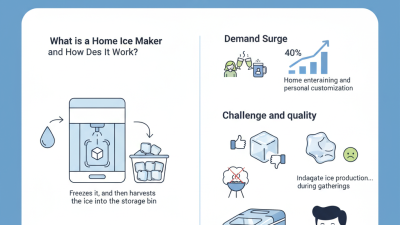
Buying an ice maker for global use requires more than comparing production capacity and purchase price. Buyers must examine water quality, voltage, climate, sanitation access, shipping conditions, and local service support. A machine that performs well in a cool showroom may struggle in a hot coastal kitchen.
Industry consultant John P. Ryan puts it plainly: “The cheapest machine is rarely the cheapest machine to own.” That principle guides this practical buying guide. Each recommendation connects technical specifications with daily operating realities, from cloudy cubes caused by hard water to melting ice during delayed deliveries. Small details matter.
Capacity is only one part of the decision. Consider recovery speed, bin insulation, compressor efficiency, drainage design, noise, and replacement-part availability. Ask who will clean the condenser. Ask how quickly a technician can arrive. These questions are less exciting, but they often protect long-term value.
Global buyers should also question product descriptions. “Energy efficient” can mean different things across markets. Rated output may change with water temperature and ambient heat. Some assumptions fail.
This guide, “10 Ice Maker Buying Tips: What Should Global Buyers Know?”, offers a clear framework for evaluating suppliers and equipment. It does not promise a perfect choice. Real facilities face unexpected water pressure, unstable power, and changing demand. Careful buyers leave room for those problems. Their goal is not merely to purchase an ice maker, but to secure dependable ice production, manageable maintenance, and reliable performance across real working conditions.
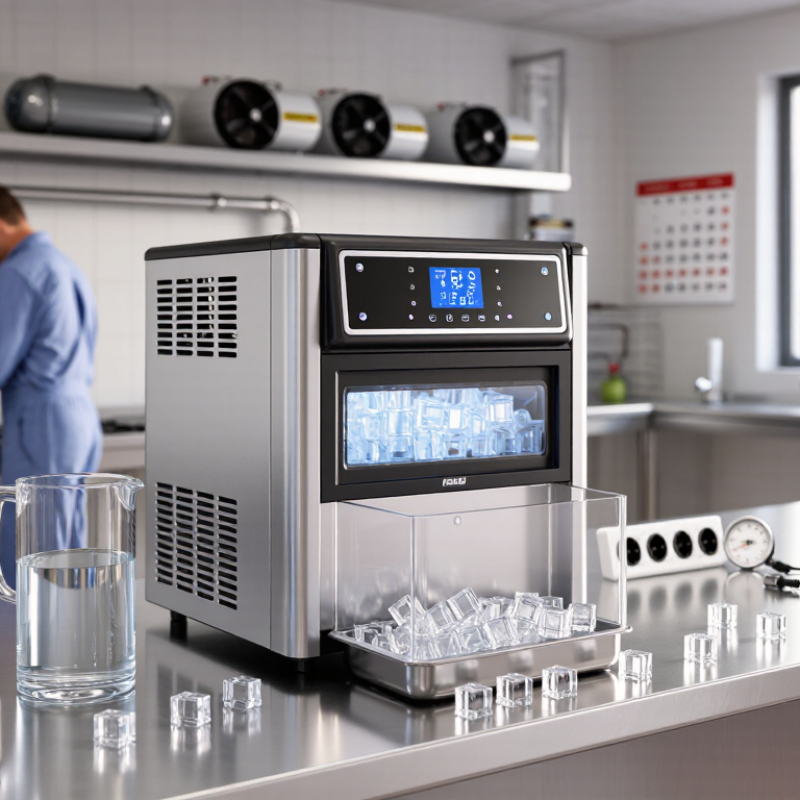
Before choosing an ice maker, define how much ice your operation truly uses. Estimate normal daily consumption, then measure the busiest service period. A café may need small batches throughout the day. A seafood counter may require dense ice for display and storage. Do not rely on monthly averages. Peak demand exposes weak planning. Record usage for at least seven operating days, including weekends and delivery delays. This check reveals whether demand is stable or seasonal.
Tip: Separate production from storage. An ice maker’s daily output is not the same as its available supply. If staff need 100 kilograms by noon, a nominal 100-kilogram rating may be insufficient. Allow time for cleaning, unloading, and recovery between cycles. It is easy to overestimate capacity on paper. Real operations are less predictable.
Application also determines the ice form, hardness, and melting speed. Drinks may need clear, slow-melting cubes. Food displays may benefit from flake or nugget ice.
Healthcare and laboratory environments require stricter hygiene controls and documented cleaning routines. Consider water quality, drainage, ventilation, room temperature, and local power requirements. Hot kitchens can reduce actual output. Poor ventilation may cause repeated shutdowns. A site inspection should confirm these conditions before purchase, even when the specification sheet looks suitable. Հ
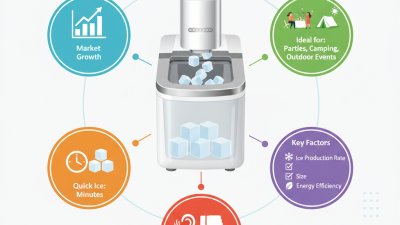
Global buyers should compare ice makers by ice form, output, storage, and operating method—not appearance alone. Cube machines produce clear, slow-melting pieces for drinks, while flake ice suits seafood displays and food handling. Nugget ice is softer and easier to chew. The choice affects hygiene, transport, and customer experience.
Capacity needs careful reading. A unit rated at 100 kilograms per 24 hours may reach that figure only under specified water and room temperatures. AHRI Standard 810 provides a common framework for rating commercial ice-machine energy and water performance. Check production output, bin storage, recovery time, and peak demand together.
A café serving 180 cold drinks daily may need steady production, not merely a large storage bin. Bigger is not always better.
Operating method changes installation cost.
Air-cooled models usually simplify plumbing but release heat and noise into the room. Water-cooled units can perform more consistently in hot spaces, yet they consume additional water and need suitable drainage. The U.S. Environmental Protection Agency’s ENERGY STAR commercial ice-machine criteria evaluate both energy and potable-water use, giving buyers a useful efficiency reference. The Business Research Company’s 2024 Ice Makers Global Market Report estimated the market at about 4.98 billion dollars in 2024, showing strong demand but not guaranteeing equal product quality. In practice, local water hardness, voltage, ambient temperature, and service access can matter more than headline capacity. That part is often underestimated.
Energy and water data deserve more attention than the advertised daily output. Ask for measured power consumption under a stated ambient temperature, ice type, and voltage. A machine producing ice quickly may use more electricity during hot shifts. Compare kilowatt-hours per production cycle, not only motor size. Check standby consumption, insulation quality, and the availability of energy-saving controls. Small differences become expensive across hotels, hospitals, and food facilities.
Tip: Request water-use figures for both ice production and condenser cooling. Some systems waste substantial water through continuous cooling or poor drainage. Confirm whether the unit supports a closed-loop cooling option where local conditions allow it. Review filtration needs, cleaning intervals, and wastewater requirements. A low-water figure is meaningless if frequent manual flushing is required. I would question any report without test conditions.
Tip: Workplace conditions belong in the purchasing file. Ask suppliers for recent factory audit records, worker safety procedures, protective equipment rules, and grievance channels. Reliable documentation should identify the production site and audit date. Inspectors should check heat, noise, chemical handling, emergency exits, and working hours. Paperwork can be incomplete. That is a reason to verify, not ignore the issue.
For global purchasing, confirm electrical compatibility, certification requirements, service access, and spare-part availability before signing. Ask for operating instructions in the users’ language. Observe a sample unit during cleaning and harvesting. Can one trained operator lift the bin safely? Does water collect around the floor drain? Practical details often expose costs that spreadsheets miss.
When evaluating an ice maker, treat food safety as a daily operating issue, not a brochure claim. Ice touches drinks, hands, storage bins, and sometimes open food. Choose designs with smooth, non-porous contact surfaces, sealed joints, and easily removable components. Stainless steel can resist corrosion, but material grade and weld quality still matter. Plastic parts should be suitable for food contact and free from strong odors. Ask for material declarations and test reports, not vague phrases such as “safe material.”
Certifications need careful checking. Requirements differ between countries, provinces, and end-use settings. Verify the issuing body, certificate number, covered model, voltage, and production site. Electrical safety certification may not confirm food-contact compliance or sanitation performance. This detail is often missed. Request current documents in English, plus local-language versions when required. I have seen buyers accept a familiar logo without checking its scope. That shortcut can cause customs delays and expensive replacement work.
Maintenance determines whether hygienic performance survives a busy season. Look for tool-free access, washable filters, visible drains, and clear cleaning intervals. Ask how often the water system, bin, condenser, and seals require inspection. Hard water may leave scale around spray nozzles within weeks. A cleaning schedule should specify chemicals, dilution, contact time, and rinsing steps. Keep service records with dates and photographs. Do not rely only on automatic cleaning. Convenient systems can still hide residue. Test one unit for noise, drainage, and cleaning time before placing a large order.
| No. | Buying Dimension | What to Check | Useful Data or Benchmark | Why It Matters | Buyer Action |
|---|---|---|---|---|---|
| 1 | Food-Safety Compliance | Confirm that the machine is designed for food-contact use and that water and ice pathways can be cleaned without special tools. | Look for applicable sanitation requirements such as NSF/ANSI 12 in North America or equivalent local food-equipment standards. | Ice is a food product. Poorly designed contact surfaces can increase contamination and cleaning risks. | Request current test reports, declarations of conformity, and the cleaning procedure before purchasing. |
| 2 | Internal Materials | Inspect the ice bin, evaporator, water lines, fasteners, seals, and drainage components for corrosion resistance and food suitability. | 304 stainless steel is commonly used for durable food-contact surfaces; 316 stainless steel offers higher resistance to chlorides but may cost more. | Material quality affects hygiene, service life, corrosion resistance, and the taste and appearance of ice. | Obtain a material specification sheet and verify whether each material is food-contact approved in the target market. |
| 3 | Certifications and Market Access | Check electrical safety, electromagnetic compatibility, energy, refrigerant, and sanitation requirements for the destination country. | Typical documentation may include CE-related conformity documentation for applicable EU requirements, UKCA where applicable, UL/ETL-type safety certification, or local equivalents. | Certification requirements vary by country and may affect customs clearance, installation, insurance, and commercial operation. | Use the destination country’s official requirements and confirm that certificates match the exact model and voltage. |
| 4 | Production Capacity | Compare rated ice output with the actual demand pattern, ambient temperature, incoming-water temperature, and operating schedule. | Commercial units are often rated in kilograms or pounds per 24 hours; actual output normally falls when ambient or water temperature rises. | Purchasing only by the headline capacity can lead to shortages during peak periods or unnecessary energy and equipment costs. | Calculate peak demand, then select capacity with a reasonable reserve rather than relying only on average daily use. |
| 5 | Ice Type and Size | Choose between cube, nugget, flake, or other formats according to beverage service, food display, storage, and melting requirements. | Cube ice generally melts more slowly than smaller or thinner ice, while flake ice is useful for display and rapid chilling. | Ice shape affects cooling performance, customer experience, storage density, noise, and water use. | Test the ice with the intended cups, dispensers, food displays, and storage containers before final approval. |
| 6 | Water Quality and Filtration | Review hardness, sediment, chlorine, total dissolved solids, and local water pressure before installation. | Hard water can cause scale on water circuits and reduce efficiency; filtration requirements depend on local water analysis and the machine design. | Water quality influences taste, ice clarity, production consistency, maintenance frequency, and component life. | Obtain a local water report and specify an appropriate filter, regulator, shut-off valve, and backflow protection where required. |
| 7 | Energy, Water, and Refrigerant | Compare electricity consumption, water consumption, heat rejection, standby behavior, and refrigerant type. | Performance should be compared under the same test conditions; refrigerant requirements and permissible refrigerants depend on the destination market and equipment category. | Utilities are a continuing operating cost, while refrigerant rules can affect import eligibility and future servicing. | Request standardized test data, electrical load details, refrigerant charge information, and installation ventilation requirements. |
| 8 | Installation and Operating Conditions | Verify voltage, frequency, phase, plug type, water inlet size, drain arrangement, clearance, ventilation, and ambient-temperature limits. | Many commercial machines require a dedicated electrical circuit and a continuously available drain; exact requirements are model-specific. | Incorrect utilities or insufficient airflow can cause poor production, overheating, leaks, nuisance tripping, or premature failure. | Have a qualified installer check the site layout and electrical and plumbing conditions before shipment. |
| 9 | Cleaning and Maintenance | Assess access to the water system, ice bin, air filter, condenser, spray components, sensors, and drain lines. | Cleaning frequency depends on water quality, usage, local regulations, and the manufacturer’s instructions; high-use installations generally require more frequent inspection. | Regular cleaning helps control scale, biofilm, odors, and reduced production while supporting safe ice handling. | Request a written sanitation schedule, approved chemical list, spare-parts list, and estimated service time. |
| 10 | Warranty and Lifecycle Support | Review warranty coverage, response time, technician availability, spare-parts supply, manuals, and end-of-life support. | A useful comparison includes coverage for the refrigeration system, electrical controls, water components, labor, and transport; terms vary by supplier and region. | Downtime can interrupt food service, so service capability may be more important than the initial purchase price. | Obtain written warranty terms and confirm local service contacts, critical spare-part lead times, and total cost of ownership. |
Note: Performance ratings, certification requirements, water conditions, and maintenance intervals vary by model and country. Always verify the latest technical documentation and local regulations before purchase or installation.
Supplier reliability should be measured with evidence, not polished catalogs. Ask for 12-month records covering on-time delivery, defect rates, spare-parts availability, and warranty claims. Request factory audit reports, product test results, and customer references from similar climates. A video tour is useful, but it cannot replace an independent inspection. No scorecard is perfect.
Total cost includes more than the invoice. Calculate purchase price, freight, import duties, installation, water treatment, electricity, cleaning, filters, repairs, and disposal. The U.S. Environmental Protection Agency reports that efficient commercial ice machines can use at least 10% less energy and 20% less water than standard models. Those percentages matter in hotels, restaurants, and seafood facilities operating continuously. Still, projected savings may fail when local water quality is poor. Leave room for that risk.
After-sales support deserves contractual detail. Confirm response times, technician coverage, remote troubleshooting, spare-parts stock, and warranty exclusions. Ask whether common components can arrive within days, not weeks. The IEA’s Energy Efficiency 2023 report emphasizes lifecycle efficiency, yet efficiency does not repair a machine during peak season. A low-price supplier may become expensive after one breakdown. I would test support before purchase with difficult technical questions. Slow answers reveal more than sales promises.
Suggested procurement priority by category for evaluating supplier reliability, total cost, and after-sales support.
Use these priority scores as a practical screening framework: verify production capacity, certifications, spare-parts availability, energy consumption, shipping terms, warranty coverage, installation support, maintenance requirements, response time, and total five-year ownership cost before placing an order.
Stay in touch with the latest National Luna Products and News!