Choosing the right Microbiology Cabinet in 2026 requires more than comparing prices, dimensions, or stainless-steel finishes. Global buyers must match cabinet design with biological risk, workflow, room pressure, operator habits, and maintenance capacity. Class I cabinets may suit basic personnel protection. Class II A2 models often support routine microbiology and sample handling. Class II B2 systems demand stronger exhaust planning. Class III cabinets provide the highest containment, but they require specialized installation and disciplined operation.
James Reason, the respected safety scientist, wrote, “We cannot change the human condition, but we can change the conditions under which people work.” His principle remains practical for cabinet selection. A clear front sash, stable airflow, visible alarms, and accessible service panels can reduce everyday mistakes. A cabinet that looks impressive may still perform poorly if filters are difficult to replace or certification support is unavailable locally.
This guide compares the leading Microbiology Cabinet types for international laboratories, hospitals, universities, and biotechnology facilities. It considers containment, ergonomics, energy use, certification, and long-term operating costs. Buyers should examine real details, such as noise near a microscope, airflow recovery after sash movement, and the space needed behind exhaust connections. Not every laboratory needs the most advanced cabinet. Sometimes, a simpler model is safer.
The selection process is not perfectly predictable. Staff training may be underestimated. Local service quality may change the decision. This article therefore highlights practical trade-offs, including the uncomfortable ones, so purchasing teams can make a defensible choice rather than follow a fashionable specification.
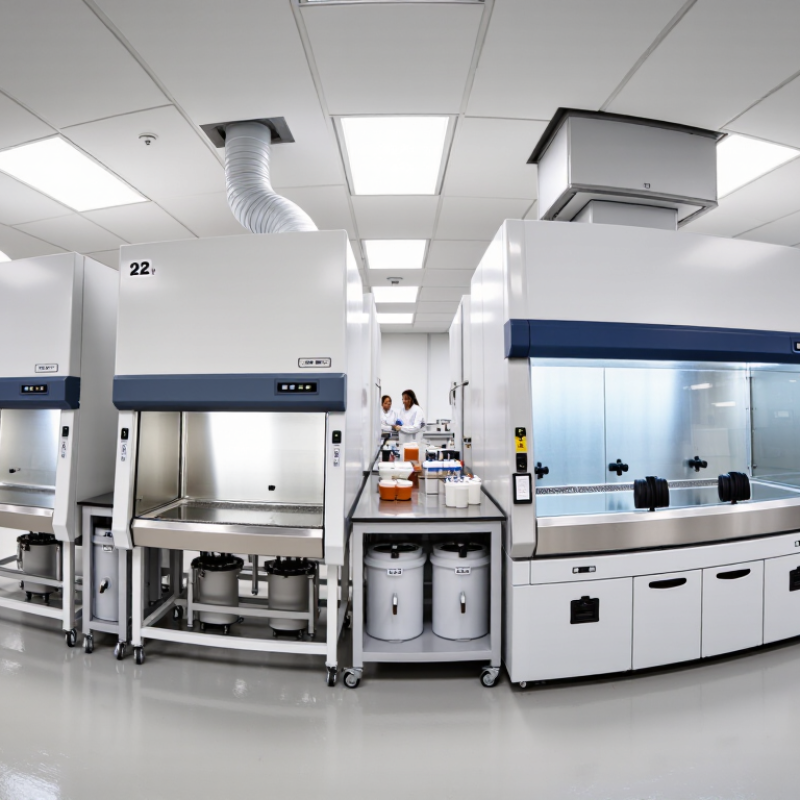
A microbiology cabinet is a controlled workspace for handling biological samples safely. It manages airflow, contamination, and exposure risks during routine laboratory work. In practice, the cabinet matters because one open sash or unstable airflow can affect an entire workday.
The common choices include Class I, Class II, and Class III biological safety cabinets.
Class I protects personnel and the room, but it does not fully protect the sample.
Class II models protect the operator, product, and surrounding environment through filtered inward airflow.
Class III systems provide a sealed working area for higher containment needs.
A clean bench is different. It protects the sample, not the user. A chemical fume hood also serves another purpose and should not replace biological containment.
Global buyers should examine certification, airflow validation, filter testing, noise, lighting, and service access. Local regulations and laboratory risk assessments should guide the final selection. HEPA filtration captures particles, but it does not remove every chemical vapor. That detail is often overlooked.
Real laboratory experience shows that cabinet performance depends on installation and daily use. Nearby doors, crowded benches, and overdue maintenance can disturb airflow. Even a well-designed cabinet can fail operationally.
That is uncomfortable, but important. Buyers should request test records, training support, spare-part availability, and clear maintenance procedures before purchase. The best cabinet is not always the most advanced one. It is the one that matches the hazard, workflow, facility, and staff capability.
Microbiology cabinets differ mainly in airflow, protection, and intended work. A clean bench uses filtered air to protect samples, but it does not protect the operator from biological aerosols. It suits sterile handling of non-hazardous materials. A Class I biological safety cabinet draws room air inward and protects personnel and the environment. However, the open front can expose sensitive cultures to contamination.
A Class II cabinet is more versatile. Its vertical, filtered airflow protects the operator, workspace, and surrounding room. Different Class II configurations vary in airflow balance, sash design, and exhaust connection. Some recirculate filtered air, while others require external exhaust for specific chemicals or procedures. Class III cabinets provide the highest physical containment through a sealed enclosure and glove ports. They offer strong protection, but their cost, maintenance demands, and slower hand access can be significant. In real laboratory evaluations, the “best” cabinet is not always the most advanced model. That assumption deserves review.
Tips: Define the hazards, sample sensitivity, room layout, and service capacity before buying. Check airflow certification, HEPA filter testing, noise levels, and emergency procedures. Confirm that the cabinet matches current local requirements and the laboratory’s actual workflow. A cabinet may look impressive, yet poor operator habits can still undermine protection. Leave enough clearance for service access. Measure the doorway, too.
| Cabinet Type | Personnel Protection | Product Protection | Environmental Protection | Airflow and Filtration | Typical Applications | Exhaust Requirement | Main Limitations | Typical Buyer Profile |
|---|---|---|---|---|---|---|---|---|
| Class I Microbiological Safety Cabinet | Yes, through inward airflow that helps prevent aerosols from escaping toward the operator. | No. Room air enters the work zone, so samples are not protected from contamination. | Yes, when the exhaust air passes through a properly installed HEPA filter. | Air is drawn inward across the front opening and exhausted through HEPA filtration. Typical minimum inflow is about 0.38 m/s (75 fpm) under common North American specifications. | Work involving potentially hazardous aerosols where product sterility is not required; certain powder, waste, or equipment-handling tasks. | Usually ducted or canopy-connected exhaust, depending on the design and local requirements. | Does not protect cultures, sterile materials, or open samples from room-air contamination. | Facilities prioritizing operator and environmental protection for non-sterile procedures. |
| Class II Type A1 | Yes, through inward airflow and HEPA-filtered downflow. | Yes, because the vertical downflow is HEPA filtered. | Yes, when the cabinet is correctly exhausted and operated. | Part of the HEPA-filtered air is recirculated inside the cabinet; the remainder is exhausted. Typical inflow is approximately 0.38 m/s (75 fpm) in older North American specifications. | Routine microbiology, cell culture, and low-to-moderate-risk biological work without volatile toxic chemicals or radionuclides. | Recirculating or canopy-connected exhaust may be used, subject to certification and chemical compatibility. | Not suitable for significant quantities of volatile toxic chemicals or radionuclides because contaminated air can recirculate. | Laboratories seeking a basic Class II solution for biological procedures without hazardous chemical vapors. |
| Class II Type A2 | Yes, through inward airflow and HEPA-filtered vertical downflow. | Yes, for properly conducted sterile work. | Yes, through HEPA-filtered exhaust. | Approximately 70% of the air is typically recirculated through the supply HEPA filter and approximately 30% is exhausted through the exhaust HEPA filter. Typical inflow is about 0.51 m/s (100 fpm) under NSF/ANSI-style requirements. | General microbiology, clinical laboratory work, cell culture, molecular biology, and many routine biosafety procedures. | Can be room-exhausted or canopy-connected; hard-duct connection requires appropriate airflow controls and certification. | Not designed for procedures that generate substantial volatile toxic chemical or radionuclide vapors. | The most versatile choice for many research, healthcare, teaching, and quality-control laboratories. |
| Class II Type B1 | Yes, through inward airflow and HEPA-filtered downflow. | Yes, when materials are handled correctly within the protected work zone. | Yes, with dedicated exhaust and HEPA filtration. | A portion of the airflow is recirculated, while the contaminated rear portion is exhausted directly through dedicated ductwork. Typical inflow is approximately 0.51 m/s (100 fpm) in common specifications. | Selected microbiological procedures involving limited amounts of volatile toxic chemicals used in conjunction with biological materials. | Requires hard-ducted exhaust to a suitable external system; facility airflow must remain stable. | More complex and costly to install; chemical work must remain within the designated exhaust zone and follow the certification requirements. | Specialized laboratories with defined biological and limited chemical-use requirements. |
| Class II Type B2 | Yes, through inward airflow and HEPA-filtered downflow. | Yes, for suitable microbiological procedures. | Yes, because all cabinet air is exhausted after filtration. | No air is recirculated within the cabinet; supply air is HEPA filtered and the total airflow is exhausted through a dedicated system. Typical inflow is about 0.51 m/s (100 fpm) in common specifications. | Biological work that must be combined with volatile toxic chemicals or radionuclides, where the risk assessment specifically supports this configuration. | Requires a dedicated, continuously operating hard-ducted exhaust system, often with monitoring and building interlocks. | Highest installation cost among common Class II cabinets; failure of the exhaust system requires immediate work stoppage. | Highly specialized facilities with engineered exhaust capacity and validated chemical-use protocols. |
| Class III Cabinet | Highest level of operator protection because work is performed through attached, leak-tight gloves. | Yes, within a controlled, enclosed system; procedures and transfers must be carefully managed. | Yes, through a gas-tight enclosure and HEPA-filtered exhaust, often with additional filtration or treatment. | The cabinet operates as a sealed enclosure under negative pressure. Supply air is HEPA filtered and exhaust air is HEPA filtered before discharge. | High-containment microbiology, highly infectious agents, maximum-containment research, and procedures requiring isolation from the room. | Dedicated exhaust system required; facility design normally includes pressure monitoring, emergency planning, and validated transfer systems. | High capital and operating cost, restricted user access, slower material handling, and more demanding maintenance. | Maximum-containment laboratories and facilities handling the highest-risk biological materials. |
| PCR Workstation / Clean Bench | Generally no reliable personnel protection from hazardous biological aerosols. | Yes, for contamination-sensitive, non-hazardous setup work when properly operated. | Usually limited or not intended for hazardous aerosol containment. | Typically uses HEPA-filtered positive airflow across the work area; airflow direction is designed for product protection, not containment. | PCR reagent preparation, DNA/RNA setup, and other clean procedures involving non-infectious materials. | Usually room exhaust is not required, but local regulations and the specific equipment design apply. | Must not replace a certified biosafety cabinet when infectious or aerosol-generating materials are handled. | Molecular biology laboratories prioritizing contamination control rather than biological containment. |
Choosing the best microbiology cabinet in 2026 depends on the work, not the catalogue label. Global buyers should compare whether the cabinet protects personnel, samples, the environment, or all three. Class I units mainly protect operators and surroundings, while Class II models also provide product protection through controlled vertical airflow. Class III cabinets offer the highest containment, but they require specialized procedures and higher operating costs.
Airflow performance deserves close attention. Compare inflow velocity, airflow stability, HEPA filtration efficiency, and alarm response time. Ask for independent testing records, not only marketing figures. Certification against recognized standards, such as EN 12469 or NSF/ANSI 49, can support purchasing confidence. However, certification does not replace site-specific risk assessment. It is easy to overlook that detail.
Daily usability also affects safety. Check the working height, viewing angle, sash movement, interior lighting, noise level, and cleaning access. A smooth stainless-steel work surface is practical when spills must be removed quickly. Energy consumption matters in facilities operating continuously. Compare standby settings, fan control, filter replacement intervals, and local service availability. Confirm voltage, plug type, calibration support, and spare-part access before ordering. No checklist is perfect. A quiet cabinet may still feel uncomfortable after eight hours, and a low purchase price may hide difficult maintenance. Ask laboratory users to test the controls with gloved hands. Their criticism is often more useful than a polished specification sheet.
2026 Best Microbiology Cabinet Types for Global Buyers?
Selecting a microbiology cabinet is not only a technical decision. It is a compliance decision shaped by regional safety rules. Class I cabinets protect personnel and the room, while Class II models also protect work materials. Class III systems provide higher containment through a sealed enclosure.
Standards differ across markets. Some regions reference NSF/ANSI 49, while others use EN 12469 or national certification schemes. These standards may assess airflow, filtration, leakage, noise, and operator protection differently. Check the destination country before ordering. A cabinet certified for one market may still require local testing, electrical changes, or professional installation.
Practical checks matter. Ask for factory test records, filter specifications, airflow alarms, and service procedures. Confirm the power supply, plug type, room size, exhaust requirements, and annual certification rules. A Class II cabinet with a front opening needs stable inward airflow; nearby doors can disturb it. We have seen specifications look excellent on paper, yet installation conditions weakened performance. That is an uncomfortable but important lesson. Regional authorities may also require trained technicians and documented maintenance. Do not select the most advanced cabinet automatically. Match containment, workflow, local approval, and available service support to the actual laboratory risk. Tiny details can decide safety.
For 2026, choosing the best microbiology cabinet begins with the work, not the catalogue. Buyers should identify organisms, procedures, aerosol risks, sample volumes, and operator exposure. A clean bench protects samples but does not protect personnel. A Class II biological safety cabinet can provide personnel, product, and environmental protection when correctly selected and operated. Risk assessment should involve a qualified biosafety professional, not only a sales specification. Small details matter. Will plates, pipettes, waste containers, and an active user fit without blocking airflow? A crowded work zone creates a quiet hazard.
Compare cabinet types against the laboratory’s actual workflow. Class I units may suit procedures requiring personnel and environmental protection, but they do not protect products from room air. Class II configurations differ in airflow, access, noise, and installation needs. Buyers should verify certification requirements, filter performance, alarms, electrical compatibility, and service availability. Ask for field testing after installation and at defined intervals. Documentation should identify test methods, acceptance limits, and responsible technicians. Marketing language is not evidence. Get records.
Ergonomics deserves equal attention. A low front opening, harsh lighting, or noisy fan can encourage poor posture and rushed movements. Measure doorways, ceiling height, power supply, and room ventilation before ordering. Plan filter replacement, decontamination, calibration, and emergency support in the ownership budget. In practice, technically suitable cabinets can fail when users misunderstand loading patterns. Training needs repetition. No cabinet corrects careless technique. Buyers should question assumptions: a larger unit is not always safer, and a lower price may conceal costly service delays. Recheck the decision with the people using the cabinet daily.
Stay in touch with the latest National Luna Products and News!