Choosing the right Shot Blasting Supplies in 2026 requires more than comparing prices. It demands practical knowledge of surface preparation, equipment compatibility, workplace safety, and long-term operating costs. A reliable setup may include abrasive media, blast nozzles, air hoses, pressure regulators, recovery systems, dust collectors, and protective equipment. Each part affects the finish, productivity, and safety of the entire process.
Small details matter. A worn nozzle can increase air consumption and reduce blasting control. Damp abrasive may clog the system. Poor dust extraction can cloud the work area within minutes. Experienced operators usually inspect these points before starting, not after performance drops. Still, no supply list fits every workshop. Steel fabrication, automotive restoration, marine maintenance, and delicate cleaning tasks require different media and pressure settings.
This guide examines the top Shot Blasting Supplies expected to matter in 2026. It focuses on dependable performance, material suitability, maintenance needs, and responsible purchasing decisions. Product claims should be checked against technical specifications, independent testing, and manufacturer guidance. Some newer tools look impressive, but their real value may remain uncertain in demanding environments. That is worth questioning.
The goal is practical clarity. You will see which supplies support consistent finishes, lower waste, and safer daily work. Quality equipment helps, but skilled handling remains essential. Safety comes first. Proper ventilation, eye protection, respiratory protection, and training should never be treated as optional extras.
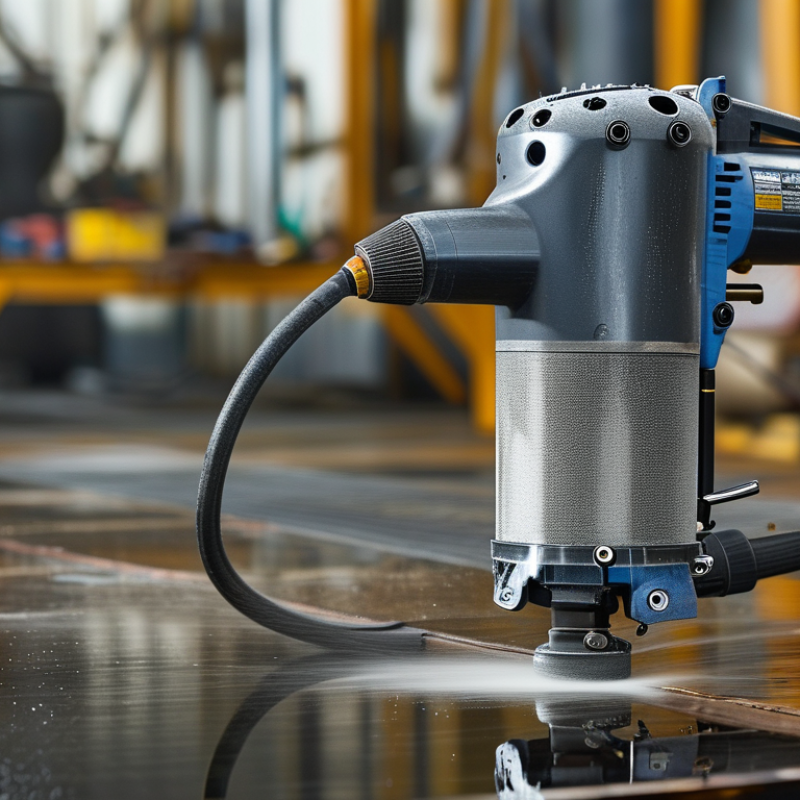
Shot blasting supplies are the materials and protective parts used in abrasive cleaning systems. They help remove rust, scale, paint, and casting residue from metal surfaces. The process uses compressed air or a rotating wheel to propel small abrasive particles. Good supplies improve surface consistency, equipment life, and operator control. The wrong media can damage delicate edges or leave an uneven finish.
Core components include steel shot, grit, glass beads, and mineral abrasives. Each option creates a different surface profile. Round shot peens and cleans metal with less aggressive cutting. Angular grit cuts harder contamination and produces a rougher anchor pattern. Beads create a smoother appearance. Particle size matters too. Fine media reaches narrow areas, while coarse media removes stubborn buildup faster.
A complete setup also needs blast nozzles, hoses, seals, gloves, face protection, and dust-filtering equipment. Inspecting these parts is practical, not optional. A worn nozzle can increase air use and change the blast pattern. Torn gloves may expose skin to rebound particles. In workshop testing, I found that clean, dry media gave more predictable results. Moisture caused clumping and uneven flow. That lesson sounds obvious, yet it is easy to miss during busy production. Record pressure, media condition, and surface results for each job. Small records often reveal problems before visible damage appears. Controls still need review.
| Supply Category | Core Component or Material | Primary Purpose | Typical Specifications or Options | Best-Fit Applications | Key Selection Considerations | Essential Maintenance and Safety Notes |
|---|---|---|---|---|---|---|
| Abrasive Media | Steel shot, steel grit, aluminum oxide, glass bead, or mineral abrasive | Removes rust, scale, paint, burrs, and surface contamination while creating a controlled surface profile. | Round media for peening and polishing; angular media for aggressive cutting; common particle sizes range from fine to coarse grades. | Automotive parts, fabricated steel, castings, weldments, maintenance repairs, and surface preparation before coating. | Match hardness, shape, size, cleanliness, and recyclability to the substrate and required surface profile. | Keep media dry and screened. Remove broken particles and contamination to maintain consistent performance and reduce dust. |
| Blast Machine or Pressure Vessel | Pressurized abrasive pot, metering valve, remote-control system, and deadman control | Stores abrasive and delivers it at a controlled rate into the compressed-air stream. | Capacity is commonly selected by work duration and mobility; operating pressure must remain within the vessel rating. | Outdoor work, structural steel, ship maintenance, large fabrications, and areas that cannot accommodate a cabinet. | Check vessel certification, abrasive compatibility, metering accuracy, control response, and ease of filling and emptying. | Inspect the vessel, valves, gaskets, and remote-control system before use. Never bypass the deadman control or exceed rated pressure. |
| Blast Cabinet | Enclosed cabinet, viewing window, gloves, work grate, hopper, and recovery system | Contains abrasive and dust while allowing controlled blasting of small and medium-sized workpieces. | Manual or automated designs; cabinet size depends on part dimensions; commonly fitted with a cyclone or cartridge dust collector. | Small components, repair shops, laboratories, maintenance departments, and repeatable batch work. | Consider internal dimensions, visibility, glove ergonomics, loading access, media recovery, and dust-removal capacity. | Replace worn gloves and window liners. Keep the cabinet sealed and verify that the ventilation system maintains effective negative pressure. |
| Blast Nozzle | Tungsten carbide, silicon carbide, ceramic, or other wear-resistant nozzle liner | Accelerates and directs abrasive toward the work surface. | Straight-bore nozzles support concentrated cleaning; venturi-style nozzles improve productivity; orifice size affects air and abrasive demand. | General cleaning, coating removal, profile creation, detail work, and high-production surface preparation. | Select the liner for abrasive type, required productivity, air supply, stand-off distance, and acceptable wear rate. | Measure the orifice regularly. Replace a nozzle when wear increases air consumption or produces an uneven blast pattern. |
| Compressed-Air System | Compressor, receiver tank, air regulator, separator, and distribution piping | Provides the airflow and pressure needed to propel abrasive consistently. | Required capacity depends on nozzle diameter and operating pressure; clean, dry air is essential for reliable blasting. | All pneumatic blasting systems, from portable pressure pots to fixed blast cabinets. | Size the compressor for continuous airflow demand rather than only peak pressure. Allow reserve capacity for hose and filter losses. | Drain moisture from receivers and filters. Inspect hoses, couplings, and pressure gauges for leaks or damage before operation. |
| Air Treatment and Moisture Control | Aftercooler, moisture separator, coalescing filter, and air dryer | Reduces water and oil contamination that can clog abrasive, damage coatings, or create an inconsistent finish. | Systems may combine separators, refrigerated dryers, desiccant dryers, and in-line filters according to air-quality needs. | Coating preparation, dry abrasive blasting, cabinet systems, and operations in humid environments. | Choose filtration based on compressor output, ambient humidity, required dew point, and coating specifications. | Drain separators, replace filter elements, and monitor pressure drop. Wet abrasive should be removed rather than forced through the system. |
| Blast Hose and Couplings | Abrasion-resistant blast hose, nozzle holder, couplings, gaskets, and safety cables | Transfers the abrasive-air mixture from the machine to the nozzle with minimal pressure loss. | Blast hoses are typically thicker and more abrasion-resistant than ordinary air hoses; internal diameter should suit the nozzle. | Portable blasting, fixed blast rooms, construction sites, and industrial maintenance. | Consider hose length, internal diameter, bend radius, static dissipation, coupling compatibility, and expected abrasive wear. | Inspect for soft spots, cuts, bulges, and exposed reinforcement. Secure couplings and use whip checks where required. |
| Dust Collection System | Cartridge or bag filter, fan, ducting, pre-separator, and collection bin | Captures airborne dust, improves visibility, protects nearby workers, and helps maintain cabinet or room airflow. | Capacity is selected according to enclosure volume, leakage, abrasive type, and required air changes. | Blast cabinets, blast rooms, enclosed production lines, and indoor surface-preparation areas. | Evaluate airflow, filter area, pressure drop, automatic cleaning, dust classification, and discharge method. | Do not operate with blocked filters or inadequate airflow. Empty collection bins safely and follow applicable exposure-control requirements. |
| Abrasive Recovery and Recycling Equipment | Floor recovery system, screw conveyor, pneumatic recovery, cyclone separator, and screening unit | Collects reusable abrasive, removes fines and debris, and reduces material consumption. | Gravity, mechanical, and pneumatic systems are available; screening separates usable media from dust and oversized debris. | High-volume blast rooms, automated facilities, steel fabrication, and repetitive production work. | Match the system to media density, floor layout, throughput, contamination level, and maintenance resources. | Inspect conveyors, screens, seals, and transfer points. Remove tramp metal and spent abrasive before it damages equipment. |
| Personal Protective Equipment | Supplied-air blast helmet, protective suit, gloves, hearing protection, safety footwear, and eye protection | Protects operators from abrasive impact, dust inhalation, excessive noise, and ricochet hazards. | Use equipment rated for abrasive blasting; supplied-air respirators require compatible breathing-air quality and airflow. | Every abrasive-blasting operation, including cabinet, pressure-pot, and blast-room work. | Confirm fit, coverage, impact resistance, breathing-air requirements, heat management, and compatibility with other PPE. | Inspect before each use, clean after use, and replace damaged components. Respiratory protection requires a documented program and proper fit testing where applicable. |
| Surface Profile and Cleanliness Tools | Profile comparator, digital gauge, replica tape, surface-cleanliness test kit, and inspection light | Verifies that blasting has achieved the specified cleanliness and surface profile before coating. | Tools may measure surface roughness, dust, soluble salts, ambient conditions, and coating adhesion readiness. | Protective coatings, bridges, tanks, machinery, pipelines, and quality-controlled fabrication. | Select instruments according to the governing project specification and the required measurement range. | Calibrate or verify instruments regularly. Record measurements by location, abrasive condition, and blasting stage. |
| Workholding and Masking Supplies | Hooks, racks, turntables, plugs, caps, rubber masking, and magnetic or mechanical fixtures | Positions parts for uniform coverage and protects threads, machined surfaces, seals, and openings. | Reusable or disposable designs; heat- and abrasion-resistant masking is preferred for demanding applications. | Complex castings, threaded components, precision-machined parts, and batch production. | Choose fixtures that allow line-of-sight access, minimize shadowing, and withstand abrasive impact without contaminating the part. | Remove loose masking fragments and inspect protected areas after blasting. Clean fixtures to prevent transferred contamination. |