What Is the Best Fridge Freezer NZ Buyers Prefer?

Choosing the best fridge freezer NZ buyers prefer is not simply about selecting the largest appliance. A spacious model may look impressive, yet waste valuable kitchen space and increase electricity use. In a real New Zealand home, the right choice depends on household size, cooking habits, available room, and energy costs.

Measure carefully. Include door clearance, ventilation space, and the path through your entrance. A 500-litre refrigerator is useless if it cannot pass the hallway. Check the New Zealand Energy Rating Label and compare estimated annual consumption, not only the purchase price. Inverter compressors, frost-free cooling, adjustable shelves, and separate temperature controls can improve daily convenience. Still, extra features may add cost without solving a genuine household need.

Small details matter.

This guide examines the features that influence fridge freezer nz buying decisions, including capacity, layout, noise, reliability, warranty support, and long-term running costs. French-door, bottom-mount, top-mount, and side-by-side designs each suit different kitchens. A family may value wide shelves and a large freezer. A couple might prefer easier access and lower energy use. Local service availability also deserves attention, because a reliable appliance is more than a polished display model.

No recommendation fits everyone. That is worth admitting. Product specifications can change, and customer experiences may vary between retailers and regions. By comparing practical measurements, verified energy information, warranty terms, and everyday usability, New Zealand buyers can make a more confident decision without chasing unnecessary features.
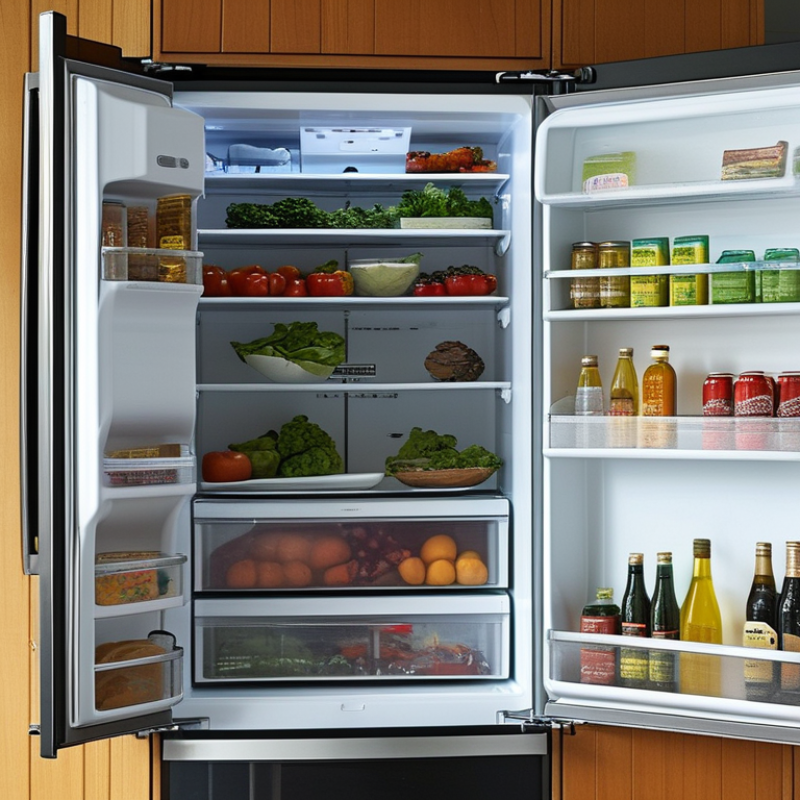
What Is the Best Fridge Freezer NZ Buyers Prefer?

Understanding Fridge Freezer Types Available in New Zealand

What Is the Best Fridge Freezer NZ Buyers Prefer?

Understanding Fridge Freezer Types Available in New Zealand

New Zealand homes use several practical fridge freezer designs. Top-mount models place the freezer above the refrigerator. They are often affordable and suit smaller kitchens. Bottom-mount models keep fresh food at eye level. This helps households that open the fridge more often than the freezer. Single-door units can work well in compact flats, but freezer space may feel limited.

Side-by-side models offer organised storage and easy access. However, their narrow compartments may not hold wide trays or large pizza boxes. French-door models provide broad refrigerator shelves, with a freezer drawer underneath. They suit busy families, though the drawer can become untidy. I have found that layout matters more than appearance. A stylish design can still waste space if your usual containers do not fit.

Tips: Measure the doorway, kitchen gap, and ventilation space first. Check usable litres, not only external size. Look for a strong energy rating, especially if the appliance runs continuously. Consider humidity and garage temperatures too. Some freezers perform poorly in very cold or hot areas. This detail is easy to overlook. Also, test the door swing before buying. I once underestimated this space, and the nearby bench became awkward to use. Think about cleaning access, shelf height, and noise levels before choosing.
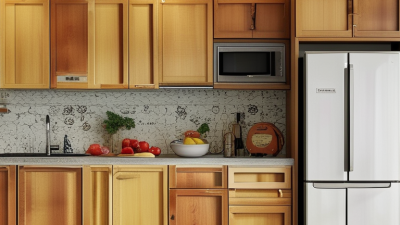

Key Features NZ Buyers Should Compare Before Choosing

Choosing the best fridge freezer in New Zealand starts with your kitchen, not a sales label.
Measure height, width, depth, and door clearance carefully. A small gap around the appliance can improve ventilation and reduce installation problems.

Energy efficiency deserves close attention. Check the official energy rating and estimated annual electricity use. These figures matter during long summers and rising household bills. Frost-free storage saves scraping time, although it may dry uncovered food faster.

Adjustable shelves, strong door bins, and a separate vegetable drawer help with everyday groceries. Keep frequently used items between eye and waist level.

Capacity should match your habits. A family buying bulk meat needs different storage from a couple shopping every few days. Flexible freezer drawers are useful, but they can waste space when poorly organised.

One detail is easy to miss: listen for operating noise in an open-plan kitchen. Also inspect the door seal, hinge movement, temperature controls, and internal lighting.

Water connections can be convenient, yet they add installation requirements and possible maintenance points. Check warranty terms and local service support before buying.

It sounds practical, but many buyers skip it. I would also question impressive smart features; a reliable temperature and a simple alarm may matter more.

Allow some room for imperfect habits, because overloaded shelves can block airflow and create uneven cooling.

How Energy Efficiency Affects Running Costs and Sustainability

What Is the Best Fridge Freezer NZ Buyers Prefer?

For New Zealand households, the best fridge freezer is not always the largest model. Energy efficiency can shape monthly costs for years. A fridge runs day and night, including during winter holidays. Check the annual kilowatt-hour figure on the energy label before comparing prices. Multiply that figure by your electricity rate to estimate yearly running costs. This simple calculation is more useful than judging efficiency by the star rating alone.

Look for well-sealed doors, adjustable storage, and a freezer size that matches your household. An empty, oversized freezer still consumes energy. Place the appliance away from ovens and direct afternoon sunlight. Leave space around its vents, as trapped heat can increase electricity use. In my experience, keeping the temperature steady works better than frequent, dramatic adjustments. However, energy labels are not perfect. Real costs change with room temperature, door opening, food loads, and individual electricity plans.

Tips: Set the refrigerator near 3–5°C and the freezer near -18°C. Test the door seal with a sheet of paper. If it slides out easily, inspect the gasket. Defrost manual-freezer models when ice thickens. Choose repairable parts where possible, because sustainability includes the appliance’s full life, not only its power consumption. Recycling also matters. A highly efficient fridge is less responsible if it is replaced too quickly.

Recommended Fridge Freezer Sizes for Different New Zealand Homes

What Is the Best Fridge Freezer NZ Buyers Prefer?

Recommended Fridge Freezer Sizes for Different New Zealand Homes

Choosing the right fridge freezer starts with your home, not the appliance display. A compact 250–350-litre model often suits singles, couples, and small apartments. It fits limited kitchens and reduces unused space. Families with two or three children usually need 400–550 litres. This allows room for school lunches, fresh produce, and weekend groceries. Larger households or lifestyle-block homes may prefer 550 litres or more. Bulk meat, frozen vegetables, and preserving jars quickly fill smaller compartments.

Measure carefully. Check the kitchen cavity, doorway, hallway, and opening direction. Many New Zealand homes have narrow entrances or older cabinetry. A fridge can fit the cavity but fail at the front door. I have seen buyers measure width and forget depth. That mistake can leave doors blocking a walkway. Also compare usable storage, not just advertised capacity. Thick shelves and large ice compartments reduce practical space. Energy efficiency matters too, especially when the appliance runs continuously.

Tips: Leave ventilation space around the cabinet, following the installation guide. Choose adjustable shelves for tall bottles and reusable containers. For apartments, check lift access and delivery restrictions before paying. A bottom freezer may suit frequent fresh-food users, while a top freezer can offer simpler access and lower purchase costs. Think about your routine. The biggest model is not always the best fit.

What Is the Best Fridge Freezer NZ Buyers Prefer?

Recommended fridge-freezer capacities vary by household size and available kitchen space. This planning guide shows practical total-capacity ranges commonly suited to different New Zealand homes.

Smaller apartments and flats generally suit compact models around 200–300 litres, while larger households may need 500 litres or more. Always check cabinet width, depth, ventilation clearance and door-opening space before buying.

Essential Buying and Maintenance Considerations in New Zealand

What Is the Best Fridge Freezer NZ Buyers Prefer?

Essential Buying and Maintenance Considerations in New Zealand

Choosing the best fridge freezer in New Zealand starts with your kitchen, not a glossy feature list. Measure width, depth, height, and door clearance before visiting a store. Allow space around vents, especially in warm, enclosed kitchens. A sunny room can make the compressor work harder. Check the energy rating and compare annual electricity use, not only purchase price. In smaller homes, flexible shelves and a bottom freezer may improve daily access. Still, more capacity can encourage food waste.

For reliable storage, set the refrigerator near 3–4°C and the freezer at -18°C. Use a separate thermometer because display readings can be optimistic. Look for sturdy door seals, adjustable feet, quiet operation, and accessible service support in your region. New Zealand households should also consider delivery access, stairways, and secure installation. I once underestimated door swing space; the appliance fitted, but the nearby drawer barely opened. That mistake was avoidable.

Maintenance is simple, but it needs a calendar reminder. Wipe spills quickly, clean seals with mild soapy water, and keep vents unobstructed. Remove dust from external coils or ventilation areas according to the manual. Do not overload shelves, because cold air needs room to circulate. Inspect the seal with a thin sheet of paper; it should resist gentle pulling. During a power cut, keep doors closed and discard questionable food rather than guessing. I still sometimes postpone cleaning the lower seal. That is not ideal.

What Is the Best Fridge Freezer NZ Buyers Prefer? - Essential Buying and Maintenance Considerations in New Zealand

Buying or Maintenance Dimension Useful Benchmark Why It Matters Practical NZ Buyer Guidance
Capacity Allow approximately 100–150 litres of total storage per adult, depending on shopping habits. A larger cabinet can reduce overcrowding, but it may use more electricity and occupy more kitchen space. Choose capacity based on household size, fresh-food habits, entertaining, and how often you shop.
Fresh-food temperature Keep the refrigerator at or below 5°C; around 3–4°C provides a useful operating target. Cold, stable temperatures slow bacterial growth and help protect perishable food. Use an independent appliance thermometer because the displayed setting may not equal the actual shelf temperature.
Freezer temperature Set the freezer to approximately −18°C or colder. This temperature keeps food frozen and supports long-term storage quality. Check the temperature after installation, after a power interruption, and whenever frost or thawing is noticed.
Energy efficiency Compare the energy label’s annual electricity-use figure in kWh/year, not only the star rating. Annual consumption gives a more direct estimate of running cost than cabinet size or marketing claims alone. Compare models of similar capacity and multiply the annual kWh figure by your electricity rate for an estimated yearly cost.
Kitchen fit Measure width, height, depth, doorway access, hinge swing, and ventilation space before purchase. A refrigerator that fits the cavity but cannot open properly or release heat may perform poorly. Follow the installation manual for clearance requirements; allow extra room for doors, handles, power access, and uneven walls.
Door configuration Top-freezer, bottom-freezer, side-by-side, and French-door layouts provide different access and storage patterns. Frequently used fresh food is easier to reach in some layouts, while wide frozen-food storage suits others. Prioritise the arrangement that matches daily use rather than choosing by appearance alone.
Noise For open-plan kitchens, a published noise level around 35–40 dB is generally considered comparatively quiet. Compressor cycling, fans, ice-making, and automatic defrost can all create normal operating sounds. Check the product specification and allow the appliance to stand level; unusual clicking, scraping, or continuous loud operation needs inspection.
Humidity and produce storage Separate crisper compartments and adjustable humidity controls can help store fruit and vegetables appropriately. Different produce types lose moisture at different rates, affecting freshness and food waste. Avoid blocking vents, keep leafy vegetables suitably covered, and store food according to the appliance’s temperature zones.
Door seals Inspect the gasket monthly and clean it with mild soapy water when dirty. A damaged or poorly sealing gasket allows cold air to escape and can increase energy use and frost formation. Close the door on a sheet of paper; if it slides out easily around several areas, check alignment or replace the seal.
Cleaning and airflow Clean spills promptly and keep internal air vents clear; inspect external coils or ventilation openings at least twice a year where accessible. Dust, blocked vents, and spills can reduce cooling performance and create odours. Switch off and follow the manual before cleaning any accessible rear or underside components.
Defrosting Frost-free models defrost automatically; manual-defrost models require defrosting when ice buildup becomes substantial. Excessive ice reduces usable storage space and can restrict airflow. Never use knives or sharp tools to remove ice. Use the manufacturer’s defrosting procedure.
Power interruptions Keep doors closed during an outage; a full freezer generally holds temperature longer than a partly filled freezer. Every door opening releases cold air and shortens the safe storage period. After an outage, check food temperature and condition; discard perishable food that has been held above 5°C for an unsafe period.
Warranty and repairability Review warranty duration, service availability, spare-parts support, and repair terms before purchase. A lower purchase price may not represent good value if repairs are difficult or parts are unavailable. Keep the receipt, model details, and installation records, and use qualified service support for electrical or refrigeration work.
Recommended selection approach: Prioritise correct capacity, verified annual energy use, suitable kitchen dimensions, stable temperatures, reliable door sealing, and accessible servicing over appearance alone.

Stay in touch with the latest National Luna Products and News!