China Top 10 DC to DC Charger Suppliers with Solar Input
China has become a major manufacturing base for automotive, marine, and renewable-energy power equipment. This guide reviews ten notable Chinese suppliers of a dc to dc charger with solar input. These companies serve off-grid vehicles, boats, cabins, and mobile energy systems.
The comparison looks beyond marketing claims. It considers solar-input voltage, MPPT performance, charging efficiency, battery compatibility, and thermal protection. Practical details matter. A charger may accept a 12–36V solar array but deliver limited current under heat. Another model may support lithium batteries, AGM batteries, or custom charging profiles. CAN, RS485, Bluetooth, and display options can also affect installation time. Enclosure ratings, vibration resistance, and connector quality deserve equal attention.
Supplier evidence should include datasheets, test reports, warranty terms, and responsive technical support. Certifications are useful, but buyers should confirm the exact model and market requirements. Factory audits, sample testing, and clear production records can reveal differences between similar products. Field technicians often check cable size, fuse placement, airflow, and grounding before commissioning. Small oversights can reduce reliability.
This list is not an absolute ranking. Product quality may change between batches, and published specifications are not always complete. That limitation deserves attention. Buyers should request current samples and verify performance under realistic sunlight, load, and temperature conditions. The strongest supplier is not always the largest one. It is the partner that communicates clearly, documents its engineering, and supports the charger after delivery.
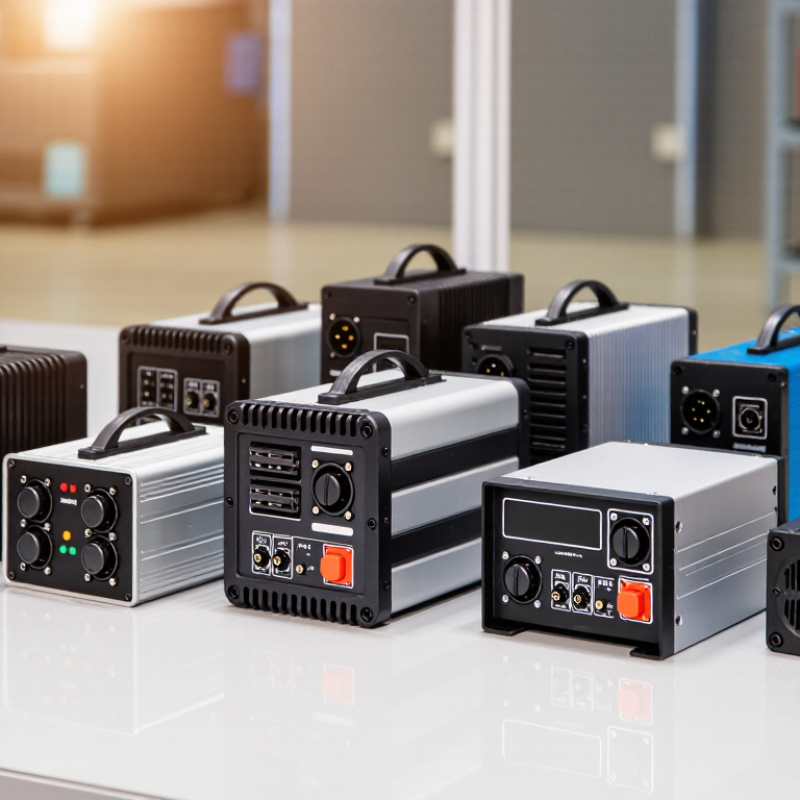
What Are DC to DC Chargers with Solar Input?
A
DC to DC charger with solar input converts variable solar power into controlled energy for a battery. Solar panels rarely provide a steady voltage. Sun angle, shade, temperature, and dust change their output throughout the day. The charger adjusts this unstable input and supplies a safer charging current. Many units use MPPT technology to capture more usable energy from the panel. Some systems also accept alternator power, allowing solar and vehicle charging to work together.
In practical installations, the charger sits between the solar panel and the auxiliary battery. It can support camping vehicles, marine systems, work trucks, and remote monitoring equipment. Correct sizing matters. A 300-watt panel may produce far less power on a cloudy afternoon. The battery chemistry also affects charging voltage and absorption settings. Lithium batteries need different controls from lead-acid batteries. Ignoring this detail can shorten battery life or create unsafe operating conditions.
Protection features should include overvoltage, overcurrent, overheating, reverse polarity, and low-voltage safeguards. Cable length and wire thickness deserve equal attention, because resistance wastes limited solar energy. The label can be misleading. A charger advertised for solar input may still require a specific panel voltage range. Check the technical sheet, not only the product description. Field installers often leave extra ventilation around the unit, although compact spaces can make this difficult. That compromise deserves another inspection.
How Solar-Input DC to DC Chargers Work
How Solar-Input DC to DC Chargers Work
A solar-input DC to DC charger converts unstable panel power into controlled battery charging power. Solar panels rarely deliver a steady voltage. Clouds, heat, shade, and changing sunlight alter their output within minutes. The charger monitors this input and adjusts its operating point for better energy collection. Many units use maximum power point tracking, or MPPT, to draw useful power without pulling the panel voltage too low.
Inside the charger, switching components rapidly regulate the current. A buck circuit reduces voltage, while a boost circuit raises it. Some designs combine both functions for wider solar compatibility. The output stage follows the battery’s charging profile, including bulk, absorption, and float stages. Temperature sensing can reduce charging stress in hot conditions. Input overvoltage, reverse polarity, short-circuit, and overtemperature protection improve system reliability. Still, efficiency is not constant. A charger may perform well on paper but lose power through heat, cable resistance, or poor ventilation.
Tips: Check the panel’s open-circuit voltage before installation. Leave enough voltage margin above the battery’s charging voltage. Use short, properly sized cables and secure connectors. A fuse near the battery adds practical protection. Do not rely only on rated wattage; inspect performance under partial shade. I would also test the system during cloudy weather, because ideal sunlight can hide design weaknesses. Temperature data is useful, but it is sometimes overlooked.
Key Criteria for Evaluating Chinese Suppliers
Choosing among China’s top 10 DC to DC charger suppliers with solar input requires more than comparing catalog prices. Start with electrical compatibility. Check the solar input voltage range, MPPT behavior, output stability, and battery charging profiles. A useful unit should perform under changing sunlight, not only in laboratory conditions. Ask for efficiency curves at low, medium, and peak loads.
Thermal design deserves close attention. Inspect heat-sink materials, ventilation paths, waterproof ratings, and protection against reverse polarity, overcurrent, and overheating. Datasheets may not show performance after hours inside a hot vehicle compartment. Request sample units and test them with your own panels, batteries, cables, and expected temperatures. Small differences can become costly failures.
Supplier reliability also depends on evidence. Review factory quality procedures, production traceability, inspection records, and relevant safety certifications. Confirm whether testing covers vibration, humidity, electromagnetic compatibility, and repeated power cycling. Clear technical communication matters when specifications change. A dependable supplier should provide firmware details, wiring guidance, spare-part support, and a written warranty process. Ask for customer references from similar applications, but verify them independently. No supplier is perfect. I would keep a risk record, because attractive promises sometimes outlast the actual support. Short lead times help, yet stable production matters more. Assess payment terms, export experience, and response speed before making a long-term decision.
China’s Top 10 DC to DC Charger Suppliers
China’s Top 10 DC to DC Charger Suppliers
China’s top 10 DC to DC charger suppliers are gaining attention in solar, marine, and recreational vehicle markets. A serious comparison should examine efficiency, input voltage range, thermal control, and field testing. Solar-input models must handle unstable current, cloud cover, and battery charging changes without overheating.
The International Energy Agency reported nearly 14 million electric cars were sold worldwide in 2023. This growth increases demand for compact power-conversion equipment. IEA PVPS also recorded strong photovoltaic expansion in China during 2023, creating a wider market for solar-compatible charging systems. Suppliers with automated production, traceable components, and certifications such as CE or ISO-based quality systems deserve closer review. However, no ranking is perfect. Some suppliers publish impressive laboratory efficiency, but provide limited outdoor data. That gap matters.
Tips: Request test curves, not only headline efficiency. Check performance at 40°C, low sunlight, and partial load. Ask whether the charger supports lithium battery profiles, programmable output, reverse-polarity protection, and remote monitoring. A 12V-to-24V unit may look simple, yet poor wiring can cause voltage loss near the battery. Keep cable runs short and use correctly rated connectors.
BloombergNEF reported that lithium-ion battery pack prices fell to about 139 dollars per kilowatt-hour in 2023. Lower storage costs may encourage more solar charging projects, but reliability remains decisive. Buyers should compare warranty terms, repair access, and delivery consistency. Cheap units can become expensive when replacement shipping takes weeks.
China DC-DC Charger Suppliers: Solar-Input Product Classes
The chart presents common nominal output-power classes used in solar-input DC-DC charging systems for 12 V, 24 V, and 48 V battery applications. These are technical product categories rather than company-specific figures.
Typical applications range from small auxiliary battery charging to higher-power off-grid, RV, marine, and commercial energy systems. Actual ratings depend on solar input voltage, battery chemistry, thermal conditions, and charging configuration.
How to Select the Right Supplier for Your Application
China Top 10 DC to DC Charger Suppliers with Solar Input
How to Select the Right Supplier for Your Application
China’s top ten DC to DC charger suppliers should be compared by application fit, not catalog size. IEA PVPS Trends 2024 reports that global photovoltaic capacity exceeded 1.4 terawatts in 2023. This growth increases demand for chargers that handle unstable solar voltage. Check the solar input range, maximum power point tracking, conversion efficiency, and battery chemistry compatibility. A unit designed for a 12-volt battery may fail in a 48-volt telecom system. Small details matter.
Ask suppliers for complete test data, including efficiency curves, thermal derating, standby consumption, and protection response. Fraunhofer ISE’s Photovoltaics Report 2024 places commercial module efficiency mainly in the low-twenty-percent range. Real sunlight still changes quickly. A charger should recover smoothly after clouds, shading, and cold starts. Request samples before signing a large order. Test them at low irradiance, high temperature, and maximum load. Laboratory numbers can look excellent.
Certifications, traceability, and after-sales engineering also separate reliable suppliers from merely inexpensive ones. Review applicable IEC requirements, factory quality controls, warranty terms, and replacement procedures. Ask whether firmware updates and fault records are available. Field experience is valuable, but it can be biased. I would not trust a single efficiency figure. Compare identical test conditions, because some suppliers report peak efficiency only. A slightly higher price may reduce installation failures, yet this needs proof from your own site data.