How to Choose the Best Mask Folding Machine
Choosing the best Mask Folding Machine requires more than comparing prices or advertised production speeds. The right equipment must match your mask design, material structure, factory space, and quality expectations. A machine that folds thin, soft fabric may struggle with thicker layers or elastic components. Small differences can affect alignment, crease accuracy, noise, and daily output.
Look closely at folding methods, adjustment ranges, control systems, and maintenance access. Ask whether operators can change settings without lengthy downtime. Examine sample results under real production conditions, not only showroom demonstrations. A reliable supplier should provide technical specifications, operator training, spare-parts support, and clear warranty terms. Verified testing records can also reveal whether performance remains stable during extended operation.
Details matter.
Consider the feeding system. Uneven material tension can create crooked folds and rejected products. Check whether sensors detect jams, missing material, or abnormal movement. Safety guards and emergency stops should be easy to reach and properly documented. The machine should support lawful, responsible manufacturing practices and recognized workplace safety requirements.
There is no perfect choice for every factory. A high-speed model may waste materials if its controls are difficult to adjust. A compact machine may save floor space but limit future capacity. I have seen buyers focus too heavily on output claims and overlook cleaning time. That mistake can become expensive. A practical decision compares total ownership cost, expected workload, service quality, and product consistency. This guide explains how to evaluate each factor with evidence, careful questions, and realistic production goals.
Define the Mask Folding Machine’s Role in Production
How to Choose the Best Mask Folding Machine
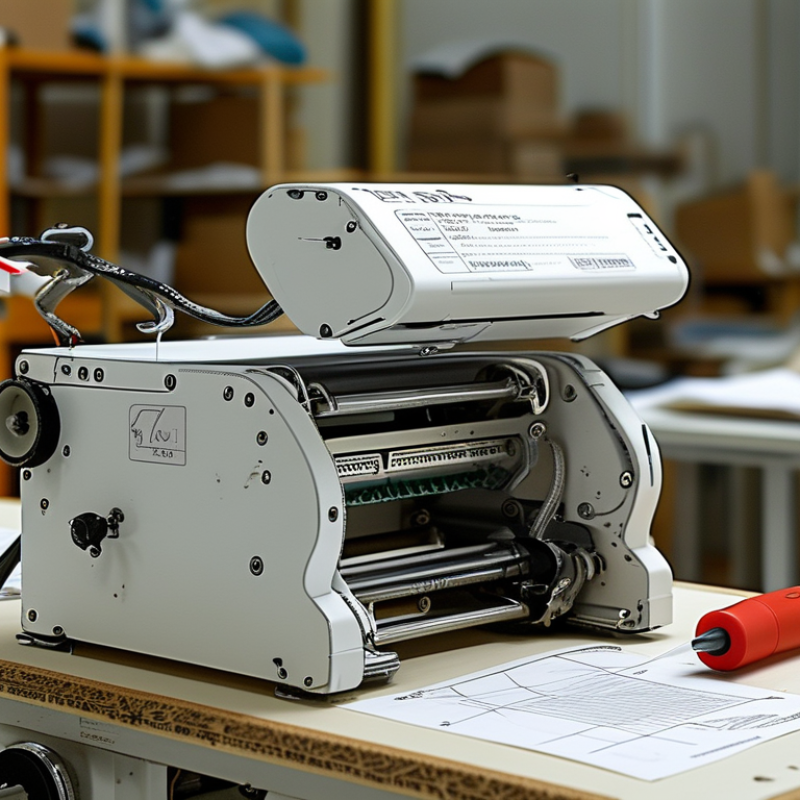
A mask folding machine is not merely a packaging accessory. It shapes production rhythm, product consistency, and labor requirements. Before comparing models, define its exact role on the line. Does it fold finished masks, guide layered materials, or prepare products for sealing? Each function demands different speed, folding accuracy, and interface design.
In a working facility, I would inspect the handoff between cutting, folding, inspection, and packing. A machine that runs quickly but creates misaligned folds can slow the entire line. Operators should adjust guides without complex tools. Sensors should detect material movement and stop the system when feeding becomes irregular. Record actual output during a trial, not only the advertised capacity. Noise, cleaning access, changeover time, and reject rates also deserve attention. Small delays become expensive during long shifts.
The best choice depends on the production target, not the largest number on a specification sheet. For low-volume work, flexible adjustments may matter more than maximum speed. For continuous production, stable feeding and repeatable folding are usually more valuable. Check whether operators can understand the controls after practical training. Maintenance records should be clear, and replacement parts should have predictable lead times. Some assumptions may prove wrong. A machine can appear efficient in a demonstration but behave differently with your materials, humidity, or staff experience. Test those conditions before approval.
Compare Folding Methods, Materials, and Finished Mask Designs
How to Choose the Best Mask Folding Machine
The best mask folding machine should match the finished design, not just the target output. Flat-fold models suit compact designs with clear crease lines and easy stacking. Three-panel machines create more room around the nose and mouth, but they require tighter control of fabric alignment. Fish-style folding can produce a shaped profile, although small tension changes may distort the edges. Compare the folding path, roller pressure, and adjustment range before choosing equipment. A machine that runs quickly may still waste material if folds drift during long production cycles.
Material selection also changes machine performance. Spunbond layers usually move smoothly, while meltblown material can wrinkle under excessive pressure. Elastic bands need stable feeding to prevent loose loops or uncomfortable tension. Review samples at different speeds. Check crease accuracy, layer position, edge sealing, and finished dimensions. I have seen trial setups focus too heavily on speed. That choice often creates hidden defects later. The most reliable evaluation uses several material lots, not one perfect sample.
Tips: Test a small batch first. Measure every fold. Inspect masks under bright, even light. Record speed, pressure, and temperature settings. Leave room for adjustment, because real materials rarely behave exactly like specifications. A simple checklist can prevent expensive rework.
Evaluate Automation, Safety Features, and Maintenance Access
How to Choose the Best Mask Folding Machine
Automation should match your production rhythm, not simply maximize speed. The International Federation of Robotics reported 541,302 industrial robots were installed worldwide in 2023. That figure shows automation is expanding, but faster equipment can create costly bottlenecks. Check changeover time, sensor accuracy, reject handling, and operator training. A machine running smoothly at one speed may struggle with different materials or folding sizes.
Safety needs practical inspection, not attractive specifications. The 2024 State of Smart Manufacturing survey found that 95% of manufacturers were investing in, or planning to invest in, artificial intelligence and machine learning. Smart controls can detect jams, but they cannot replace physical guarding. Verify emergency stops, interlocked covers, low-noise operation, and clear access around moving parts. Safety requirements vary by location, so review applicable standards with a qualified professional. Maintenance access is often overlooked. That is a costly mistake. Operators should reach belts, folding plates, sensors, and filters without awkward stretching. ISO 14120 emphasizes suitable design for fixed and movable guards, including maintenance considerations. In practice, easy access can reduce downtime more than a small speed increase.
Tips: Request a live demonstration using your material. Measure a complete cleaning and adjustment cycle. Ask how faults are recorded and reset. Leave room for improvement; the first layout is rarely perfect. A compact machine may save floor space, yet create poor access. Test that assumption before purchase.
How to Choose the Best Mask Folding Machine
Comparative evaluation of automation, safety features, and maintenance access
Scores use a 1–10 selection index: higher values indicate greater automation, more comprehensive safety provisions, and easier maintenance access. Fully automatic systems generally provide the highest production consistency, while semi-automatic systems can offer a balance between investment, flexibility, and serviceability.
Calculate Total Ownership Cost Before Making a Purchase
How to Choose the Best Mask Folding Machine: Calculate Total Ownership Cost Before Making a Purchase
Purchase price can hide the real cost of a mask folding machine. Build a five-year ownership model before requesting quotations. Include tooling, installation, operator training, electricity, compressed air, spare parts, software, and planned downtime. A low-priced machine may need more adjustments during each shift. That difference becomes expensive.
The U.S. Department of Energy reports that compressed-air leaks can waste 20% to 30% of compressor output. Check air consumption at the quoted production speed, not at idle. Also measure power use during startup, folding, sealing, and standby. The International Federation of Robotics recorded 541,302 industrial robot installations worldwide in 2023. This figure reflects rising automation, but it also highlights a maintenance reality: sensors, drives, and controls need skilled support.
Ask suppliers for documented cycle rates, acceptable defect percentages, maintenance intervals, and typical replacement costs. Request sample runs using your actual material and dimensions. Record jams per 10,000 pieces. Small details matter.
Calculate cost per acceptable mask, not cost per machine. Include rejected materials and labor used for rework. I once saw a fast line lose its advantage through frequent film misalignment. The spreadsheet looked excellent. The production floor disagreed. Leave a contingency for training, unexpected tooling changes, and slower output during the first months. That estimate may be imperfect, but ignoring it is worse.
How to Choose the Best Mask Folding Machine - Calculate Total Ownership Cost Before Making a Purchase
Five-year total ownership cost comparison for three representative automatic mask folding machine configurations. Costs are shown in USD and are intended for preliminary budgeting before requesting supplier quotations.
| Cost and Performance Dimension | Entry-Level Intermittent Machine | Servo-Controlled Standard Machine | High-Speed Continuous Machine |
| Production and Purchase Assumptions |
| Nominal folding speed | 40–60 pieces/min | 80–120 pieces/min | 140–180 pieces/min |
| Expected practical utilization | 70% | 78% | 82% |
| Effective output at rated conditions | 28–42 pieces/min | 62–94 pieces/min | 115–148 pieces/min |
| Purchase price | $28,000 | $52,000 | $86,000 |
| Installation and commissioning | $2,500 | $4,000 | $6,500 |
| Operator training and validation | $1,000 | $1,500 | $2,500 |
| Initial tooling and change parts | $2,000 | $3,500 | $5,000 |
| Initial acquisition cost | $33,500 | $61,000 | $100,000 |
| Annual Operating Cost |
| Electricity consumption | 4.0 kW average load | 6.5 kW average load | 10.0 kW average load |
| Estimated annual electricity cost | $1,760 | $2,860 | $4,400 |
| Preventive maintenance and lubrication | $1,200 | $1,800 | $2,800 |
| Wear parts and replacement tooling | $1,500 | $2,400 | $3,800 |
| Software, controls, and calibration support | $500 | $900 | $1,500 |
| Operator labor allocation | $42,000 | $35,000 | $28,000 |
| Estimated annual operating cost | $46,960 | $42,960 | $40,500 |
| Risk, Downtime, and Quality Factors |
| Expected annual downtime | 120 hours | 80 hours | 60 hours |
| Estimated annual scrap and setup loss | 2.5% | 1.8% | 1.3% |
| Estimated annual downtime and scrap cost | $4,800 | $3,600 | $3,000 |
| Recommended technical staffing | Basic mechanical and electrical support | Qualified controls and mechanical support | Dedicated controls and maintenance support |
| Typical changeover time | 30–45 minutes | 20–30 minutes | 15–25 minutes |
| Five-Year Total Ownership Cost |
| Initial acquisition cost | $33,500 | $61,000 | $100,000 |
| Five-year operating cost | $234,800 | $214,800 | $202,500 |
| Five-year downtime and scrap cost | $24,000 | $18,000 | $15,000 |
| Estimated residual value after five years | −$3,350 | −$9,150 | −$15,000 |
| Estimated five-year total ownership cost | $288,950 | $284,650 | $302,500 |
| Best fit by production profile | Low-volume or backup production | Balanced cost, flexibility, and output | High-volume production with sustained demand |