How to Choose a 24V Battery Charger?
Choosing a 24v battery charger is more than matching two numbers. The charger must suit the battery’s chemistry, capacity, charging profile, and daily operating conditions. A lead-acid battery may require a different charging routine from a lithium battery. Using the wrong profile can reduce battery life, create heat, or leave the battery undercharged.
Real-world selection begins with the battery label. Check its rated voltage, amp-hour capacity, chemistry, and recommended charging current. Then inspect the connector and polarity carefully. A charger with the correct plug can still be unsuitable. That mistake happens more often than expected. For example, a 24V battery used on a warehouse cart may need a durable charger for repeated cycles, while a small backup battery may need a lower current and quieter operation.
Safety features also deserve close attention. Look for overvoltage, short-circuit, overtemperature, and reverse-polarity protection. A reliable 24v battery charger should provide clear status indicators and stable output during changing loads. Independent testing or recognized compliance markings can offer useful reassurance, but markings should still be verified. Marketing claims are not proof.
Charging location matters too. Dust, moisture, poor ventilation, and extreme temperatures can affect performance. An experienced technician will confirm the battery manufacturer’s instructions before connecting anything. Personal experience helps, but it is not enough by itself. Specifications can be misunderstood, especially when older equipment has been modified. The best choice balances electrical compatibility, charging speed, protection, build quality, and long-term service needs.
Understand Your 24V Battery Type and Chemistry
How to Choose a 24V Battery Charger?
Understand Your 24V Battery Type and Chemistry
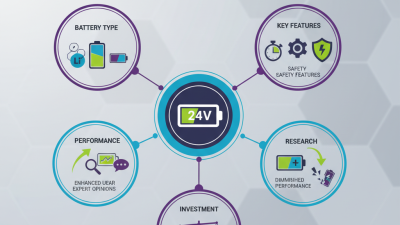
A 24V label shows nominal voltage, not charging requirements. Two 24V batteries may need different voltage limits, charging stages, and safety controls. Flooded lead-acid batteries usually require bulk, absorption, and float charging. AGM and gel batteries need gentler voltage settings. Lithium iron phosphate batteries typically use constant-current and constant-voltage charging, controlled by a battery management system.
Check the battery label and technical sheet before selecting a charger. For many 24V lead-acid systems, absorption voltage is near 28.8V, but the correct value depends on battery design and temperature. A 24V LiFePO4 pack commonly charges near 29.2V. Do not treat these numbers as universal. I have seen chargers selected by voltage alone, causing poor capacity or premature aging.
Battery chemistry matters more as lithium use expands. The International Energy Agency reported global lithium-ion battery demand exceeded 750 GWh in 2023, rising about 40% from 2022. That growth does not make every lithium charger suitable. Match the charger’s profile to the battery management system, rated capacity, and permitted charging current. A 100Ah battery charged at 10A experiences roughly a 0.1C rate, but the manufacturer may specify a different limit. Temperature protection also matters. Lead-acid batteries often need temperature compensation, while lithium batteries may require charging cut-off below freezing. Review the data sheet carefully. One assumption can be expensive.
Determine the Required Charging Voltage and Current
How to Choose a 24V Battery Charger?
Determine the Required Charging Voltage and Current
A 24V battery does not always charge at exactly 24 volts. That label usually describes its nominal voltage. The correct charging voltage depends on the battery chemistry, design, and charging stage. A 24V lead-acid battery may require approximately 28.8 to 29.4V during absorption. Its float voltage may be lower, often near 27.2 to 27.6V. Lithium batteries need different limits, usually specified by the manufacturer and battery management system.
Check the battery datasheet carefully. Do not rely only on the charger label. I once estimated voltage from the nominal rating and ignored temperature effects. That approach was too simple. Charging can become unsafe when voltage limits are exceeded. A multimeter can confirm the charger’s actual output before connection, but measurement alone cannot replace the battery specifications.
Charging current should match the battery capacity and chemistry. For example, a 100Ah lead-acid battery is often charged near 10 to 20A, unless its specifications allow more. Lithium batteries may accept higher current, but the battery’s rated limit remains decisive. A rough charging-time estimate is capacity divided by current, with extra time for charging losses and absorption. Cable length also matters. Thin cables can create voltage drop and reduce charging performance. Keep connections tight. Monitor heat during the first charging cycle.
Match the Charger to Battery Capacity and Usage
How to Choose a 24V Battery Charger?
Match the Charger to Battery Capacity and Usage
A 24V charger must match the battery’s chemistry, capacity, and charging requirements. A lead-acid battery and a lithium battery may share the same voltage label, but their charging profiles differ significantly. Check the battery datasheet before selecting the charger. This small step prevents expensive mistakes.
Capacity matters just as much as voltage. For example, a 24V 100Ah battery often works with a 10A charger, although charging may take more than ten hours. A higher-current charger can reduce charging time, but it may create excess heat or shorten battery life. Many systems operate near 0.1C to 0.2C, yet the manufacturer’s limit should always take priority. Do not guess.
Usage changes the best choice. A battery used every day may need a faster charger and reliable multi-stage control. A backup battery might benefit from a lower maintenance current instead. Consider charging conditions, too. Dusty workshops, cold garages, and poorly ventilated cabinets can affect performance. Leave space around the charger and inspect the connector for looseness or discoloration.
I once chose a charger only by voltage. That shortcut was a mistake. The battery charged slowly and never reached its expected performance. Now, I compare capacity, chemistry, charge current, connector type, and operating temperature together. I also allow extra charging time when the battery supports critical equipment. Faster is not always better.
How to Choose a 24V Battery Charger?
Match the charger to the battery capacity and intended charging speed. For many 24V lead-acid battery systems, a charging current of about 10% of the rated capacity is suitable for routine charging, while 20% can provide faster recovery when permitted by the battery manufacturer.
How to read the chart: Select a charger with an output current close to the battery’s capacity-based requirement. For example, a 24V 100Ah battery commonly uses approximately 10A for standard charging or up to 20A for faster charging, subject to battery chemistry, temperature, and manufacturer limits.
Check Safety Features, Compatibility, and Environmental Ratings
Choosing a 24V battery charger starts with safety, not charging speed. IEC 60335-2-29 addresses safety requirements for household and similar battery chargers. Look for overcurrent, short-circuit, reverse-polarity, and over-temperature protection. A cooling fan helps, but it can collect dust. That detail is easy to overlook.
Compatibility requires more than matching voltage. Confirm the battery chemistry, capacity, charging profile, connector polarity, and recommended current. Lead-acid, AGM, gel, and lithium batteries need different voltage limits and charging stages. A 24V label alone proves very little. For example, a lithium battery may require a dedicated constant-current and constant-voltage profile. The wrong profile can shorten service life or create excessive heat. The Battery Council International’s technical guidance emphasizes correct charging practices and ventilation for lead-based batteries, although real installations are rarely perfect.
Environmental ratings matter where moisture, dust, or temperature changes are unavoidable. IEC 60529 defines IP protection levels: the first digit covers solids from 0 to 6, while the second covers water from 0 to 9. An IP65 enclosure resists dust ingress and water jets, but it is not designed for immersion. Check the charger’s operating temperature, humidity limits, cable flexibility, and corrosion resistance. The Fire Protection Research Foundation has identified charging faults and thermal events as important battery-safety concerns. I would still avoid placing any charger on wet concrete, even with a high IP rating. Ratings reduce risk; they do not replace inspection.
Compare Charging Speed, Portability, and Installation Requirements
How to Choose a 24V Battery Charger?
Charging speed should match the battery’s capacity, chemistry, and daily workload. A higher current rating may reduce downtime, but it can create extra heat and stress. For example, a 24V, 100Ah battery charged at 10A may need more than ten hours in real conditions. Charging losses extend that time. Check the battery manufacturer’s recommended charging profile before selecting output voltage and current. Speed is not everything.
Portability matters when equipment moves between a workshop, vehicle, and storage area. A compact charger with a strong handle is easier to carry, but small housings may have shorter cables and less cooling space. I once underestimated cable length and had to place the charger dangerously close to a wet floor. Measure the space. Look for clear status indicators, protected connectors, and a cable long enough to reach the battery without tension.
Installation requirements can change the entire choice. A permanently mounted charger needs secure brackets, airflow, strain relief, and appropriate electrical protection. Keep vents unobstructed, and follow local wiring rules and the battery maker’s instructions. For outdoor or dusty locations, check the enclosure rating and avoid exposing the charger to standing water. Portable models usually require less installation, though they still need a dry, stable surface. Leave room for error. A charger that fits technically may still be difficult to inspect, remove, or use safely.