How to Choose an Automotive Door Lock Switch?
Choosing the right automotive door lock switch affects security, convenience, and daily driving confidence. A small button on the door can control several functions, including the lock actuator, child-safety logic, and central locking system. However, appearance alone is not enough. A switch may fit the panel and still send the wrong electrical signal.
This guide explains how to evaluate an automotive door lock switch using practical, reliable criteria. Check the vehicle’s make, model, year, trim, connector shape, pin layout, and original part number. Compare these details with the manufacturer’s specifications, not only with online photographs. A professional technician would also inspect the wiring, fuse, actuator, and body control module before replacing the switch. The switch might not be the real problem.
Pay attention to material quality. Firm buttons, clean markings, and a stable connector usually indicate better durability. In contrast, loose plastic, uneven gaps, or weak spring feedback deserve caution. Weather exposure matters too, especially on older doors where moisture can reach the contacts. Testing the replacement with a multimeter can reveal poor continuity before installation. It is a simple step.
Still, no selection method is perfect. Some aftermarket parts claim broad compatibility but omit important trim differences. That claim can mislead buyers. Reliable sellers provide clear fitment data, warranty terms, and return policies. When uncertain, verify the vehicle identification number through an authorized parts source. A careful choice saves labor, prevents repeated repairs, and helps the locking system work as designed.
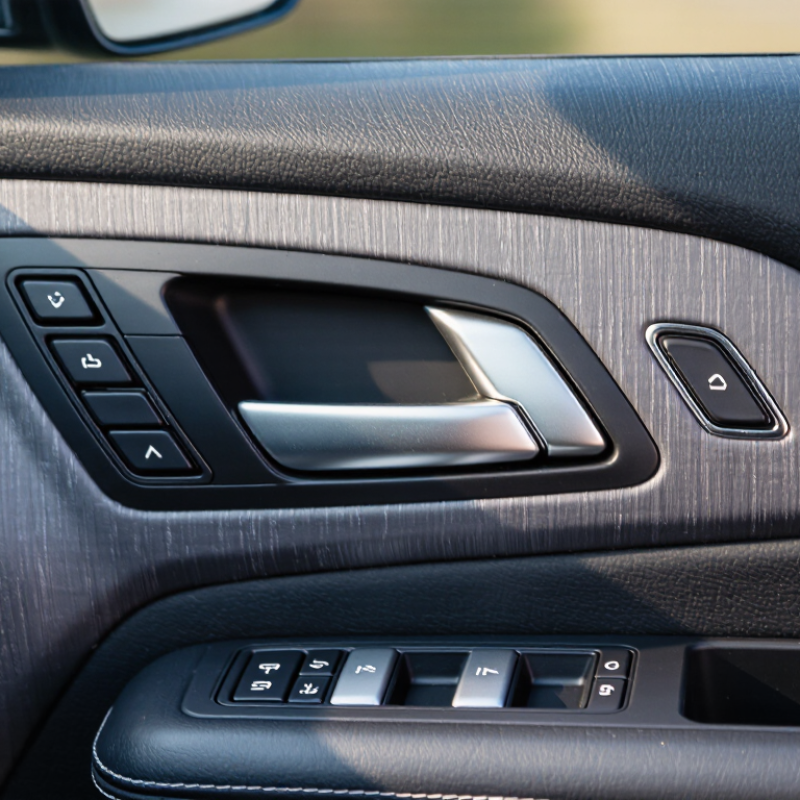
What an Automotive Door Lock Switch Does
An automotive door lock switch is the driver’s direct command for securing or releasing a vehicle door. Pressing it sends a low-voltage signal to the body control module. The module then activates the door-lock actuator through the vehicle’s wiring network. Older systems may switch actuator power directly. Modern systems often use electronic control and separate safety logic.
The switch also supports central locking, interior lighting signals, and sometimes automatic unlocking after a collision. A clear tactile click matters during nighttime driving. Backlighting improves visibility, but excessive brightness can distract the driver. During selection, check the connector shape, pin layout, voltage rating, switch travel, and resistance to dust and moisture. A mismatched connector can create intermittent locking faults.
Scale makes reliability important. OICA recorded 93.5 million motor vehicles produced worldwide in 2023. Each vehicle depends on small control components working repeatedly. S&P Global Mobility reported that the average U.S. vehicle age reached 12.6 years in 2024. Older vehicles may need switches with stronger contacts and better material stability. A practical inspection should include loose terminals, delayed actuator response, and uneven button movement. The newest-looking switch is not always the correct choice. That assumption can waste time. No selection method is flawless, especially when wiring diagrams are incomplete or previous repairs altered the harness.
How to Choose an Automotive Door Lock Switch? — What an Automotive Door Lock Switch Does
An automotive door lock switch sends a momentary electrical command to the vehicle’s body control system or door-lock relay. In this typical 12-volt positive-switched example, a short voltage pulse requests either locking or unlocking, while the 0-volt level represents the inactive state. Actual wiring and signal levels may vary by vehicle design.
Installation and Compatibility Considerations
Choosing an automotive door lock switch begins with installation details, not appearance. S&P Global Mobility reported that the average U.S. light vehicle reached 12.6 years in 2024. Older vehicles often have brittle connectors, repaired wiring, or modified door panels. Measure the switch opening, mounting depth, terminal layout, and connector shape before ordering. A visual match can still mislead.
Check the vehicle’s wiring diagram and confirm the switch’s voltage, polarity, and signal type. Some systems send a simple ground signal, while newer vehicles communicate through a body control module. Incorrect testing can trigger a fuse failure or a warning light. SAE electrical testing guidance, including SAE J1113 practices, emphasizes controlling voltage variation and electromagnetic interference during component evaluation. Use a multimeter, not guesswork. Disconnect the battery before removing trim, and protect clips from cracking.
Installation should preserve the original wire routing and door-seal protection. The U.S. Department of Transportation’s vehicle age data shows why compatibility checks matter: older fleets contain wide variations in electrical designs and repair histories. I have found that connector adapters reduce cutting, but they can also introduce loose terminals. That risk is easy to overlook. Test locking, unlocking, remote operation, and child-safety functions several times before reinstalling the panel. A switch that feels firm may still have an intermittent electrical fault. Recheck it later.
Testing, Maintenance, and Replacement Tips
How to Choose an Automotive Door Lock Switch?
Testing, Maintenance, and Replacement Tips
Choosing an automotive door lock switch starts with matching its function to the vehicle’s electrical system. Check the service manual for connector shape, pin arrangement, voltage, and switch position. A similar-looking part may still send the wrong signal. Test the existing switch before ordering a replacement. With the battery connected, press the switch and listen for the actuator. No sound may indicate a failed switch, fuse, wiring fault, or actuator problem. A multimeter can confirm continuity across the switch terminals. Test it.
Maintenance is simple but important. Keep the switch area dry and remove dust around the button or rocker. Do not spray heavy lubricant into the electrical housing. Moisture can create intermittent operation, often noticed during cold mornings or after rain. Inspect loose trim, damaged wires, and bent terminals. An overlooked ground connection can imitate switch failure. This is where diagnosis becomes less certain.
Tips: Compare the old and replacement switches before installation. Photograph the connector and wire positions. Disconnect the battery when the repair procedure requires it, and protect the trim with a plastic tool. Never force a connector. If the lock works from one door but not another, test that switch separately. Recheck every function after replacement, including interior locking and remote operation. A practical mistake is replacing parts too quickly. Careful testing usually costs less than guessing.