What is a Commercial Condensing Unit and How Does it Work?
The Commercial Condensing Unit plays a crucial role in modern refrigeration and HVAC systems. These units are essential for maintaining optimal temperatures in commercial spaces. They are commonly found in restaurants, supermarkets, and industrial settings. Understanding how a Commercial Condensing Unit works can greatly enhance energy efficiency and reliability.
These units operate by expelling heat absorbed from the environment. They rely on refrigerants to achieve this process. The heat exchange occurs primarily in the condenser coil, where gas is cooled and transformed into a liquid state. This system, while effective, also faces challenges. Maintenance is key to ensuring efficiency and preventing breakdowns.
Every commercial establishment using these units must pay attention to their performance. Regular inspections and servicing can avert costly repairs. However, many businesses overlook this vital aspect. Recognizing the importance of a well-functioning Commercial Condensing Unit is not only beneficial but necessary for effective operations.
What is a Commercial Condensing Unit? A Comprehensive Overview
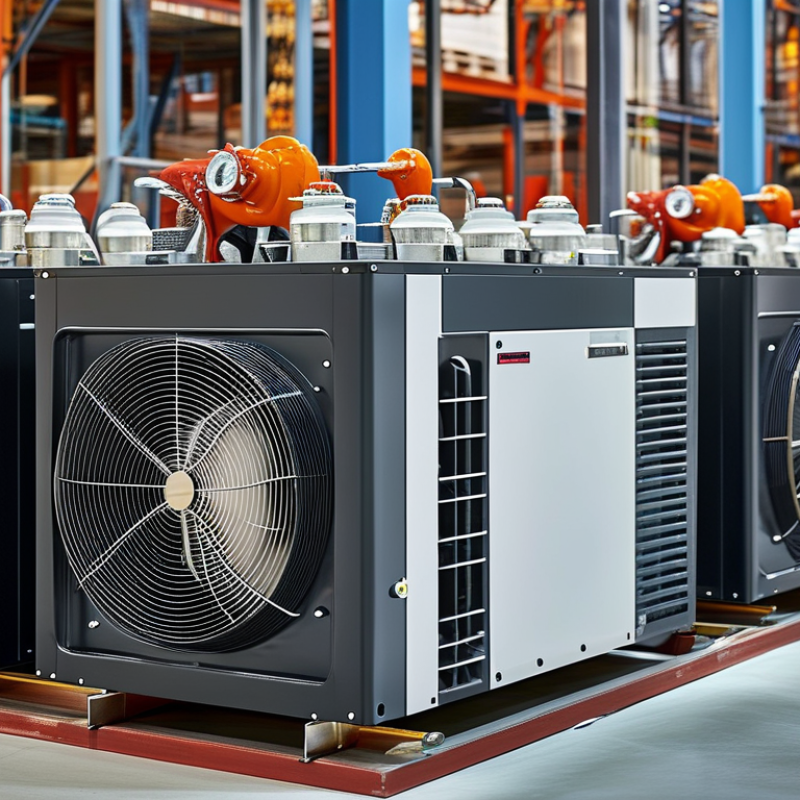
A commercial condensing unit is a crucial component in various cooling systems, widely used in restaurants, supermarkets, and warehouses. This unit condenses refrigerant vapor into liquid, aiding in the refrigeration process. Typically located outdoors, it comprises a compressor, condenser coil, and fan. The compressor compresses the refrigerant, raising its temperature and pressure. The refrigerant then flows through the condenser coil where it releases heat, turning from gas to liquid.
Understanding how it operates is key for maintenance. The fan plays a critical role by enhancing airflow through the condenser. If the fan malfunctions, the unit could overheat, leading to inefficiency. Regular checks can prevent performance issues. However, many overlook the significance of cleaning the condenser coil, which can accumulate dirt over time. This neglect can impede heat exchange and reduce the unit's lifespan. Addressing these simple maintenance tasks can greatly enhance cooling efficiency and energy consumption.
Commercial Condensing Unit Efficiency Data
Key Components of a Commercial Condensing Unit Explained
A commercial condensing unit is essential in refrigeration and air conditioning systems. It plays a significant role in providing cooling and maintaining temperature. Understanding its components is vital for effective operation.
The main components include the compressor, condenser, evaporator, and expansion valve. The compressor circulates refrigerant, increasing its pressure and temperature. This process is crucial for the unit’s efficiency. The condenser removes heat from the refrigerant, allowing it to turn from gas to liquid. Cooling towers sometimes accompany this process, effectively dissipating heat into the environment.
The evaporator absorbs heat from the surrounding air or water. It converts the refrigerant back into gas as it absorbs heat. The expansion valve regulates refrigerant flow, ensuring the system operates smoothly. Issues in any of these components can lead to suboptimal performance. Regular maintenance is essential to prevent breakdowns and enhance efficiency. It’s not always easy to spot problems, so vigilance is key. Regular checks can save time and costs in the long run.
Operational Principles: How Commercial Condensing Units Function
Commercial condensing units play a crucial role in refrigeration and HVAC systems. They operate based on the principles of thermodynamics and heat exchange. These units typically consist of a compressor, condenser, evaporator, and expansion valve. The compressor compresses refrigerant gas, raising its pressure and temperature. This gas then moves to the condenser, where it releases heat and condenses into liquid form. With approximately 70% of commercial energy use coming from HVAC systems, understanding these units’ operational principles is vital for energy management.
The evaporator absorbs heat from the environment as the refrigerant evaporates. This process cools the surrounding air, making it essential for temperature control in commercial spaces. Recent studies indicate that optimizing these systems can reduce energy consumption by 20-30%. However, many facilities still use outdated units. Upgrading can lead to significant cost savings and improved efficiency. Technicians often face challenges in diagnosing issues, leading to potential downtime. Regular maintenance becomes crucial to maintain optimal performance and lengthen equipment lifespan.
The operational efficiency of a condensing unit depends on many factors, including ambient temperature and system design. While newer models offer advanced features, many still encounter inefficiencies. Moreover, refrigerant selection remains a concern, as environmental regulations impact choices. Operators must remain vigilant about system performance and adapt to evolving standards. It's a complex landscape that requires continual learning and adaptation.
Efficiency Ratings: Understanding SEER and EER in Condensing Units
Understanding SEER and EER ratings is crucial for optimizing the performance of commercial condensing units. The Seasonal Energy Efficiency Ratio (SEER) measures efficiency over an entire cooling season. A higher SEER value indicates better energy efficiency, which can lead to significant savings in energy costs. It’s essential to choose units that strike a balance between upfront cost and long-term efficiency gains.
The Energy Efficiency Ratio (EER), on the other hand, evaluates efficiency at a specific operating condition. This means that EER ratings can fluctuate based on environmental factors. While a unit may have a high SEER, it is vital to examine EER in peak conditions, ensuring it performs effectively when you need it most. Some units may excel in one rating but fall short in the other.
Understanding these metrics can be complex but essential. Overlooking them can lead to choices that are not the best in the long run. Energy efficiency is not just about saving money; it also impacts the environment. Building a solid understanding of SEER and EER ensures that your investment works harder for you. This thoughtfulness in selection can foster reliability and performance in your commercial operations.
What is a Commercial Condensing Unit and How Does it Work? - Efficiency Ratings: Understanding SEER and EER in Condensing Units
| Unit Type | Cooling Capacity (BTU/hr) | SEER Rating | EER Rating | Refrigerant Type |
| Air-Cooled | 24000 | 16 | 12 | R-410A |
| Water-Cooled | 30000 | 15 | 11 | R-134A |
| Scroll Compressor | 48000 | 18 | 15 | R-410A |
| Scroll and Screw | 60000 | 17 | 13 | R-407C |
Applications and Benefits of Commercial Condensing Units in Industry
Commercial condensing units play a crucial role in various industries, from food processing to HVAC systems. These units efficiently dissipate heat from refrigerants, ensuring proper temperature control. According to the U.S. Department of Energy, commercial refrigeration accounts for nearly 20% of total energy consumption in the commercial sector. This highlights the need for effective energy management strategies.
The applicability of these condensing units extends across different sectors. In grocery stores, they maintain optimal conditions for perishable goods. In server rooms, they ensure electronic equipment remains cool. Reports indicate that adopting energy-efficient commercial condensing units can reduce overall energy costs by up to 30%. This can lead to significant savings over time, proving their value to businesses.
However, challenges remain. Not all units are designed for every application. Selection requires careful consideration of cooling loads, ambient temperatures, and space constraints. Some industries may also face regulatory hurdles regarding refrigerants. Businesses must balance efficiency with compliance. This ongoing reflection is crucial for optimal performance in each scenario.