Sourcing compliant Mini Vapes globally requires more than comparing prices, designs, and delivery dates. It demands disciplined verification across product safety, labeling, manufacturing controls, and local market rules. Requirements can differ sharply between countries, states, and even retail channels. A device accepted in one market may require redesign elsewhere.
A reliable sourcing process begins with a documented supplier profile. Check business registrations, factory addresses, quality certificates, test reports, and traceable production records. Confirm battery safety, charging protection, leakage resistance, materials, and packaging specifications. Independent laboratory testing can reveal problems that product samples hide. It can also expose incomplete claims.
Small details matter. A carton may show the wrong warning language. A serial number may not match the inspection report. A charger may lack clear electrical information. These issues can delay customs clearance, trigger recalls, or damage customer trust. Age restrictions, advertising controls, tax obligations, and import documentation should be reviewed by qualified local professionals.
Do not rely on certificates alone.
Supplier audits should examine incoming materials, assembly lines, worker training, inspection records, and corrective actions. Request retained samples from each production batch. Keep written approval records before shipment. An experienced compliance partner can compare requirements with recognized standards and official guidance. Still, no checklist guarantees permanent compliance. Rules change, suppliers drift, and documents become outdated. That uncomfortable reality deserves attention. A responsible global strategy therefore combines technical testing, legal review, transparent communication, and ongoing monitoring. The goal is not simply to source Mini Vapes efficiently, but to build a defensible supply chain that protects users, business partners, and the company’s long-term reputation.
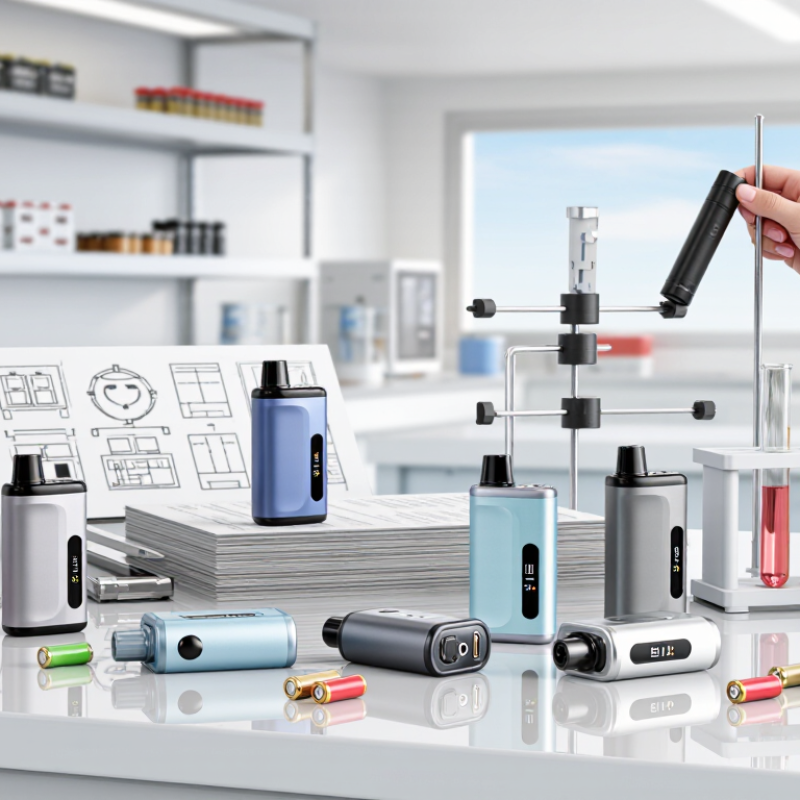
Compliance begins with the destination market, not the factory catalogue. Each country may set different rules for nicotine limits, permitted ingredients, device dimensions, emissions, and labeling. Confirm whether mini vapes are legally allowed before requesting samples. Check registration duties, age restrictions, advertising controls, and import procedures with qualified local counsel or regulators.
Request a complete technical file from every supplier. It should include ingredient specifications, laboratory reports, battery safety records, manufacturing controls, and traceability documents. Packaging may need health warnings, batch codes, disposal guidance, and instructions in the local language.
A small device still needs serious testing. Review leakage resistance, charging behavior, child safety features, and consistency between samples and mass production. Do not rely on a certificate alone; its scope and validity matter.
Tips:
Build a market-by-market compliance checklist. Ask for recent, independent test results. Verify the laboratory’s accreditation. Keep signed specifications and approval records. Inspect random production units before shipment. It is easy to overlook regional recycling symbols or translated warnings. I have found that supplier promises often sound clearer than the evidence. That deserves a second review. Also assess warehouses and transport partners, because heat, moisture, and poor inventory controls can affect product safety and documentation. When requirements conflict, pause sourcing and obtain written guidance from a qualified compliance professional.
Sourcing compliant mini vapes begins with a regional rule map, not a supplier list. Requirements can differ by country, state, or province. Record whether each market permits the device category, nicotine strength, battery design, and refill format. Check official regulator portals and obtain written advice from qualified local counsel. Rules shift.
E-liquids need separate verification. Request full ingredient disclosures, batch records, laboratory reports, and contaminant testing. Confirm that nicotine calculations match the finished product, not only the concentrate. Review child-resistant packaging, tamper evidence, and permitted additives. Keep evidence. A supplier’s certificate alone may not prove market compliance.
Labels should be reviewed against local language, health warnings, net contents, nicotine statements, importer details, and disposal instructions. Marketing creates another risk area. Avoid medical claims, youth-oriented colors, cartoon imagery, and lifestyle messages that could appeal to minors. Use age-gated channels where required, and archive every advertisement before publication. A common mistake is treating packaging approval as marketing approval. They are different controls.
Build a country-by-country approval file for each device and e-liquid combination. Include test reports, artwork versions, manufacturing dates, and responsible contacts. Recheck the file after formulation, battery, or packaging changes. No spreadsheet is perfect. Human review still matters, especially when translations sound harmless but create implied health claims. A cautious launch may feel slower, yet it reduces recalls, rejected shipments, and costly redesigns.
Sourcing compliant mini vapes starts with evaluating the manufacturer, not the product photos. Request business licenses, factory ownership details, and recent audit reports. Visit the facility when possible. Check whether production areas are clean, organized, and traceable. A reliable manufacturer should explain material specifications, supplier controls, and batch records clearly. Vague answers are warning signs.
Certifications must match the destination market and product design. Ask for current certificates from recognized, independent laboratories. Verify the laboratory’s accreditation and confirm that reports identify the exact model, battery, and materials. Useful evidence may include electrical safety, battery transport, chemical, packaging, and quality-management documentation. Do not accept a certificate copied from another product. Requirements can change, and paperwork alone does not prove safe production.
Tips: Build a document checklist before negotiations. Request test samples from several batches, not only one polished sample. Inspect airflow, leakage, activation, charging behavior, and packaging accuracy. Confirm that every unit carries a traceable lot code. A strong quality system should include incoming inspection, in-process checks, final sampling, and corrective-action records. Ask how failed units are isolated. Ask who approves release.
Small details matter. For example, a loose mouthpiece or inconsistent draw can reveal weak process control. I have found that suppliers often describe inspection as “complete” without defining sample sizes. That deserves questions. No system is perfect. Review complaints, returns, and recalls honestly, then check whether corrective actions were actually implemented.
Sourcing compliant mini vapes globally starts with verifiable product testing. Ask for current laboratory reports, not screenshots or generic certificates. Reports should identify the exact model, batch number, test method, and laboratory credentials. Review battery safety, charging performance, leakage, materials, and emissions where required. Ingredient records should match the physical product and its technical file. A neat spreadsheet is not proof.
Documentation must remain consistent across suppliers, factories, and shipments. Check the declaration of conformity, quality procedures, manufacturing address, and change-control records. Packaging also needs close inspection. Labels should show required warnings, ingredients, capacity, instructions, and responsible-party details for the destination market. Child-resistant features may apply. Packaging rules differ, so one global design can create avoidable problems. Local regulatory advice is essential.
Traceability should work in both directions. A serialized code, production date, and batch record can connect a retail unit to raw materials and inspection results. Request sample units before approving a large order. Compare the printed code with the certificate and shipping documents. I have found small mismatches during document reviews. They were easy to overlook. They still mattered. Keep retained samples and conduct periodic testing after production begins. Suppliers may change components without clear notice, so written approval and audit rights are practical safeguards. Some processes will remain imperfect; record the gap, assess its risk, and correct it before distribution where legally permitted.
Manage Importation, Customs, and Ongoing Regulatory Compliance
Sourcing compliant mini vapes begins with identifying the destination market, not the lowest factory price. Regulations may control nicotine strength, device capacity, ingredients, labeling, advertising, and online sales. Confirm each requirement with official regulators or qualified local counsel. Never assume one country’s approval applies elsewhere.
Before shipment, request a complete technical file. It should include ingredient disclosures, laboratory reports, battery safety documents, manufacturing controls, and traceability records. Check that labels show required warnings, batch numbers, responsible importer details, and lawful disposal information. Keep samples from every production run. Small differences can create customs questions.
Prepare the importer of record carefully. Confirm the tariff classification, commercial invoice, packing list, origin statement, and transport restrictions. A licensed customs broker can review the entry before cargo moves. Yet, brokers cannot repair missing evidence. That remains the supplier’s responsibility.
Build compliance into the purchase contract. Require advance notice of formulation, packaging, or component changes. Maintain an electronic audit trail with certificates, test dates, shipment records, and corrective actions. Monitor complaints, damaged batteries, and regulatory updates after sale. A spreadsheet can still hide weak controls. Review it manually.
Do not rely on old reports. Test periodically through competent, independent laboratories. Requirements may change during a product’s commercial life, and enforcement practices can differ between ports. When uncertainty remains, pause the shipment and obtain written advice. Costly delays are frustrating, but undocumented assumptions are harder to defend.
Stay in touch with the latest National Luna Products and News!