What Are the Top 10 Dicing Machine Manufacturers?

Choosing the right Dicing Machine manufacturer requires more than comparing catalog prices. This guide examines ten leading companies serving semiconductor, electronics, medical, ceramic, and research applications. Their equipment may look similar, yet performance differs sharply under production pressure. Spindle stability, blade control, cutting accuracy, and software integration matter every day.

The comparison considers practical evidence, including cutting trials, published specifications, customer support, and long-term industry presence. A reliable machine should produce clean streets on silicon wafers, minimize chipping, and maintain accuracy across repeated batches. Cooling systems also deserve attention. Poor coolant control can affect surface quality and shorten blade life. Operators will notice these details quickly.

No single manufacturer suits every factory. A research laboratory may value flexible fixtures, while a high-volume plant may prioritize automation and cycle time. Service networks, spare-part availability, training, and installation support can influence the real cost more than the initial quotation. Claims should be checked carefully against independent records and user experience. Marketing language is not proof.

This ranking is useful, but not absolute. Regional support and application requirements can change the result. Some manufacturers offer excellent precision but limited customization. Others provide strong service while lacking advanced software. That trade-off deserves honest discussion. The following overview compares their strengths, limitations, technologies, and ideal use cases, helping buyers make a more informed decision before requesting technical proposals.
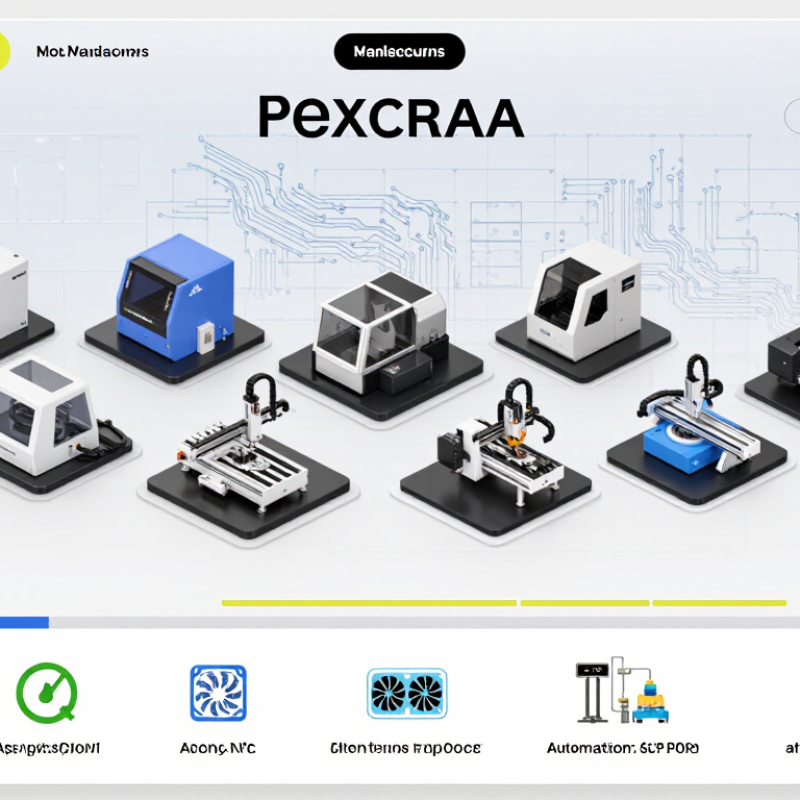
What Are the Top 10 Dicing Machine Manufacturers?

What Is a Dicing Machine and Where Is It Used?

A dicing machine cuts wafers, glass, ceramics, and other brittle materials into accurate, usable pieces. It commonly uses a diamond blade, laser, or specialized cutting wheel. In semiconductor production, the machine separates a processed wafer into individual chips. Each cut must follow narrow streets between circuits without damaging nearby components.

The equipment also serves solar-cell manufacturing, optical devices, sensors, ceramic packages, and laboratory prototypes. Operators adjust cutting speed, blade thickness, spindle rotation, cooling flow, and cutting depth. Water cooling reduces heat and carries away debris. Some systems collect particles carefully because contamination can ruin sensitive surfaces. Dust matters. Small errors matter more.

When comparing the top ten dicing machine manufacturers, buyers should examine repeatability, service support, software controls, and spare-part availability. A fast machine is not automatically the best machine. Production teams should review actual material thickness, expected throughput, acceptable edge chipping, and operator skill. In my experience, sample testing reveals problems that brochures often hide. Even a well-calibrated system may produce uneven edges when the material contains internal stress. That limitation deserves honest evaluation. Regular blade inspection, alignment checks, and cleaning routines strongly influence final quality. A machine may appear reliable during a short demonstration, yet long-term performance depends on maintenance discipline, training, and stable process conditions.

How to Evaluate and Compare Dicing Machine Manufacturers

Comparing the top 10 dicing machine manufacturers requires more than checking rankings. Start with cutting accuracy, machine stability, and material compatibility. A reliable supplier should explain blade options, spindle performance, and expected tolerances clearly. Ask for test cuts using your actual wafers, ceramics, glass, or other materials. A clean edge matters more than an impressive brochure.

Examine production evidence carefully. Request sample inspection reports, maintenance records, and customer references from similar applications. Check how quickly the manufacturer responds when alignment drifts or a spindle overheats. Training quality also affects daily results. Operators need practical guidance, not only a thick manual.

I have seen attractive specifications fail under continuous production, so factory demonstrations deserve attention. Still, one demonstration cannot prove long-term reliability.

Tips: Compare total ownership costs, including blades, software, servicing, and downtime. Review warranty limits and spare-part availability. Measure noise, dust control, footprint, and operator access on the factory floor. Ask whether the control system records cutting data for traceability. Be cautious with vague claims. A lower purchase price may hide expensive maintenance. Also, evaluation criteria should match your process, because the best machine on paper may perform poorly with your materials.

The Top 10 Dicing Machine Manufacturers by Product Strengths

The top 10 dicing machine manufacturers are best compared by product strengths, not popularity alone. SEMI’s 2024 equipment forecast projects global semiconductor manufacturing equipment sales to reach about $112.8 billion. That growth increases demand for accurate wafer separation, especially in advanced packaging and power devices. A strong supplier should offer stable cutting, low kerf loss, and repeatable results across different wafer materials.

Among the leading ten, several stand out for high-speed blade dicing. Their systems support thin wafers, automatic alignment, and water control near the cutting zone. Others focus on laser dicing, which reduces mechanical stress and suits fragile substrates. Some manufacturers build flexible platforms for silicon carbide and glass. These machines need rigid stages, careful thermal control, and software that detects edge damage quickly. Small details matter.

Yole Group’s 2024 advanced packaging analysis reports continued investment in heterogeneous integration and high-density interconnects. That trend favors manufacturers with hybrid platforms, inspection modules, and strong process development support. The best product is not always the fastest one. A slower machine may produce better die strength and fewer rejected packages. Maintenance access also deserves more attention; operators notice this during a midnight blade change. My ranking would remain provisional because published specifications rarely show long-term yield data. Real factory trials should carry more weight than impressive brochures.

What Are the Top 10 Dicing Machine Manufacturers? The Top 10 Dicing Machine Manufacturers by Product Strengths
Rank Manufacturer Profile Primary Product Strength Typical Workpiece Compatibility Representative Cutting Accuracy Automation Capability Best-Fit Applications Key Competitive Advantage
1 Manufacturer 1 High-precision semiconductor wafer dicing Up to 300 mm wafers
Silicon, glass, ceramic, and compound semiconductor substrates
Approximately ±2–5 μm, depending on material and process conditions Fully automatic alignment, vision inspection, recipe control, and cassette handling Integrated-circuit wafers, MEMS, sensors, and advanced semiconductor packaging Strong process stability for high-volume production and tight kerf control
2 Manufacturer 2 Advanced packaging and singulation systems Wafer and panel formats
Thin wafers, molded packages, substrates, and laminates
Approximately ±3–8 μm in standard production configurations Automatic optical alignment, barcode tracking, and production-line integration QFN, BGA, lead-frame, fan-out, and system-in-package production Flexible handling of diverse package geometries and high-mix production
3 Manufacturer 3 Laser-based non-contact dicing SiliconGlassCeramic
Materials sensitive to mechanical stress
Approximately ±2–6 μm with optimized optical calibration Automated focusing, beam monitoring, pattern recognition, and process logging MEMS, microfluidics, power devices, display components, and brittle materials Reduced chipping and mechanical damage on fragile or ultrathin substrates
4 Manufacturer 4 High-speed blade dicing for mass production Up to 300 mm wafers
Silicon wafers, optical components, and ceramic substrates
Approximately ±3–7 μm in stable production environments Automatic wafer loading, spindle monitoring, alignment, and water-flow control Memory, logic, discrete semiconductors, LEDs, and consumer electronics High throughput, mature wet-processing systems, and low operating cost per cut
5 Manufacturer 5 Precision dicing for compound semiconductors Up to 200 mm wafers
Silicon carbide, gallium nitride, gallium arsenide, and sapphire
Approximately ±3–8 μm, subject to substrate hardness and thickness Automatic height sensing, spindle-load monitoring, and programmable cut recipes RF devices, power electronics, photonics, LEDs, and high-frequency components Optimized cutting parameters for hard, brittle, and heat-sensitive materials
6 Manufacturer 6 Compact and modular dicing platforms Up to 200 mm wafers
Small panels, ceramic parts, glass, and standard semiconductor substrates
Approximately ±5–10 μm for general-purpose production Semi-automatic to fully automatic configurations with optional vision modules Research laboratories, pilot lines, specialty components, and small-batch production Compact footprint, lower entry cost, and easy configuration changes
7 Manufacturer 7 Dicing and grooving for thick materials Thick substrates
Ceramic, glass, silicon, quartz, and multilayer electronic boards
Approximately ±5–12 μm, depending on material thickness and blade selection Programmable multi-pass cutting, depth control, and automated workholding Power modules, ceramic circuits, sensors, industrial electronics, and technical glass Reliable depth control and stable cutting performance on thick workpieces
8 Manufacturer 8 Flexible systems for electronic and optoelectronic components WaferPanelSubstrate
Glass, silicon, ceramic, and optical materials
Approximately ±4–10 μm in application-dependent conditions Vision-guided positioning, programmable motion stages, and traceability software Optical sensors, camera modules, displays, LEDs, and electronic modules Broad material range and adaptable tooling for mixed product portfolios
9 Manufacturer 9 Cost-efficient precision cutting equipment Up to 200 mm wafers
Silicon, glass, ceramics, PCBs, and laboratory samples
Approximately ±6–15 μm for standard applications Manual, semi-automatic, and entry-level automatic configurations Universities, laboratories, prototype development, and price-sensitive production Accessible pricing, straightforward operation, and economical maintenance
10 Manufacturer 10 Customized dicing solutions and application engineering Non-standard sizes
Specialty ceramics, engineered glass, wafers, panels, and composite substrates
Approximately ±5–15 μm, determined through application-specific trials Custom fixtures, integrated inspection, recipe management, and optional robotics Specialty semiconductors, medical devices, research projects, and custom components Strong engineering support for unusual geometries, materials, and production volumes
Note: Performance ranges are representative industry values. Actual accuracy, throughput, substrate size, and automation level vary according to machine configuration, blade or laser technology, material properties, workpiece thickness, and process parameters.

Key Technologies and Applications Offered by Leading Manufacturers

Leading dicing machine manufacturers now compete through precision, hygiene, and flexible automation. Mordor Intelligence estimates the global food processing equipment market will approach USD 78 billion by 2030. That expansion rewards machines that reduce trimming losses and maintain consistent cube sizes.

Servo-driven blades support rapid size changes, while vision systems inspect shape, color, and surface defects. Some systems connect with weighing units and robotic conveyors. Clean-in-place designs shorten sanitation time, although poor water management can create new contamination risks. That detail matters. The European Hygienic Engineering and Design Group emphasizes drainability, accessible surfaces, and minimal product retention in hygienic equipment design.

Applications differ sharply by product. Meat processors need controlled cutting pressure and temperature management. Frozen-food plants require reinforced cutting assemblies and anti-bridging feed systems. Fresh-produce operations often prioritize gentle handling, quick changeovers, and low oxygen exposure. According to FAO data, about 14% of food is lost between harvest and retail, making yield-focused dicing valuable. However, automation alone will not solve waste. Incorrect calibration can increase fines, uneven cuts, and rejected batches.

A useful top-ten evaluation should compare throughput, cutting accuracy, sanitation validation, energy use, spare-part access, and operator training. PMMI industry reports repeatedly identify labor availability and automation investment as major packaging-sector concerns. Still, specifications can look better than real factory results. Independent trials with actual products remain essential.

How to Select the Right Dicing Machine Manufacturer

Choosing among the top 10 dicing machine manufacturers requires more than comparing prices. The right supplier should understand your product, production volume, and cutting tolerance. A machine for soft vegetables may fail on frozen meat or dense fruit. Ask for test cuts using your actual materials. The results reveal more than a polished brochure.

Check blade options, feed control, adjustment accuracy, and cleaning access. A reliable manufacturer should provide clear technical drawings, capacity data, and maintenance schedules. Request references from facilities with similar working conditions. Speak with operators, not only sales representatives. Their comments often expose small problems, such as difficult belt changes or inconsistent slice thickness.

Service quality matters greatly. Confirm response times, spare-part availability, training, and installation support before signing anything. Ask whether the manufacturer can document factory acceptance testing and safety requirements for your market. Total cost includes energy use, blades, downtime, and skilled labor. I once focused too heavily on output speed and underestimated cleaning time. That mistake changed the comparison. A slower machine may perform better when it reduces waste and protects product quality. Leave room for uncertainty, because laboratory trials rarely match a busy production floor. Inspect the machine after several operating cycles, when heat, vibration, and residue begin to reveal its real behavior.

What Are the Top 10 Dicing Machine Manufacturers? How to Select the Right Manufacturer

Wafer-size compatibility is one of the first technical specifications to verify when comparing dicing machine manufacturers. The chart shows common nominal wafer diameters used in semiconductor processing, expressed in millimeters.

Before selecting a supplier, confirm the supported wafer diameter, workpiece thickness, cutting method, spindle speed, positioning accuracy, automation level, and after-sales service requirements.

Stay in touch with the latest National Luna Products and News!