Top 10 Digital Signage LED Wall Suppliers to Buy From?
The digital signage LED wall market is expanding as retailers, transport hubs, stadiums, and corporate spaces demand brighter visual communication. Grand View Research estimates that the global digital signage market reached approximately USD 27.3 billion in 2022. Its report also projects an 8.1% compound annual growth rate from 2023 to 2030. These figures show momentum, but market estimates differ across research firms. That difference matters.
A reliable supplier must offer more than attractive cabinet photos. Buyers should examine pixel pitch, brightness, refresh rate, color calibration, power consumption, maintenance access, and operating temperature. A 1.5 mm wall may suit a close-viewing showroom. A 4 mm display can be more practical for a large entrance or transit hall. AVIXA’s Industry Outlook reports continued growth in professional audiovisual spending, supporting stronger demand for integrated displays, control systems, installation, and service. The screen is only one part of the system.
This guide reviews ten suppliers from a buyer’s perspective. It considers product consistency, technical support, warranty clarity, certification practices, customization, and delivery experience. Field performance matters. A wall can look impressive on day one and become difficult to service later. No ranking fits every project. Budget, viewing distance, climate, content type, and local support can change the decision. Even supplier claims require verification. Request test panels, inspect cabinet seams, and ask for real service records. Small details often reveal the larger truth.
What Is a Digital Signage LED Wall?
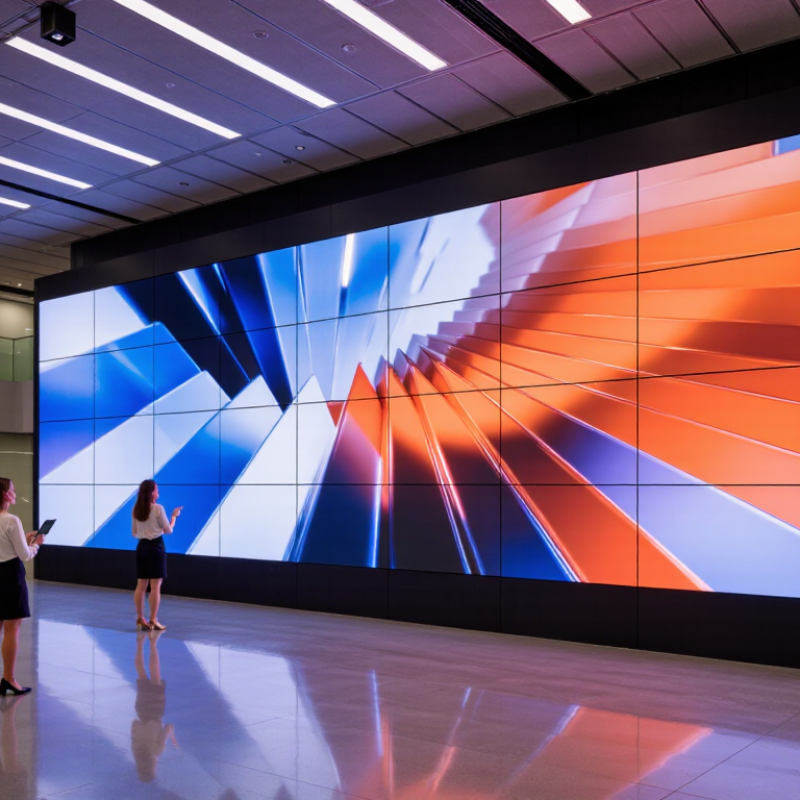
A digital signage LED wall is a large, seamless display built from modular light-emitting diode panels. Unlike LCD signage, it produces its own light and remains visible across wide viewing angles. Each panel contains thousands of pixels, while a sending card and controller manage video, brightness, and color. A media player or cloud platform supplies the content.
In practical installations, pixel pitch matters more than wall size alone. A 1.5 mm pitch suits close indoor viewing, while 3.9 mm or 6 mm often works better in lobbies and retail halls. The wrong pitch can make images look rough, even when the screen is expensive. That is an easy mistake to overlook. Brightness, refresh rate, front access, heat control, and service availability also affect long-term value.
Industry data shows why this category keeps expanding. Grand View Research reported that the global digital signage market reached about USD 27.3 billion in 2022, with an estimated 8.1% compound annual growth rate through 2030. MarketsandMarkets projected the LED display market to grow from roughly USD 7.5 billion in 2023 to USD 11.7 billion by 2028. These figures describe market momentum, not guaranteed performance. Buyers should request brightness tests, cabinet measurements, warranty terms, and real power-consumption records before choosing a supplier. Spec sheets alone are not enough.
How to Compare the Top 10 LED Wall Suppliers
Comparing the top 10 digital signage LED wall suppliers requires more than checking cabinet prices. Start with application fit. Indoor retail walls may need 800–1,500 nits, while outdoor displays often require 5,000 nits or more. Pixel pitch also matters: 1.5–2.5 mm suits close viewing, while 4–10 mm can reduce costs in distant-viewing spaces. The Global Market Insights digital signage report identifies retail, transportation, and hospitality as major demand areas, so suppliers should show relevant installation experience, not only product photos.
Request the same technical sheet from every supplier. Compare brightness consistency, refresh rate, color calibration, front-service access, power consumption, and IP protection. A 3,840 Hz refresh rate is useful for camera-heavy environments, but it does not replace stable grayscale performance.
The U.S. Department of Energy reports that LED technology can reduce lighting energy use substantially, yet total wall consumption still depends on brightness settings and operating hours. Ask for measured power data, not optimistic estimates.
Warranty terms reveal operational maturity. Check spare-parts availability, remote diagnostics, onsite response times, and whether replacement modules match the original batch. MarketsandMarkets values the global digital signage market at tens of billions of dollars, reflecting rapid adoption but also crowded competition. A low quote can still become expensive. I have seen comparisons fail when shipping, control systems, mounting, and maintenance were excluded. That mistake is common. Score each supplier across image quality, lifetime cost, service evidence, and documented test results before choosing.
Essential Features, Specifications, and Services to Evaluate
Choosing among the top digital signage LED wall suppliers requires more than comparing prices. A practical evaluation starts with viewing distance and pixel pitch. Fine-pitch panels suit close indoor viewing, while larger pitches can reduce costs in distant spaces. Check brightness in real conditions, not only showroom lighting. Ask for refresh-rate data, grayscale performance, color uniformity, and cabinet dimensions. These details affect camera capture, text clarity, and installation planning.
Power efficiency deserves close attention. Request maximum and typical power consumption. Confirm heat-management methods, operating temperature ranges, and noise levels. For outdoor installations, inspect the ingress protection rating and cabinet sealing. Front-service access can reduce maintenance time in crowded retail areas. Magnetic modules and accessible power supplies may help, but test their handling before purchase. Small mechanical differences matter.
Service quality often separates dependable suppliers from attractive proposals. Seek documented factory testing, calibration records, spare-part availability, and clear warranty limits. Ask whether technicians support commissioning, content playback, and network troubleshooting. Remote monitoring is useful when alerts identify failed modules before customers notice them. Obtain sample software access first. Some interfaces look impressive but feel slow during daily updates. I once focused too heavily on visual specifications and overlooked replacement logistics. That was a costly assumption. Require a maintenance schedule, delivery timeline, installation drawings, and references from comparable environments. A live demonstration is valuable. It exposes uneven color, flicker, weak connectors, and confusing control systems before payment.
How to Select the Right Supplier for Your Project
Top 10 Digital Signage LED Wall Suppliers to Buy From?
How to Select the Right Supplier for Your Project
Choosing among ten LED wall suppliers requires more than comparing prices. Start with your project conditions: viewing distance, screen size, indoor or outdoor placement, brightness, pixel pitch, and daily operating hours. A reliable supplier should provide clear technical sheets, realistic power data, cabinet drawings, and controller compatibility. Ask for installation photos from similar projects. Better yet, contact those customers directly.
Supplier experience matters when the wall must fit a narrow lobby, curved stage, or bright roadside facade. Check product consistency, spare module availability, calibration procedures, warranty coverage, and response times. Request a sample cabinet before ordering. Inspect its seams, locks, cable routing, and image uniformity. Some suppliers promise fast delivery, but overlook replacement parts. That mistake becomes expensive later. Certification documents and factory quality records also deserve careful review.
Tips: Ask for a detailed quotation, not only a unit price. Separate hardware, shipping, installation, software, maintenance, and taxes. Confirm who handles site measurements and commissioning. Test content using your actual images, including dark scenes and small text. A perfect checklist does not exist. Leave a small budget for unexpected brackets, power changes, or weather protection. Most importantly, judge communication quality before payment. Slow, vague answers may become slower after installation.