What Is the Best Battery Trickle Charger?

A battery can look healthy in the morning and still fail by evening. This often happens after long storage, repeated short trips, or cold weather. A battery trickle charger helps maintain a steady charge without demanding constant attention. However, the best model depends on your battery type, vehicle, climate, and storage routine.

This guide examines practical features that matter in daily use. We consider charging speed, automatic shutoff, voltage compatibility, weather resistance, and cable quality. A charger for a motorcycle may not suit a deep-cycle marine battery. Likewise, a basic maintainer may struggle with a heavily discharged battery. Small details matter. Safety matters more.

Reliable advice should come from specifications, testing, and real ownership experience. We will compare manufacturer guidance with practical observations, including warm connectors, confusing indicator lights, and cables that feel too short. Certified protection against overcharging, reverse polarity, and short circuits deserves close attention. Still, no charger is perfect. Even experienced users can overlook a damaged battery or a poor connection. That is why this review avoids promising one universal winner. Instead, it explains which battery trickle charger fits different needs, budgets, and charging environments.
What Is the Best Battery Trickle Charger?

What Is a Battery Trickle Charger and How Does It Work?

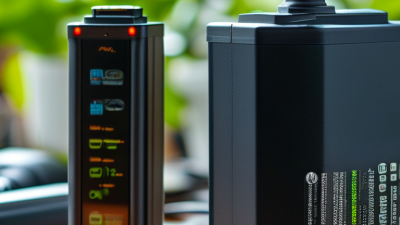
A battery trickle charger is a low-current device designed to maintain a battery over long periods. It supplies electricity slowly, often at a controlled rate below the battery’s normal charging capacity. This helps replace the small amount of power lost through natural discharge and vehicle electronics.

The charger connects to the battery terminals with insulated clamps or a permanent lead. Electricity then moves into the battery through a regulated circuit. In a basic model, charging may continue at a fixed low rate. A smarter charger checks voltage and changes its output automatically. It may reduce current when the battery is nearly full, then provide short maintenance pulses when voltage drops.

This process works well for parked cars, motorcycles, boats, and seasonal equipment. However, a trickle charger is not a fast recovery tool. It cannot reliably repair a deeply discharged or damaged battery. I once assumed a low current meant zero risk, but an unsuitable charger can still cause overheating or battery damage. The battery type must match the charger’s setting, especially for lead-acid, AGM, gel, or lithium batteries.

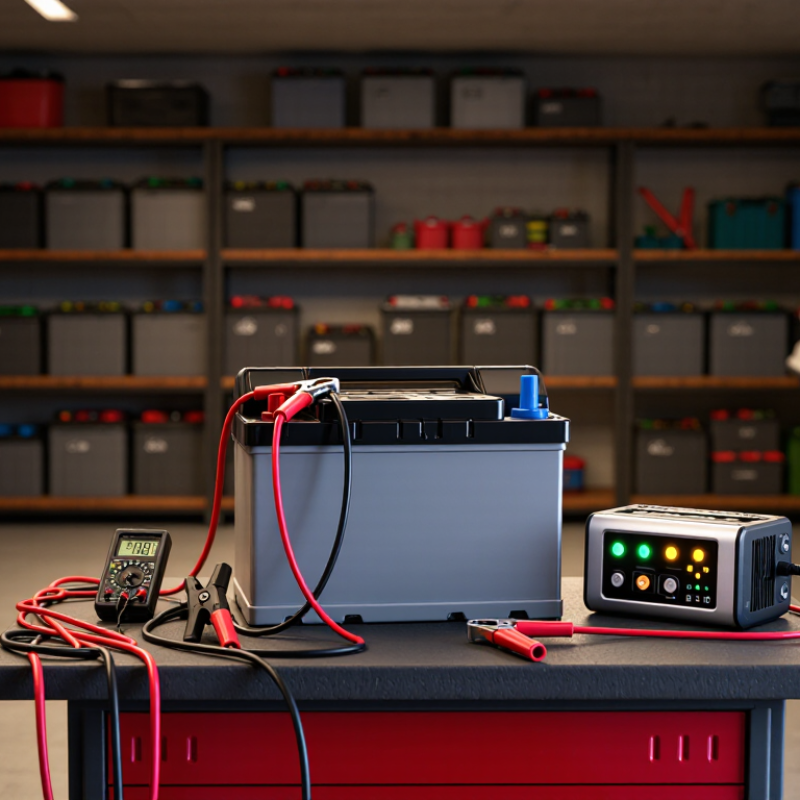
Look for automatic voltage control, reverse-polarity protection, short-circuit protection, and clear charging indicators. A 12-volt battery needs a compatible 12-volt charger. Check the voltage with a multimeter before connecting it. Keep the battery in a ventilated area, inspect swollen cases, and stop charging if the battery becomes hot or smells unusual. Cheap simplicity can be useful, but manual monitoring is easier to forget.

Which Battery Types Can Use a Trickle Charger?

A trickle charger is not automatically suitable for every rechargeable battery. It is most commonly used with 12-volt lead-acid batteries, including flooded, AGM, and gel types. These batteries often support long-term maintenance charging when the charger matches their voltage and charging profile. Check the label.

Flooded batteries may release gas during charging, so ventilation matters. AGM and gel batteries are sealed, but they still require correct voltage control. A charger designed for one lead-acid style may not be ideal for another. Small differences can shorten battery life.

Lithium iron phosphate batteries require more caution. Many need a charger specifically designed for lithium chemistry, with suitable voltage limits and battery-management protection. Continuous trickle charging may be unsuitable for some lithium batteries. Follow the battery maker’s instructions, not assumptions.

Nickel-metal hydride and nickel-cadmium batteries can accept controlled low-current charging in certain applications. However, a general automotive trickle charger is usually not appropriate for them. Their charging behavior differs significantly from lead-acid batteries.

I once assumed “low current” meant “safe for all batteries.” That assumption was too broad. A proper charger considers chemistry, voltage, capacity, temperature, and charging duration. Before connecting one, inspect the battery markings and confirm the charger’s compatibility. If the battery becomes hot, swells, leaks, or smells unusual, disconnect it and seek qualified advice.

What Is the Best Battery Trickle Charger?

Which Battery Types Can Use a Trickle Charger?

A smart trickle charger is generally suitable for flooded lead-acid, AGM, and gel batteries when its charging mode matches the battery chemistry. Lithium iron phosphate batteries should use a lithium-specific charger or maintainer; a conventional lead-acid trickle charger may damage the battery or fail to activate its battery management system.

Rating scale: 2 = suitable with a chemistry-compatible automatic charger, 1 = conditional and requires a lithium-specific charger, 0 = not suitable with a conventional lead-acid trickle charger. These classifications reflect common 12-volt battery charging practice.

What Features Define the Best Battery Trickle Charger?

The best battery trickle charger is defined by control, not simply low current. A quality unit detects battery voltage and switches between charging and maintenance modes. This prevents continuous overcharging, which can dry out flooded lead-acid batteries. Chemistry selection also matters. Lead-acid, AGM, and lithium batteries require different charging profiles. A wrong setting can reduce battery life or create a safety risk.

The ADAC 2024 breakdown statistics reported that starter-battery problems caused 44.1% of roadside failures in Germany. That figure shows why dependable maintenance equipment matters. Look for reverse-polarity protection, short-circuit protection, and automatic shutoff. Temperature compensation is useful in cold garages because charging voltage changes with temperature. An IP-rated housing adds protection against dust and accidental moisture. Independent electrical safety certification is more convincing than vague marketing claims. I have found that clear indicator lights are underrated. Confusing signals cause avoidable mistakes.

Tips: Match the charger to the battery chemistry and voltage before connecting it. Clean corrosion from the terminals first. Keep ventilation available for conventional flooded batteries. Check the battery occasionally, even when the charger is automatic. “Maintenance-free” does not mean risk-free. A 2023 Battery Council International industry report highlights lead batteries’ strong recycling performance, but recyclability does not replace correct charging practice. Smaller chargers may maintain a healthy battery well, yet they cannot repair a sulfated or internally damaged battery. That distinction is easy to miss.

How to Choose a Charger for Your Battery and Vehicle

What Is the Best Battery Trickle Charger?

How to Choose a Charger for Your Battery and Vehicle

The best trickle charger matches both the battery and the vehicle. Check the battery chemistry first. Lead-acid, AGM, gel, and lithium batteries require different charging profiles. A charger designed for one type may damage another. Confirm the battery voltage, usually 6 or 12 volts, before connecting anything. Never guess.

Consider the battery’s capacity and condition. A small motorcycle battery needs less current than a large vehicle battery. For long-term storage, choose an automatic maintainer that reduces current after charging. This helps prevent overcharging. Useful protections include reverse-polarity detection, short-circuit protection, and temperature monitoring. A spark-free connection is also valuable near a vehicle battery. Read the manual carefully. Small details matter.

I check the cable length and connector position before buying. A short lead becomes frustrating beside a parked vehicle. Outdoor use requires weather resistance, but the charger should still stay dry and ventilated. Do not charge a frozen, swollen, or leaking battery. That mistake can become dangerous quickly. I once assumed a low-current charger was always safer, but a damaged battery still behaved unpredictably. That changed my approach: inspect the battery, measure its voltage, and follow the charging instructions. Vehicle alarm systems and other electronics may also drain power during storage. A maintainer can help, but it cannot repair an aging battery.

How to Use a Battery Trickle Charger Safely and Effectively

What Is the Best Battery Trickle Charger?

Choosing the best battery trickle charger starts with chemistry, not price. Lead-acid, AGM, gel, and lithium batteries require different charging profiles. The International Energy Agency reported over 750 GWh of global battery demand in 2023. That growth makes chemistry matching essential. Check the battery label before connecting anything. A charger with automatic float control can reduce overcharging, but it is not foolproof. Read the charging voltage and current on the manual.

Place the battery in a dry, ventilated area. OSHA guidance for industrial battery charging calls for ventilation, designated charging spaces, and ignition control. Keep the charger away from fuel, flames, and metal tools. Wear eye protection when handling flooded lead-acid batteries. Stop immediately if the battery smells sharp, swells, leaks, or becomes unusually hot. Do not charge it.

Connect the red clamp to positive and the black clamp to negative, unless the manual specifies another method. Plug the charger into power only after the clamps are secure. Unplug it before removing them. A multimeter can confirm voltage before and after charging. The U.S. Fire Administration’s 2023 lithium-ion battery safety guidance warns that damaged cells may release flammable gases during thermal runaway. That warning deserves attention, even for small batteries. I used to treat “trickle” as automatically safe. That assumption was careless. Charging slowly can still create heat, sparks, or damage when the settings are wrong.

What Is the Best Battery Trickle Charger? - How to Use a Battery Trickle Charger Safely and Effectively
Charger or Use Category Typical Output Suitable Battery Voltage Common Battery Capacity Primary Purpose Typical Charging or Maintenance Time Important Safety Guidance
Basic Low-Current Trickle Charger Approximately 0.5–2 A Usually 12 V Small to medium lead-acid batteries Slowly replaces a battery’s self-discharge during storage Several hours to several days, depending on battery size and charge level Do not leave connected indefinitely unless the charger is specifically designed for continuous maintenance.
Automatic Battery Maintainer Approximately 0.75–3 A, regulated automatically Usually 6 V or 12 V, depending on the model Small, medium, and vehicle starting batteries Maintains a fully charged battery by switching between charging and monitoring modes Confirm the charger voltage matches the battery. Automatic regulation reduces, but does not eliminate, the need for inspection.
Smart Multi-Stage Charger Approximately 1–10 A, depending on the selected model Commonly 6 V, 12 V, or both Small to large lead-acid batteries Uses stages such as bulk, absorption, float, and sometimes desulfation or reconditioning Often several hours for charging, followed by a float or maintenance stage Use the correct mode for flooded, AGM, or gel batteries. Avoid reconditioning modes unless the battery manufacturer permits them.
Low-Current Charger for Motorcycle or Powersports Battery Approximately 0.5–1.5 A Usually 12 V Approximately 2–30 Ah Maintains smaller starting batteries during seasonal storage Typically overnight for a partially discharged battery; maintenance may continue during storage Use a current suitable for the battery’s capacity. Excessive current can cause overheating or damage.
Low-Current Charger for Automotive Battery Approximately 1–4 A Usually 12 V Approximately 40–100 Ah Slow charging and long-term maintenance of a vehicle starting battery Approximately 12–48 hours for a significantly discharged battery, depending on capacity and charger output Do not use a trickle charger as a substitute for a high-current charger when rapid charging is required.
Flooded Lead-Acid Battery Setting Determined by the charger; low-current maintenance is preferred 6 V or 12 V, depending on the battery bank Varies widely Charges batteries with removable or vented electrolyte caps Depends on battery condition, capacity, temperature, and charger profile Charge in a well-ventilated area. Keep sparks and flames away because charging can produce hydrogen gas. Check electrolyte level only as instructed by the battery manufacturer.
AGM Lead-Acid Battery Setting Determined by the charger’s AGM profile Usually 12 V Small to large AGM batteries Charges sealed absorbed glass mat batteries with a compatible voltage profile Varies by capacity and state of charge Use an AGM-compatible setting. Do not use a flooded-battery setting unless the manufacturer explicitly approves it.
Gel Lead-Acid Battery Setting Determined by the charger’s gel profile Usually 12 V Small to medium gel batteries Charges gel batteries using a lower-voltage-compatible charging profile Varies by capacity and state of charge Overvoltage can permanently damage gel batteries. Select the dedicated gel mode when available.
Lithium Battery Charger Must match the battery manufacturer’s specifications Commonly 12 V nominal lithium systems Varies by battery design Charges lithium batteries using a charger designed for the specific lithium chemistry Varies by battery capacity, charger current, temperature, and battery management system Never assume a lead-acid trickle charger is suitable. Use only a charger approved for the exact lithium chemistry and battery management system.
Battery Storage Maintenance Low regulated current or automatic float maintenance Must match the battery voltage Depends on the stored battery Reduces self-discharge during periods of non-use Can remain connected for extended storage only when the charger is rated for automatic maintenance Inspect the charger, cables, terminals, and battery regularly. Stop charging if the battery becomes hot, swollen, cracked, leaking, or emits an unusual odor.

Safe-use checklist: Verify the battery chemistry and voltage before connection; place the charger on a stable, dry, nonflammable surface; connect the positive lead first and the negative lead second unless the equipment manual specifies another procedure; switch off or unplug the charger before disconnecting; and follow the battery and charger manufacturers’ instructions.

Stay in touch with the latest National Luna Products and News!