Choosing the best 12v fridge freezer in 2026 is about more than finding the biggest box or the lowest price. The right choice depends on how you travel, what you need to keep cold, and how much power your setup can provide. A compact unit may suit weekend trips, while longer stays often call for more storage and dependable temperature control.
Picture opening the tailgate after a warm drive: drinks are chilled, food is safely packed, and the battery still has room to spare. That balance matters. So do practical details, such as basket layout, lid access, compressor noise, and the space available in your vehicle. Small things. They can shape an entire trip.
This guide explains how to compare leading options using clear, useful criteria, including capacity, cooling performance, energy use, portability, and value. It also distinguishes manufacturer specifications from features that matter in everyday use. A large capacity sounds appealing, but it may be wasted space for two people. Likewise, a low power figure on a product page does not tell the whole story; ambient heat, settings, and ventilation can change real-world consumption. There is no perfect model for everyone, and product claims deserve a closer look. Use the comparisons ahead to identify a 12v fridge freezer that fits your travel habits, power system, and budget—not just the most impressive specification sheet.
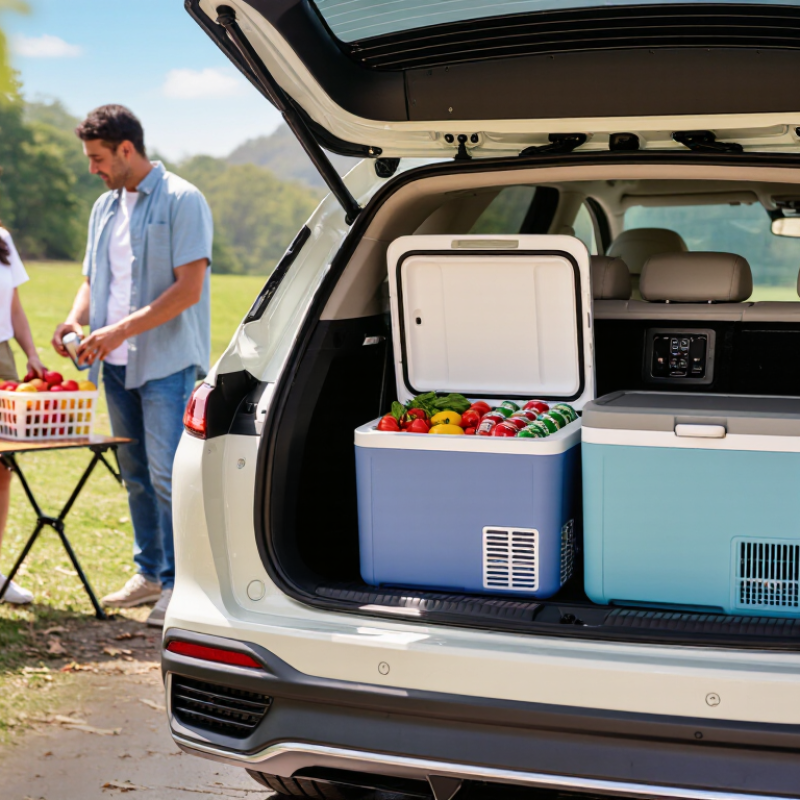
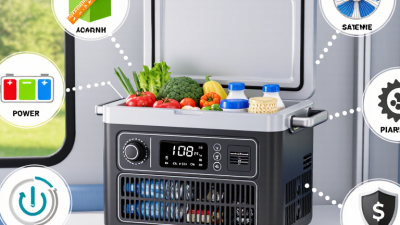
A 12V fridge freezer uses a compressor to move heat from its insulated cabinet into the surrounding air. Unlike an ice cooler, it actively maintains a set temperature. Ventilation matters. Leave space around its vents, and avoid placing it in direct sun when possible. Check the manual. Different models vary in airflow needs and temperature control.
Most units run from a vehicle outlet, a separate battery, or a compatible solar setup. The compressor cycles on and off, so power use changes with heat, settings, and how often the lid opens. On a warm afternoon, repeated access can make the unit work harder. A published runtime is a starting point, not a promise. Battery estimates can disappoint if they ignore other devices drawing power.
This type of fridge freezer can suit campers, van travelers, boat users, and people who need reliable chilled food away from home. It may be excessive for a short picnic, where a simple cooler is easier to carry. Before choosing, measure the storage space and consider how long you will be without charging. The right capacity is not always the largest one; a bulky unit can crowd a small vehicle.
| Type or Setup | How It Works | Typical Cooling Capability | Power and Battery Considerations | Best Suited To | Main Trade-Off |
|---|---|---|---|---|---|
| 12V Compressor Fridge Freezer | A motor-driven compressor circulates refrigerant through a cooling cycle, removing heat from the insulated cabinet. Many units can be set to refrigerator or freezer temperatures. | Can chill food and, when designed for it, freeze food. Temperature settings and usable capacity vary by model. | Usually the most practical option for battery operation. Energy use depends on capacity, set temperature, ambient heat, ventilation, insulation and how often the lid is opened. | Most campers, van travelers, boaters and people needing reliable cooling away from mains power. | Costs more than basic coolers and needs a suitable power source, ventilation and sensible battery planning. |
| Single-Compartment Compressor Unit | Uses the same compressor refrigeration cycle, with one main compartment and a user-selected temperature. | Can usually operate as a fridge or freezer, but generally cannot maintain separate fridge and freezer temperatures at the same time. | One compartment can make temperature management straightforward. Actual consumption varies with use and conditions; check the maker’s energy figures and test conditions. | Solo travelers, couples and users who mainly need either refrigerated food or frozen food at one time. | Less flexible than a dual-zone layout when both chilled and frozen items are needed together. |
| Dual-Zone Compressor Unit | One insulated cabinet is divided into two independently controlled areas; the refrigeration system design determines how each zone is cooled. | Can provide a fridge zone and a freezer zone simultaneously when the unit’s temperature range and configuration support it. | Running two zones can require more energy than cooling a single zone, particularly in hot weather or at low freezer settings. | Long trips, families and travelers carrying both fresh food and frozen supplies. | Often larger and heavier, and the two zones may share capacity or cooling resources. |
| Absorption Cooler with 12V Mode | Uses heat to drive an absorption refrigeration cycle rather than relying on a motor-driven compressor. Some models accept 12V, mains electricity or gas, depending on their design. | Cooling performance depends strongly on the model and surrounding temperature. Many absorption coolers are intended for chilling rather than dependable deep-freezing. | 12V electric operation can draw power continuously and may use a substantial amount of vehicle-battery energy. Check the specified input and operating guidance. | Users with a suitable gas supply or dependable mains power, and trips where vehicle-battery use is limited. | Generally less suitable for extended 12V battery-only use than a well-insulated compressor unit. |
| Thermoelectric Cooler | Uses a thermoelectric module to move heat from one side of the module to the other; it does not use a compressor refrigeration cycle. | Typically cools below the surrounding air temperature rather than holding a precise refrigerator temperature. Many models cannot freeze food. | Often runs while switched on, so energy use can add up over time. Cooling effectiveness decreases as ambient temperature rises. | Short drives, day trips and keeping drinks or snacks cooler than the cabin. | Not a dependable choice for frozen food or temperature-sensitive supplies in hot conditions. |
| Portable Compressor Freezer | Uses a compressor cycle and is configured primarily for low-temperature storage; many models also allow a warmer refrigerator setting. | Suitable for frozen goods when the unit’s stated temperature range supports the required setting. | Lower set temperatures and hot surroundings can increase runtime and energy use. Allow for battery capacity, wiring and any low-voltage protection settings. | Fishing, remote travel and trips where frozen food or ice storage is a priority. | Using it mainly as a fridge may provide less flexibility or capacity than a dedicated refrigerator-style layout. |
Selection note: For most people who need dependable refrigeration or freezing from a 12V battery, a compressor model is the strongest all-round choice. Compare usable capacity, temperature range, stated energy use, insulation, ventilation needs, battery protection and warranty terms. Performance and power use vary by model and operating conditions; verify specifications before purchase.