China Best Ice Maker How to Choose the Right Supplier?

Choosing a reliable China ice maker supplier requires more than comparing factory prices. It calls for practical research, technical questions, and careful verification. A supplier may show polished product photos, yet the real test begins with production details, sample performance, and after-sales response.

Look closely at the machine’s daily output, ice shape, cooling system, water filtration, and power requirements. A commercial ice maker should produce consistent ice in changing temperatures and busy working conditions. Request test videos, factory documentation, and a sample unit when possible. Check whether the supplier has experience serving hotels, restaurants, supermarkets, or catering businesses. Their previous projects can reveal more than a sales brochure.

Communication matters too. Ask how quickly replacement parts can arrive and who handles technical support. Confirm materials, warranty terms, packaging strength, and inspection procedures before placing an order. A dependable supplier should answer clearly, not hide behind broad promises. Small details matter.

However, no checklist is perfect. A spreadsheet may miss factory discipline, worker training, or how honestly problems are reported. An impressive showroom can still conceal weak quality control. Personal calls, video inspections, and independent product testing add useful evidence. I have learned that the cheapest quote often creates expensive uncertainty later. The right partner offers stable quality, transparent communication, and practical support for the machine’s entire working life. That choice may take longer, but it protects performance, customer satisfaction, and long-term operating costs.
China Best Ice Maker How to Choose the Right Supplier?

Define Your Ice Maker Requirements and Purchasing Goals

Before comparing ice maker suppliers in China, define where the machine will work and how much ice you actually use. A café serving iced drinks needs steady daily output; a seafood counter may need larger, denser cubes. Record peak demand, not just the quiet-day average. Be specific.

Check the available space, water supply, drainage, and electrical capacity. Measure doorways and counters, too. A machine that fits on paper may be difficult to install. Decide whether you need cubed, flake, or nugget ice, and note the preferred storage capacity. These details help suppliers recommend suitable models instead of simply quoting the largest unit.

Set clear purchasing goals before requesting prices. Consider your target budget, expected operating hours, cleaning routine, and acceptable downtime. Ask suppliers for rated output under stated ambient and water temperatures; real conditions can change production. Request details on materials, installation support, spare parts, and warranty coverage. Compare total ownership costs, not only the quoted price. Your first demand estimate may be off, and that is worth revisiting before you place an order. A simple worksheet with daily demand, peak periods, site measurements, and service expectations makes supplier replies easier to verify.
Evaluate China Ice Maker Suppliers by Product Quality and Certifications

A reliable China ice maker supplier should be judged by the machine itself, not a polished catalogue. Ask for the exact model’s specifications, including ice output at stated water and room temperatures. Compare those figures with your expected daily demand. Details matter. Check welds, panel gaps, wiring protection, and whether the drainage connections feel secure. A sample unit can look excellent while revealing little about long-term consistency, so request production photos or a live factory inspection when practical.

Certifications need careful checking. Request current documents and confirm that the issuing body, product category, and model number match the machine you plan to buy. A certificate for a different model is not enough. Ask what tests were performed and whether the documents cover components that contact water or ice. Requirements can vary by destination, so confirm applicable standards with your importer or a qualified compliance professional. Do not rely on a logo printed in a brochure.

Quality also shows in the records behind the product. Ask for inspection reports, routine performance test results, and written warranty terms. Clarify how the supplier handles replacement parts, response times, and recurring faults. A small detail, like a poorly explained cleaning procedure, may become a daily inconvenience. I would not treat one successful sample as a final verdict; repeated checks across production batches offer stronger evidence. Conversely, paperwork alone cannot prove every unit will perform well.

Compare Manufacturing Capacity, Customization, and Technical Support

Choosing the best China ice maker supplier requires more than comparing prices. Manufacturing capacity should be measurable. Ask for daily output, factory floor area, testing equipment, and recent delivery records. A serious supplier can explain compressor testing, water-flow control, and quality checks without vague promises. Production scale matters when seasonal demand suddenly rises.

Customization should fit the application, not just the catalogue. Confirm ice type, output per 24 hours, storage-bin size, voltage, drainage, and available installation space. Ask whether the supplier can adjust condenser design for hot climates or hard water. According to the U.S. Environmental Protection Agency’s commercial ice machine specification, qualified equipment can use about 15% less energy and 10% less water than standard models. Those figures make efficiency testing worth requesting. They do not guarantee savings in every facility.

Technical support is often the overlooked cost. Request installation drawings, error-code guidance, spare-parts lists, and response times before signing. The AHRI Standard 810 framework measures ice-making capacity and energy performance under defined conditions, helping buyers compare test results fairly. In practical audits, I would also inspect wiring, insulation, weld quality, and drainage access. A polished showroom can hide weak service. Suppliers should provide training videos and remote troubleshooting in clear English. This sounds basic. It is not always delivered. Keep a sample machine running through a full production cycle; one short factory demonstration cannot expose every failure.

How to Choose an Ice Maker Supplier

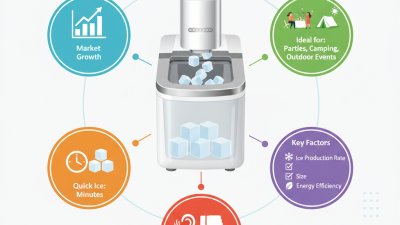
Suggested evaluation weights for comparing suppliers: manufacturing capacity and product quality receive the highest emphasis, followed by customization and technical support. These are decision-making guidelines, not measured industry averages. Verify each supplier’s claims with production records, product specifications, compliance documents, and service commitments.

Review Pricing, Minimum Orders, Lead Times, and Shipping Terms

China Best Ice Maker: How to Choose the Right Supplier?
Review Pricing, Minimum Orders, Lead Times, and Shipping Terms

When comparing ice maker suppliers in China, check what each price actually includes. Ask whether the quote covers the machine, accessories, packaging, and any requested configuration. Request a written quotation with model details and payment stages. A low unit price can look attractive, but it may exclude useful parts or export packaging. Small details matter.

Tips: Compare quotes line by line, not just by total cost. Check the minimum order quantity and ask whether a sample order is possible. Confirm production time in writing, and leave room for delays. Plans change.

Before placing a larger order, ask how the supplier handles inspection and production updates. A clear lead-time estimate should separate manufacturing from shipping. I would not assume “ready to ship” means the goods are already packed; confirm the status with dated photos or records. This is easy to overlook. Also clarify shipping terms, the named delivery point, and which party arranges freight, insurance, and customs documents. Ask for estimated freight costs and the documents provided, then compare the full landed cost rather than the machine price alone.

Verify Supplier Reliability Through Samples, Audits, and Contracts

China Best Ice Maker: How to Choose the Right Supplier?

Verify Supplier Reliability Through Samples, Audits, and Contracts

A supplier’s promises matter less than a machine you can inspect. Request a production-representative sample and test it with the water and room temperature you expect at your site. Record ice output, cycle time, noise, and melt rate over several cycles. One impressive batch proves little. Ask how results change during longer operation, and request the test conditions in writing. I have seen small differences in water pressure affect output, so check your own setup too.

Tips: Photograph the sample, note serial numbers, and compare delivered units against the approved specifications. Keep test notes; memory gets fuzzy.

An on-site or independent factory audit can help confirm equipment, quality checks, and spare-parts processes. Ask to see inspection records and how staff handle failed tests. A tidy tour is useful, but it is not proof of consistent production. Contracts should identify the exact model, materials, output range, acceptance tests, packaging, delivery milestones, warranty process, and replacement-part availability. Put agreed sample results into the specification. Vague wording can create friction later. I would also clarify who pays for reinspection if a shipment misses the agreed criteria. These checks take time, and they may not catch every problem, but they make supplier claims easier to verify.

China Best Ice Maker: How to Choose the Right Supplier? Verify Supplier Reliability Through Samples, Audits, and Contracts

Evaluation Area What to Verify How to Check Practical Acceptance Criteria Warning Signs
Product sample Ice type, dimensions, materials, controls, and included accessories match the proposed specification. Request a production-representative sample and compare it with the written quotation, drawings, and specification sheet. Key components, configuration, and documented specifications agree; any sample-to-production differences are recorded and approved. A demonstration unit is offered without a clear explanation of how it differs from the production model.
Performance testing Daily ice output, cycle consistency, bin capacity, water use, and operating conditions. Run the sample under documented ambient temperature, inlet-water temperature, voltage, and water-pressure conditions; record test duration and results. Measured results are compared with the supplier’s stated figures under equivalent conditions, with test conditions and methods recorded. Output claims are presented without test conditions, or results are based only on a short demonstration.
Materials and hygiene Food-contact components, water pathways, drainage, cleaning access, and corrosion resistance appropriate to the intended use. Review material declarations, component specifications, cleaning instructions, and relevant food-contact documentation for the destination market. Materials and documentation are consistent with applicable requirements in the intended market; routine cleaning points are accessible. Material descriptions are vague, or food-contact claims cannot be supported with documents.
Electrical and safety documentation Electrical ratings, wiring protection, grounding, and required conformity documents for the target market. Check the rating label, wiring information, test reports, and certificates; verify scope, model coverage, issuing body, and validity where applicable. Documents correspond to the quoted model and intended market; applicable requirements are confirmed before order placement. Documents refer to a different model, market, or product category, or cannot be independently checked.
Factory audit Production capability, incoming inspection, assembly controls, final testing, and staff responsibility for quality. Conduct an on-site or independent remote audit; review process flow, inspection records, equipment, and a sample of completed production records. Documented checks cover critical stages, nonconformities have recorded corrective actions, and production capacity is consistent with the order plan. Inspection records are unavailable, testing is performed inconsistently, or subcontracted processes are not disclosed.
Quality control and traceability Incoming component checks, in-process inspections, final functional tests, and batch or serial-number records. Ask for inspection checklists and a traceability example linking a finished unit to its production and component records. Inspection criteria are defined, results are retained, and units or batches can be identified for investigation and service. Quality decisions depend only on visual checks, with no retained test results or traceability process.
Service and spare parts Warranty scope, troubleshooting support, replacement-part availability, and service response process. Request the written warranty, parts list, recommended maintenance schedule, and procedure for reporting and resolving defects. Coverage, exclusions, claim process, and responsibility for parts and labor are clearly stated for the destination market. Warranty terms are verbal, exclusions are unclear, or commonly serviceable parts have no defined supply plan.
Contract and order controls Model and specification, approved sample, quantity, price, delivery schedule, inspection rights, payment milestones, and remedies for nonconformity. Ensure the purchase contract and appendices include the final specification, drawings, packaging details, acceptance process, and change-control procedure. Requirements and responsibilities are written and measurable; changes require written approval, and inspection or corrective-action steps are defined. Important requirements remain in informal messages, or the supplier can change components or specifications without approval.

Stay in touch with the latest National Luna Products and News!