What Are Fridge Specials and How Do They Work?
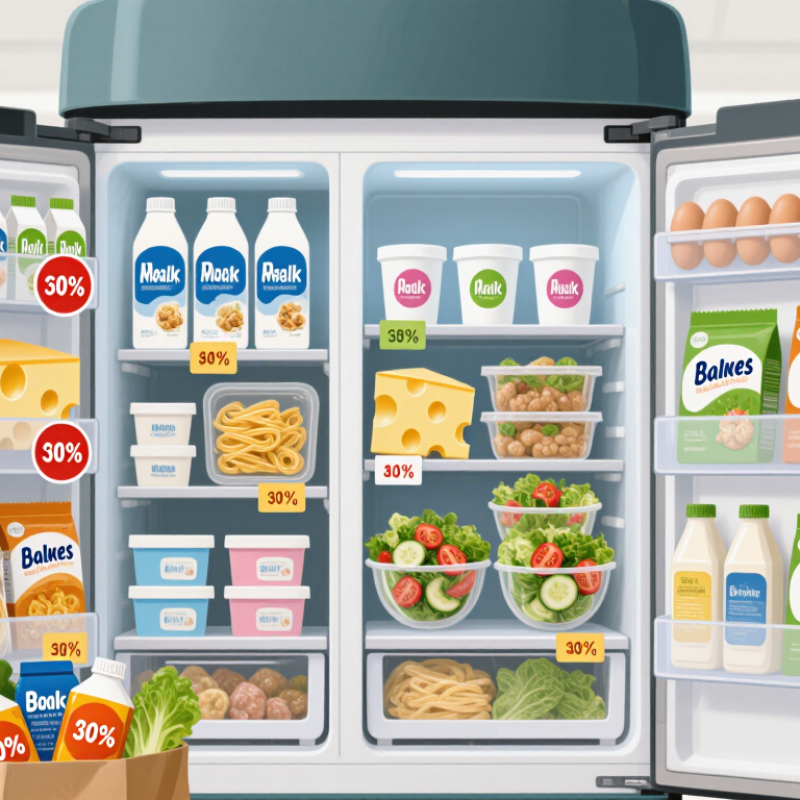
Fridge specials are temporary deals on chilled products such as milk, yogurt, cheese, fresh pasta, ready meals, and prepared salads. Stores may discount these items during a weekly promotion, as part of a bundle, or when products are close to their use-by date. The exact meaning varies by retailer. A bright sticker does not always mean the lowest price.
These offers work through changing prices, limited stock, and clear sale periods. A shelf label or store app usually shows the deal, its conditions, and sometimes a loyalty-card requirement. Check the price per unit, package size, and date before buying. A larger tub may cost less per gram, while a marked-down pack may need to be eaten or frozen sooner. Keep chilled food cold on the journey home, and follow the storage instructions on its packaging. Simple checks help.
This guide explains how fridge specials are selected, displayed, and priced, and what shoppers should look for before adding them to a basket. It also considers why stores use these promotions and how customers can compare them without rushing. Not every special is a bargain. Product quality, household needs, and realistic use matter too. A discount can feel appealing beside a crowded refrigerator, yet food wasted later is no saving. Understanding the small print makes the offer easier to judge—and helps reveal when a deal is less useful than it first appears.
What “Fridge Specials” Means in Retail
What Are Fridge Specials and How Do They Work?
In retail, “fridge specials” usually means discounted products kept in refrigerated cases. These may include dairy, prepared meals, meat, or chilled drinks. The phrase describes a store promotion, not a special type of refrigerator. Items might be reduced because they are nearing their best-before date, because the store has excess stock, or because a seasonal promotion is ending. Practices vary by retailer.
Look for a marked shelf label or a discount sticker on the package. A tub of yogurt, for example, might cost less when its date is close. Check the date, packaging, and price before buying, and make sure the item stays cold on the way home. A low price does not automatically mean poor quality, but it may leave less time to use the product. Labels can also be easy to misread when several discounts overlap. I’ve found that a quick second look at the checkout price can prevent surprises.
Tips: Buy only what you can use in time. Compare the unit price, not just the sticker discount. Keep chilled items cold, and follow the storage instructions on the package. If the seal is damaged or something seems unusual, skip it.
How Stores Select Products for Fridge Specials
Stores usually choose fridge specials by balancing customer demand, stock levels, freshness, and available shelf space. A manager may review recent sales, upcoming holidays, weather, and seasonal buying habits. For example, warm days can increase interest in chilled drinks, while a local event may boost demand for party foods. These patterns help, but they are not perfect forecasts.
Suppliers may also offer temporary price reductions, making certain products more suitable for promotion. Stores consider delivery schedules and use-by dates so discounted items can sell while they remain fresh. They must also check that refrigerators can hold the extra stock at the required temperature. A good offer can still disappoint if the shelf is empty by afternoon. Plans sometimes miss the mark. Staff feedback and daily sales checks help stores adjust quantities or change displays.
Tips: Compare the special’s price with similar products, and check the date before buying. Look for intact packaging and properly chilled shelves. Choose only what you can use in time.
What Are Fridge Specials and How Do They Work?
How Stores Select Products for Fridge Specials
Refrigerated storage windows can help explain why freshness and stock rotation matter when stores plan promotions. This chart shows the upper end of USDA-recommended refrigerator storage ranges for selected fresh foods.
USDA guidance assumes a refrigerator temperature of 40°F (4°C) or below. Actual promotional choices vary by store and may also depend on inventory, customer demand, and timing.
How Special Prices and Promotions Are Applied
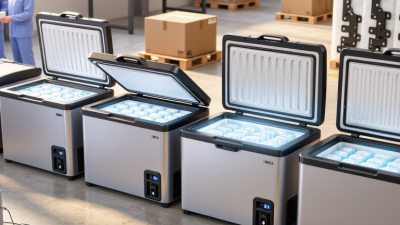
Fridge specials are temporary offers applied to selected models, sizes, or stock. The reduced price may appear on a shelf label, online listing, or checkout screen. Check the offer dates and the exact model number; two similar-looking refrigerators may have different prices. Some promotions require buying another appliance or meeting a minimum spend. Others apply automatically. Not always. A discount shown in an advertisement may exclude delivery, installation, or removal of an old appliance.
At checkout, the store’s system usually checks whether the item qualifies and deducts the promotion from its current selling price. For example, a fridge marked at $900 might receive a $100 discount, while a bundle offer may require a second eligible appliance in the same order. Read the conditions before paying. Look for limits on stock, delivery areas, and whether sale prices can be combined with other offers. The wording can be easy to misread, especially when a displayed price depends on a voucher or membership. Keep a screenshot or receipt, and ask staff to confirm the final amount, including delivery fees, before arranging a delivery slot.
Where Shoppers Find and Purchase Fridge Specials
Fridge specials are usually discounted chilled foods displayed in marked-down sections, often near the dairy aisle, prepared-food counter, or store entrance. Look for yellow or red shelf labels, reduced-price stickers, and small end-cap chillers. Some grocers also list short-dated items in their apps or online clearance sections. Availability can change by hour, so ask staff when reductions are usually made. A quick scan helps.
Check the use-by or best-before date, packaging, and unit price before buying. Keep chilled items cold on the journey home, and follow the storage instructions on the label. ReFED’s 2024 U.S. Food Waste Report estimates that about 88 million tons of food became surplus in 2022, roughly 38% of the food supply. That figure describes a broad system problem; it does not mean every discounted item would otherwise be wasted. Still, choosing food you can use soon may help prevent waste at home.
Digital listings can make bargains easier to find, but they may not show every in-store reduction. PwC’s 2024 Voice of the Consumer Survey found that 46% of respondents said they were buying more sustainable products to reduce their environmental impact. The survey was not limited to grocery shopping, so treat it as context, not proof of why shoppers choose fridge specials. Check nearby stores, compare the final price, and buy only what fits your meal plans. Even a bargain can become waste.
What Affects the Availability of Fridge Specials
Fridge specials are temporary price offers on chilled foods, and their availability can change from one day to the next. They often depend on how much stock a shop receives, what has sold, and how much display space is free. A delivery may arrive late, or a popular item may sell out before the evening. Timing matters.
Demand also shifts with the season and local routines. Salad ingredients may move quickly during warm weather, while soups and cooking vegetables can attract more interest in colder months. Shops may reduce prices on products approaching their quality date, but only when stock levels and store policies allow. A markdown is not guaranteed just because an item is close to that date. It varies.
The particular branch matters, too. One shop may have extra yogurt after a large delivery, while another has none to discount. Staff usually balance freshness, incoming stock, and shelf space; those decisions can differ even between nearby locations. Checking the chilled section early can reveal more choice, though offers may appear later as stock is reviewed. I would not plan a full meal around a special until the item is actually on the shelf. Availability estimates are imperfect, and posted offers may not reflect every local change.