What Is a Portable Refrigerator and How Does It Work?

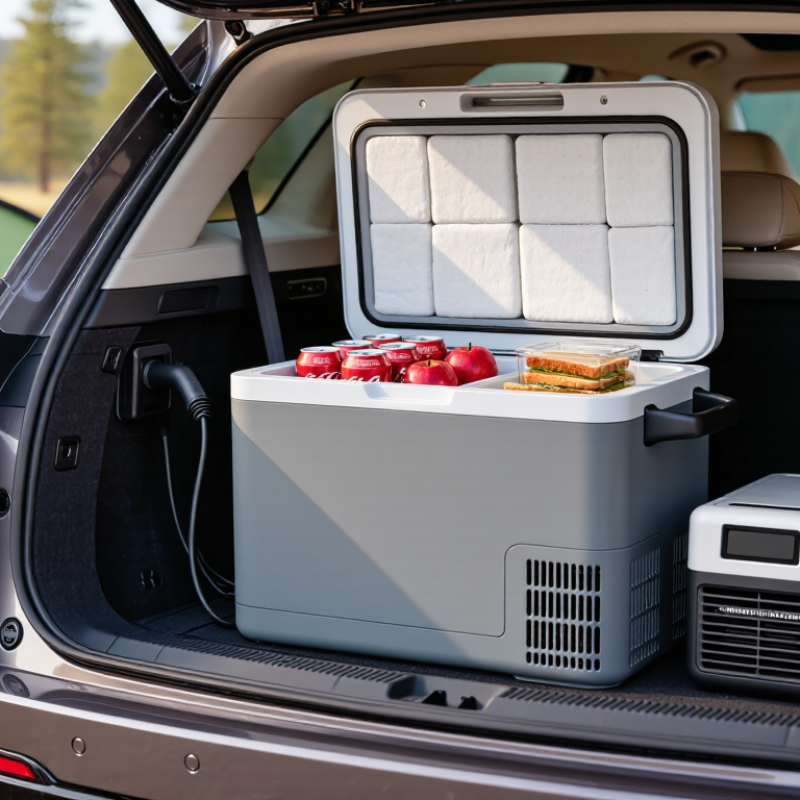
A portable refrigerator is more than a small box that makes food cold. It is a compact cooling system designed for vehicles, boats, campsites, work vans, and emergency storage. Unlike an ordinary cooler, it uses electricity and a refrigeration cycle to remove heat from an insulated compartment.

Refrigeration engineer Dr. Michael O. McLinden explains the basic principle clearly: “Refrigeration is not about creating cold; it is about moving heat.” This idea makes the technology easier to understand. A compressor pressurizes refrigerant gas and raises its temperature. The hot refrigerant then releases heat through external condenser coils. After passing through an expansion device, it becomes colder. Inside the cabinet, it absorbs heat from food, drinks, or medicine. The cycle repeats continuously.

That process sounds simple.

In real use, performance depends on several details. Thick insulation reduces heat entering the cabinet. A tight lid prevents warm air from leaking inside. Ventilation around the compressor helps the system release heat. A 12-volt model may run from a vehicle battery, while some units also accept household power or solar energy.

A practical example is a road trip. Opening the lid repeatedly can raise the internal temperature quickly. Placing warm cans inside creates an additional cooling burden. The refrigerator may still work, but it will consume more energy.

Not every claim is equally reliable. Cooling speed, battery life, and temperature stability vary between models. This guide examines how a portable refrigerator works, what its components do, and where real-world expectations may need adjustment. Understanding those limits helps buyers choose safer, more efficient equipment.
What Is a Portable Refrigerator and How Does It Work?

Definition and Purpose of a Portable Refrigerator

A portable refrigerator is a compact cooling appliance designed for travel, outdoor work, and temporary food storage. Unlike an insulated cooler, it actively removes heat from its interior. Most models use a compressor, similar to a household refrigerator, to circulate refrigerant through a sealed system. Some smaller units use thermoelectric technology, which transfers heat electronically. The cooling method affects temperature stability, energy use, noise, and performance in hot weather.

Its main purpose is to keep food, drinks, or temperature-sensitive supplies cool without relying on melting ice. A portable refrigerator can run from a vehicle outlet, rechargeable battery, or household socket. It may support separate cooling zones, digital temperature controls, and low-voltage protection. In practical use, keeping the unit level helps the compressor work properly. Good ventilation around the exterior also prevents unnecessary heat buildup.

It is not magic. A warm unit needs time to cool. Placing hot food inside increases power consumption and slows cooling. For many perishable foods, maintaining 4°C or below is a useful safety target, but users should follow local food-storage guidance. I once underestimated how quickly a parked vehicle heats up; the refrigerator consumed more energy while fighting that heat. Battery capacity, ambient temperature, cable quality, and opening frequency all affect operating time. Condensation can also appear inside. Check temperatures with a separate thermometer when accuracy matters.

What Is a Portable Refrigerator and How Does It Work? - Definition and Purpose of a Portable Refrigerator

Data Dimension Typical Information Purpose or Practical Meaning
Definition A movable, electrically powered cooling appliance designed to store food, drinks, or temperature-sensitive supplies. Provides refrigeration where a fixed household refrigerator is unavailable or inconvenient.
Main Cooling Method Most full-featured portable refrigerators use a compressor-based refrigeration system. The compressor circulates refrigerant through a sealed system to remove heat from the insulated compartment.
Cooling and Freezing Range Common operating ranges are approximately 20°C to −20°C (68°F to −4°F), depending on the design and ambient conditions. Allows the unit to function as a refrigerator, beverage cooler, or freezer.
Typical Capacity Approximately 10–60 liters, with compact, medium, and large configurations available. Capacity determines how many meals, bottles, or containers can be stored during travel or outdoor activities.
Power Sources Common inputs include 12-volt or 24-volt direct current and 100–240-volt alternating current through a suitable adapter. Supports use in vehicles, campsites, homes, offices, boats, and recreational vehicles.
Typical Power Consumption Many compressor units draw about 40–70 watts while the compressor is running; average consumption varies with temperature and insulation. Actual battery duration depends on ambient temperature, set temperature, ventilation, loading, and compressor duty cycle.
Temperature Control An electronic control panel or digital display is commonly used to set and monitor the internal temperature. Helps users maintain a suitable temperature for chilled or frozen contents.
Insulation Rigid foam insulation is commonly used in the walls, lid, or cabinet. Reduces heat transfer, improves temperature stability, and helps lower energy use.
Portability Features Common features include carrying handles, wheels, recessed grips, or tie-down points. Makes the refrigerator easier to transport and secure during movement.
Battery Protection Many units include selectable low-voltage protection for vehicle batteries. Helps prevent excessive discharge when the refrigerator is connected to a vehicle electrical system.
Cooling Performance Factors Performance is affected by ambient temperature, ventilation, direct sunlight, lid openings, and the amount of warm food loaded. Proper placement and limited lid opening improve cooling speed and energy efficiency.
Common Applications Road trips, camping, boating, tailgating, emergency food storage, mobile work, and outdoor events. Provides flexible cold storage away from a permanent kitchen or power outlet.
Key Difference from an Ice Cooler A portable refrigerator actively removes heat using electricity, while an ice cooler relies on pre-cooled ice or frozen packs. A powered refrigerator can maintain a selected temperature for extended periods as long as an adequate power source is available.

Note: Figures shown are typical ranges for portable compressor refrigerators. Actual performance varies by model design, load, ambient temperature, insulation, and power conditions.
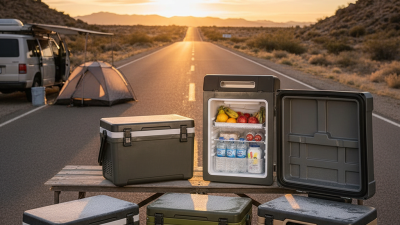
Main Components and Their Functions

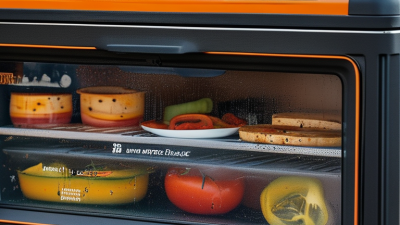
A portable refrigerator uses a compact cooling system to remove heat from an insulated storage compartment. Its compressor is the working core. It pressurizes refrigerant and sends it through the cooling circuit. The condenser releases heat outside the cabinet. You may feel warm air near its ventilation area. The refrigerant then reaches the evaporator, usually placed behind an interior wall. There, it absorbs heat and becomes cold. A small fan may circulate air, although some models rely on natural airflow.

The thermostat measures the internal temperature with a sensor. It switches the compressor on or off according to the selected setting. This control protects food from unnecessary temperature changes and reduces energy use. The insulation slows heat transfer, while the lid gasket limits warm air entering around the seal. Even a small gap can increase running time. The power module converts electricity from a wall outlet, vehicle socket, or battery into the correct operating current. Some units include a low-voltage protection circuit, which helps prevent a vehicle battery from becoming fully drained.

Keep ventilation openings clear. Heat cannot escape through blocked vents. A practical check involves placing a thermometer inside, because the displayed setting may not match every storage area. Cooling also becomes slower in direct sunlight or very hot surroundings. The system is efficient, but not perfect. Frequent lid opening still adds heat, even when the compressor is working normally.

How a Portable Refrigerator Cools Its Interior

What Is a Portable Refrigerator and How Does It Work?

How a Portable Refrigerator Cools Its Interior

A portable refrigerator removes heat from its storage compartment. It does not create cold air from nothing. In most models, a compressor presses refrigerant into a high-pressure, hot gas. The gas moves through condenser coils and releases heat outside the cabinet. It then becomes a liquid.

The liquid passes through a narrow expansion device. Pressure drops quickly, and the refrigerant becomes cold. Inside the cabinet, it flows through an evaporator coil. This coil absorbs heat from the air and stored food. A fan may circulate that air, although some compact units rely on natural movement. The compressor repeats this cycle when an internal sensor detects rising temperatures.

Insulation slows heat entering through the walls. A flexible lid seal matters too. Even a small gap can make the compressor run longer. I once placed warm drinks beside chilled food, and the interior temperature climbed noticeably. Pre-chilling helps, but it is not always practical. The cooling system also needs open space around its exterior vents. Without airflow, released heat can build up and reduce performance.

Some portable refrigerators use thermoelectric cooling instead of a compressor. They transfer heat through a solid-state module, making less noise but often cooling less efficiently. Their performance can weaken in hot surroundings. Temperature readings may also differ between the air, a shelf, and the center of a food container. That detail is easy to overlook.

Power Sources, Temperature Control, and Energy Use

A portable refrigerator is an insulated box with an active cooling system. Most models use a compressor, while smaller units may use thermoelectric cooling. A compressor removes heat from the compartment and releases it outside. Thermoelectric designs move heat through a semiconductor plate, but they usually consume power less efficiently.

Power can come from a vehicle’s 12- or 24-volt socket, a household AC adapter, or a battery connected to solar input. The control panel measures internal temperature with a sensor. When the temperature rises above the selected setting, the compressor starts. Better insulation reduces how often this happens.

The U.S. Department of Energy reports that efficient full-size refrigerators can use about 350–400 kWh annually, although portable units have different test conditions. Size, ambient heat, ventilation, and opening frequency matter more than many advertisements suggest.

Energy calculations need caution. A 45-watt compressor running continuously would require about 1.08 kWh daily, but real duty cycles vary widely. In a shaded vehicle, it may run intermittently; under direct summer sun, it may run much longer. The International Energy Agency’s 2018 Future of Cooling report projects global cooling demand could triple by 2050, highlighting the cost of inefficient cooling. A practical measurement with a watt meter is more reliable than a label alone. Batteries also lose usable energy through conversion, especially with older systems. Small details matter.

Common Types, Applications, and Maintenance Needs

A portable refrigerator is a compact cooling unit designed for vehicles, campsites, boats, and temporary work areas. Most models use compressor cooling, similar to a household refrigerator. The compressor circulates refrigerant, removes heat from the storage compartment, and releases it outside. Thermoelectric models use an electrical heat-transfer module instead. They are quieter, but usually less effective in hot weather. Absorption units can operate with electricity or gas, although ventilation becomes important.

Applications differ by cooling method. Compressor units suit long road trips, medical transport, and outdoor kitchens because they can reach stable low temperatures. Thermoelectric units work better for short journeys and drinks. In practice, direct sunlight can overwhelm a small cooler. That detail is easy to underestimate. The International Energy Agency’s The Future of Cooling reports that cooling uses nearly 10% of global electricity, so insulation and efficient operation matter. A thick lid, limited opening, and pre-chilled food can reduce energy demand.

Maintenance is simple, but not optional. Keep the ventilation grille clear of dust, wipe spills quickly, and inspect the door seal for gaps. USDA Food Safety and Inspection Service guidance places refrigerated food at 40°F (4°C) or below. Use a separate thermometer because the displayed setting may be inaccurate. Battery performance also changes in cold conditions. I have found that users often blame the refrigerator when the real problem is a weak cable, poor airflow, or an overloaded compartment. Some portable units remain practical, yet none should be treated as maintenance-free.

What Is a Portable Refrigerator and How Does It Work?

A portable refrigerator is a compact cooling device designed for travel, camping, vehicles, outdoor events, and emergency storage. Depending on its design, it may use thermoelectric cooling, absorption cooling, or a compressor-based refrigeration cycle.

How to read the chart: The bars show commonly used target temperature ranges for different applications. Compressor models are generally the most suitable for frozen storage, while thermoelectric and absorption models are more commonly used for cooling beverages and keeping food chilled.

Maintenance needs: Keep ventilation openings clear, inspect the power cable and seals, remove ice buildup when necessary, clean spills promptly, and allow the unit to dry before long-term storage. Temperature-sensitive medicines should always be stored according to their specific instructions.

Stay in touch with the latest National Luna Products and News!