Best Trickle Charger for Car in 2026?

A parked car can seem ready for anything, until a cold morning brings a slow crank and silence. ADAC’s 2024 breakdown statistics identify starter-battery faults as the leading cause of roadside assistance calls. That is a practical warning, not a reason to buy blindly. One report cannot tell you whether your own battery needs a charger.

Battery condition depends on more than time spent parked. Age, temperature, short trips, and electrical accessories all matter. Battery Council International’s industry reporting tracks lead batteries as an important part of automotive starting systems. Yet a traditional trickle charger and a modern battery maintainer are not always interchangeable. A charger that keeps supplying current may be unsuitable for long-term connection unless it has proper automatic regulation.

This guide examines how to choose a trickle charger for car use in 2026, including battery compatibility, charging rate, safety protections, and practical everyday features. We’ll also consider when a maintainer may make more sense than a basic charger. Small details count: a garage outlet, a battery’s chemistry, even the length of its cables. I would not treat one statistic as a buying guide. The right choice depends on the vehicle and how it is stored.
Best Trickle Charger for Car in 2026?

What a Trickle Charger Is and How It Works

A trickle charger delivers a small electrical current to a car battery over an extended period. It can recharge a low battery slowly or help offset natural charge loss while a vehicle sits unused.

A basic charger may keep supplying current after the battery is full, so leaving it connected unattended can cause overcharging. That distinction matters. Automatic maintenance chargers monitor voltage and reduce or pause charging when appropriate, but users should still follow the device and battery instructions.

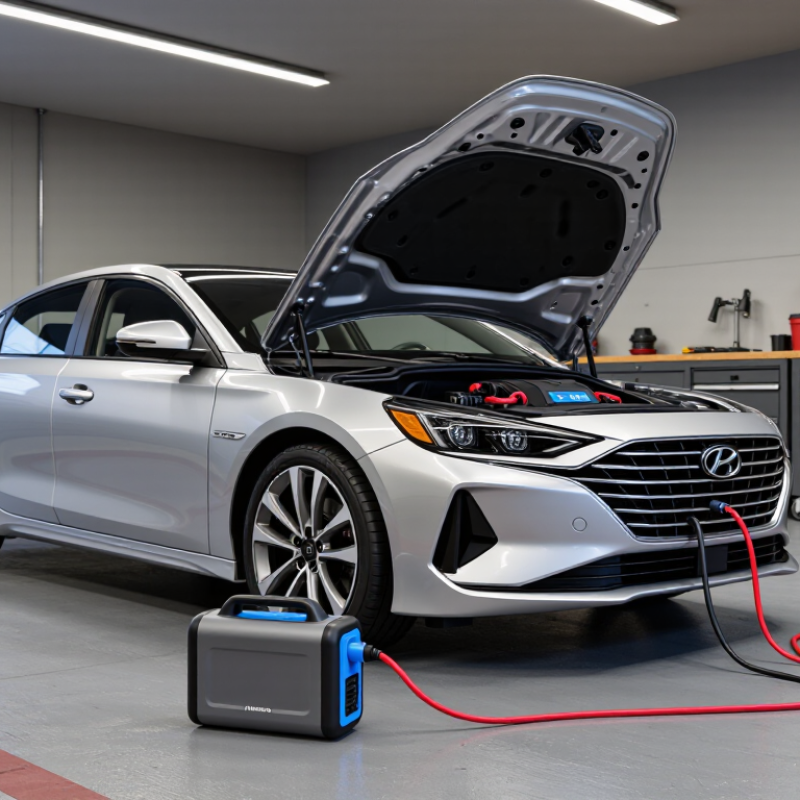
Check the battery’s voltage and chemistry before connecting anything. A charger intended for a standard lead-acid battery may not suit every battery type. Park in a dry, ventilated area, switch the vehicle off, and connect the clamps to the correct terminals. Keep cables clear of moving parts. Watch for warmth, swelling, or unusual smells. Stop charging if you notice them.

A loose clamp or damaged cable can also interrupt charging, even when the charger appears to be working. For long storage, inspect the battery occasionally; a charger is helpful, but it is not a substitute for checking the vehicle. The details are easy to overlook.
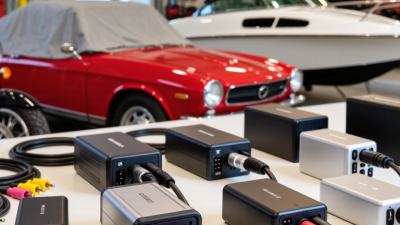
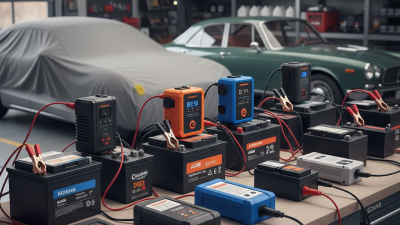
Types of Trickle Chargers for Different Vehicles

Types of Trickle Chargers for Different Vehicles

A trickle charger supplies a small current to maintain a battery, but the right type depends on the vehicle and battery chemistry. Small motorcycles and scooters often need a low-output maintainer; excess current can be unsuitable for their compact batteries. Check the battery manual for its voltage and recommended charging rate. Small batteries need care.

For cars stored through winter, an automatic float maintainer can monitor charge and reduce or stop output when the battery is full. This is generally more practical than an old-style constant-current charger, which may overcharge a battery if left connected. Look for settings that match flooded lead-acid, AGM, or other battery types. A charger designed for lead-acid batteries should not be assumed safe for lithium batteries. Check the label.

Boats, lawn tractors, and classic cars may sit unused for weeks, but their needs differ. A solar maintainer can help where an outlet is unavailable, though shade and short winter days can limit its output. For any vehicle, inspect cables, follow the charger’s connection instructions, and use a dry, ventilated area. A maintainer can preserve a healthy battery; it cannot fix a failing one. It’s easy to overlook that distinction.

Best Trickle Charger for Cars in 2026? Match the Charger to the Vehicle

Typical capacity ranges for common 12-volt vehicle batteries

Battery capacity varies by model and battery type. Use the battery label or manual when choosing a maintainer, and confirm that it supports the battery’s chemistry and voltage. RV and marine house batteries may require a charger designed for deep-cycle use.

Key Features to Compare in a 2026 Charger

When comparing a 2026 car charger, start with battery compatibility, not the vehicle’s age. Check whether it supports your battery chemistry, such as flooded lead-acid, AGM, or lithium. These types need different charging profiles. A charger that suits one may not be suitable for another. Check the manual. Confirm the charger matches your battery’s voltage, usually 12 volts for a typical passenger car. A selectable current range can help with different battery sizes, while automatic maintenance mode can reduce the risk of overcharging during storage. Small details matter.

Look for clear status indicators, reverse-polarity protection, and temperature-aware charging if your car faces hot summers or cold winters. A maintenance charger is not a jump starter, so check its intended use before buying. Cable reach is easy to underestimate: measure the distance from your parking spot’s outlet to the battery, allowing room to route the leads safely. Also compare the enclosure’s weather rating if the charger will live in a garage or exposed area. Not every setup fits. I’d give more weight to a readable manual and clear fault warnings than to a long list of modes; confusing settings can make a simple job harder.

How to Choose a Charger for Your Car Battery

Best Trickle Charger for Car in 2026?

How to Choose a Charger for Your Car Battery

Choose a charger that matches your battery, not just your budget. Most passenger cars use a 12-volt battery, but the chemistry may be flooded lead-acid, AGM, or lithium. Check the label and your vehicle manual before buying. A charger with the wrong setting can undercharge a battery or damage it. Small detail, big difference.

Battery capacity and how you’ll use the charger matter too. A low-current model is often suitable for maintaining a parked car, while a larger output can recharge a depleted battery faster. Look for automatic monitoring and a maintenance mode designed for long-term connection. “Trickle” does not always mean safe to leave connected indefinitely. I’d still verify the instructions; charger labels can be less clear than they should be. Also check that the clamps fit securely and that the cable reaches your parking spot.

Tips: Charge in a dry, well-ventilated area. Connect positive to positive and negative to the recommended ground point, following the manual. Avoid charging a frozen or visibly damaged battery. If the car sits outside in winter, confirm the charger is rated for low temperatures. A quick check beats a costly guess.

Safe Charging, Storage, and Battery Care

Best Trickle Charger for Car in 2026?

A trickle charger can help maintain a car battery during long storage, but safe charging starts with choosing the right unit. Check that it matches your battery’s chemistry and voltage. A smart maintainer can reduce or stop charging when the battery is full. That matters in a chilly garage, where a car may sit for weeks. Keep the charger dry, place it on a stable surface, and inspect its cables for cuts or loose connections.

Follow the charger and vehicle manuals for connection and storage instructions. Keep sparks and open flames away from the battery, and work in a ventilated area. Don’t charge a swollen, leaking, or frozen battery; seek qualified help instead. Small details matter. It is easy to assume a charger can stay connected without attention, but periodic checks are still sensible. Look for warning lights, unusual heat, or a sharp smell, and stop if anything seems wrong.

Tips: Before connecting, switch the charger off and confirm the clamps match the battery terminals. Keep cables clear of moving parts. For storage, check the battery every few weeks, especially during temperature swings. Not every setup is ideal; when unsure, consult a qualified technician.

Stay in touch with the latest National Luna Products and News!