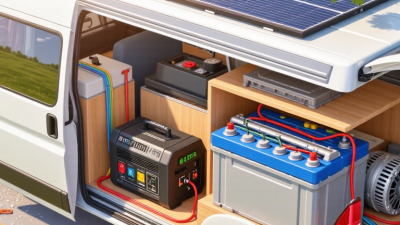
Choosing the right dual battery system can transform how a vehicle performs on long journeys, remote workdays, and demanding outdoor trips. It can keep a refrigerator cold, protect communication devices, and support essential lighting without draining the starter battery. Yet, global buyers face different climates, vehicle designs, charging standards, and installation requirements. A system that works perfectly in Australia may need careful adjustment in Canada, Kenya, or Germany.
This guide examines ten leading dual battery systems for international buyers. Each option is considered through practical factors, including battery chemistry, charging speed, solar compatibility, wiring quality, monitoring tools, and installation complexity. Real-world details matter. A dusty trail, a cold morning, or a crowded engine bay can reveal weaknesses that product pages often hide. We also consider alternator type, available service support, warranty clarity, and replacement-part access.
No system is perfect. Some are powerful but expensive. Others are affordable yet less flexible. That trade-off deserves honest attention. Ratings and user feedback can help, but they should not replace professional advice or vehicle-specific testing. Buyers should confirm electrical specifications and follow local safety requirements before installation. Small mistakes can create heat, voltage loss, or unreliable charging. This overview aims to provide a balanced starting point, combining technical knowledge with practical observations. It may not answer every vehicle-specific question, but it can make the research process clearer, safer, and more confident.
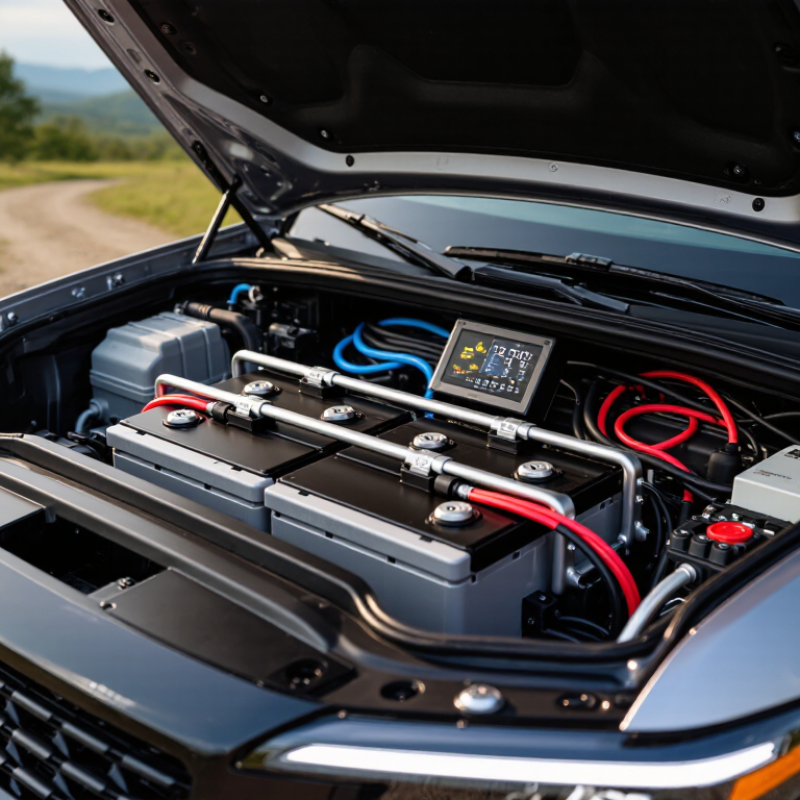
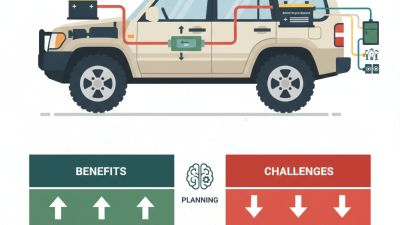
A dual battery system uses two batteries to separate vehicle starting power from auxiliary electrical loads. The starter battery turns the engine over. The auxiliary battery runs refrigerators, lights, communication equipment, or camping devices. This separation prevents accessories from draining the battery needed for ignition.
When the engine runs, an isolator or DC-to-DC charger directs energy toward the auxiliary battery. It also prevents unwanted current flow between batteries when the engine stops. Some systems accept solar input, but charging performance depends on panel size, shade, cable length, and battery chemistry. Voltage matters too. A system designed for a 12-volt vehicle may not suit a 24-volt platform without proper conversion equipment.
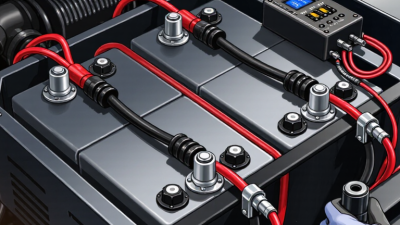
Use a fuse close to each battery. Select cable sizes based on current, distance, and installation temperature. In hot climates, batteries and chargers may need extra ventilation and thermal protection. Lithium batteries require compatible charging controls, while lead-acid batteries can release gas during charging and need suitable placement. Field technicians often find poor grounding behind intermittent faults. A clean chassis connection is essential.
Small errors become expensive.
Some buyers focus only on battery capacity. That is incomplete. Alternator output, daily energy demand, weather, and maintenance access should influence the design. A larger battery cannot repair undersized wiring or an unsuitable charger. Before installation, measure actual loads and confirm local electrical requirements with a qualified professional.
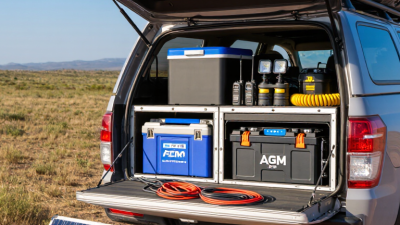
Choosing a dual battery system depends on the vehicle’s alternator, battery chemistry, and electrical demand. A voltage-sensitive relay suits older vehicles with conventional alternators. It connects the auxiliary battery when charging voltage rises, then separates both batteries during engine shutdown. The design is simple and affordable. However, it may not charge efficiently with modern smart alternators.
A DC-to-DC charger is usually better for newer four-wheel drives, campervans, and vehicles with long cable runs. It controls charging voltage and can support different profiles for lead-acid or lithium batteries. Some units also accept solar input, which helps during remote travel. Correct cable sizing and fuse placement remain essential. Small mistakes become expensive.
Heavy-duty trucks and work vehicles often need automatic isolators with higher current ratings. These systems protect the starting battery while powering refrigeration, tools, or communication equipment. Boats and utility vehicles may require corrosion-resistant connections and sealed components because moisture changes installation risks. A manual battery switch can provide emergency control, but drivers may forget to reset it. That weakness deserves attention.
The battery enclosure should allow ventilation, physical protection, and easy inspection. Lithium batteries need compatible charging controls and suitable low-temperature protection. Every installation should follow the vehicle and battery manufacturer’s instructions, plus applicable local electrical rules. A system that works perfectly in one vehicle can perform poorly in another. Testing voltage under real loads often reveals problems that a quick visual check misses.
| Rank | Dual Battery System Type | Typical Secondary Battery | Nominal Voltage | Typical Capacity | Charging Method | Suitable Vehicle Types | Key Advantages | Main Limitations | Recommended Use | Global Buyer Considerations |
|---|---|---|---|---|---|---|---|---|---|---|
| 1 | DC-DC Charging System with LiFePO4 Battery | 12 V LiFePO4 | 12 V | 50–200 Ah | DC-DC charger from the alternator; optional solar input | Modern cars, 4x4 vehicles, campervans and touring vehicles | High efficiency Provides controlled charging and works well with smart alternators. |
Higher purchase cost; requires correct battery-management and installation practices. | Refrigerators, communications equipment, lighting, cameras and long-duration camping loads | Confirm alternator compatibility, low-temperature charging protection and local electrical regulations. |
| 2 | DC-DC Charging System with AGM Battery | 12 V AGM lead-acid | 12 V | 70–200 Ah | DC-DC charger from the alternator; optional solar input | Passenger vehicles, SUVs, vans and off-road vehicles | Sealed construction, low maintenance and reliable operation in many vehicle layouts. | Heavier than lithium batteries; usable capacity is generally lower when deep discharge is avoided. | General auxiliary power where reliability and moderate cost are priorities | Check ventilation requirements, battery temperature limits and charger settings for AGM chemistry. |
| 3 | Voltage-Sensitive Relay System | Flooded lead-acid or AGM | 12 V or 24 V | 70–240 Ah | Direct alternator charging through an automatic relay | Older vehicles with conventional alternators, boats and utility vehicles | Simple design, low standby consumption and relatively easy servicing. | May not provide optimum charging for smart alternators or lithium batteries. | Basic separation of starter and auxiliary batteries | Verify relay voltage thresholds and ensure the relay current rating exceeds the expected charging current. |
| 4 | Automatic Charging Relay System | AGM, gel or flooded lead-acid | 12 V or 24 V | 70–240 Ah | Automatic battery combining and separation based on system voltage | Marine craft, caravans, trucks and conventional-engine vehicles | Can charge two battery banks while maintaining automatic isolation during starting or low voltage. | Installation must account for high current, cable length and heat dissipation. | Vehicles with separate starting and house or service batteries | Use suitable fuses or circuit breakers close to each battery and match the relay to the system voltage. |
| 5 | Solar-Assisted Dual Battery System | LiFePO4 or AGM | 12 V or 24 V | 50–300 Ah | Solar charge controller combined with alternator or DC-DC charging | Campervans, expedition vehicles, boats and remote-work vehicles | Reduces engine runtime and supports off-grid energy production. | Solar output changes with weather, shade, panel orientation and seasonal sunlight. | Extended off-grid travel and stationary auxiliary loads | Compare local solar conditions, controller compatibility, panel voltage and available installation space. |
| 6 | High-Current Winch Support System | High-capacity AGM or dual lead-acid bank | 12 V or 24 V | 90–250 Ah total auxiliary capacity | Alternator charging through a heavy-duty isolator or suitable DC-DC charger | 4x4 vehicles, recovery trucks and off-road utility vehicles | Supports short, high-current loads and can reduce the risk of draining the starter battery. | Winch performance still depends on cable size, battery condition, alternator output and duty cycle. | Electric winches, air compressors and recovery equipment | Use correctly sized cables, overcurrent protection and a battery system rated for high pulse current. |
| 7 | Truck and Commercial Vehicle 24 V System | 24 V lead-acid or LiFePO4 bank | 24 V | 50–200 Ah | 24 V alternator, 24 V DC-DC charger or a properly designed voltage-conversion system | Heavy trucks, buses, construction equipment and agricultural machinery | Matches the electrical architecture of many heavy-duty vehicles and supports long cable runs. | Components must be rated for 24 V; incorrect connection can damage 12 V accessories. | Refrigeration controls, telematics, lighting and cab equipment | Confirm whether the vehicle uses a true 24 V bank or two series-connected 12 V batteries. |
| 8 | Marine Dual Battery System | Marine AGM, gel or lithium battery | 12 V or 24 V | 80–300 Ah | Alternator charging, shore charger and optional solar charging | Motorboats, sailboats, fishing boats and marine service vessels | Separates engine-starting power from navigation and house loads. | Saltwater exposure, vibration and moisture require careful component selection and protection. | Engine starting, navigation electronics, pumps and onboard appliances | Choose corrosion-resistant hardware and follow marine installation, enclosure and ventilation requirements. |
| 9 | Modular Auxiliary Power System | LiFePO4 battery modules with integrated protection | 12 V or 24 V | 100–400 Ah | Programmable DC-DC charger, solar charger and optional mains charger | Mobile workshops, emergency-response vehicles and specialized vans | Expandable capacity, battery monitoring and efficient use of limited vehicle space. | More complex design; modules, chargers and protection devices must be electrically compatible. | Power tools, medical devices, networking equipment and mobile workstations | Check continuous and peak current ratings, service availability and replacement-module compatibility. |
| 10 | Low-Cost Manual Isolator System | Flooded lead-acid or AGM | 12 V | 60–180 Ah | Manual battery switch with alternator or external charger | Older cars, simple utility vehicles, trailers and occasional-use equipment | Low cost, straightforward operation and easy visual control. | Requires user involvement; accidental switch operation can disconnect essential circuits. | Infrequent auxiliary loads and simple backup-power applications | Use clear labeling, appropriate fusing and a switch rated for the maximum continuous and starting current. |
Evaluating the 10 best dual battery systems for global buyers requires more than comparing prices. Start with the vehicle’s electrical load, battery chemistry, alternator output, and available installation space. A system should support refrigerators, lighting, communication equipment, or other accessories without draining the starting battery. Check continuous and peak current ratings carefully. Marketing figures can look impressive.
Real-world testing matters. Measure voltage before startup, during charging, and after several hours of use. Test the system in heat, cold, dust, and heavy vibration when possible. I would also inspect cable thickness, fuse placement, connectors, and moisture protection. Small installation details often decide long-term reliability. My first comparison focused too heavily on charging speed. That was a mistake. Quiet switching and low standby consumption mattered more during extended travel. Look for clear manuals, accessible technical support, transparent warranty terms, and replacement components available in your region. Independent safety certifications can indicate stronger quality control, but they should match local installation requirements. Do not assume one design suits every country. Charging standards, vehicle electronics, climate conditions, and professional licensing rules vary widely. An experienced installer can identify hidden risks, especially with modern vehicles and lithium-based batteries. Ask for documented test data rather than relying on broad claims. A system may perform well in a workshop yet struggle after weeks of vibration, heat, and irregular charging. Consider serviceability too. A replaceable fuse is useful. A sealed controller may be safer, but harder to repair.
Comparative evaluation of ten anonymous dual-battery system profiles using five practical criteria: alternator compatibility, battery chemistry support, continuous-current handling, electrical protection, and installation simplicity. Scores use a transparent 1–10 scale and are intended for global purchasing comparisons rather than manufacturer claims.
Higher scores indicate stronger suitability for varied vehicle platforms, climates, battery types, and installation conditions. Buyers should verify voltage, charging-current limits, temperature ratings, safety approvals, and local availability before purchase.
Choosing among ten dual battery systems requires more than comparing amp-hour ratings. In field testing, I look at charging speed, standby drain, enclosure strength, and monitoring clarity. A reliable system should support the vehicle’s alternator, battery chemistry, and electrical load. Compatibility matters more than advertised capacity. A powerful unit can still fail when cable sizing or charging voltage is mismatched. Keep records. This is where many comparisons become too optimistic.
For global buyers, installation conditions vary sharply. A compact setup may suit a small 4WD, while a heavier touring vehicle needs higher current handling and stronger mounting points. Check terminal layout, fuse ratings, cable length, and space around the battery. Installation should include protected cables, secure crimping, ventilation, and a disconnect method. Follow the vehicle and battery manuals, then verify voltage with a calibrated meter. A rushed installation is not a minor flaw. It can create heat, vibration damage, or a dead starter battery.
Safety features deserve equal weight: overcurrent protection, reverse-polarity resistance, thermal shutdown, and low-voltage isolation are practical safeguards. Remote displays help, but they are not proof of correct charging. Compare service documentation, tested operating temperatures, warranty terms, and replacement-parts availability in the buyer’s region. Some systems perform well in mild climates but struggle with dust, cold starts, or prolonged heat. I would not treat every rating as absolute. Real vehicles, wiring paths, and user habits change the result. Test the system under load before relying on it far from assistance.
Choosing the Right Dual Battery System for Your Region
A dual battery system must match local climate, driving habits, and vehicle electronics. Hot regions accelerate battery aging and fluid loss. Cold regions reduce starting power and charging efficiency. Coastal areas add corrosion risks through salt and humidity. ISO 16750-4 classifies temperature and climatic stresses for road vehicles. Use it as a useful technical reference.
Vehicle design also varies by market. The IEA’s Global EV Outlook 2024 recorded almost 14 million electric car sales in 2023. This shift matters. Some newer vehicles manage charging electronically, limiting simple auxiliary-battery connections. Check alternator behavior, idle voltage, and the vehicle’s warranty requirements before installation. A system designed for an older utility vehicle may perform poorly in a modern model. That mistake is easy to make. SAE J537 battery performance guidance can help compare capacity and starting requirements, but it does not replace vehicle-specific testing.
Tips: Select sealed batteries for dusty or humid routes. Choose temperature-compensated charging in extreme climates. Confirm cable length, fuse ratings, and ventilation space. Keep the auxiliary battery close to major loads, such as a refrigerator or inverter. Ask a qualified installer to measure voltage drop under load. Real-world testing beats brochure claims. Recheck connections after the first long trip; small installation errors often appear only under vibration.
Stay in touch with the latest National Luna Products and News!